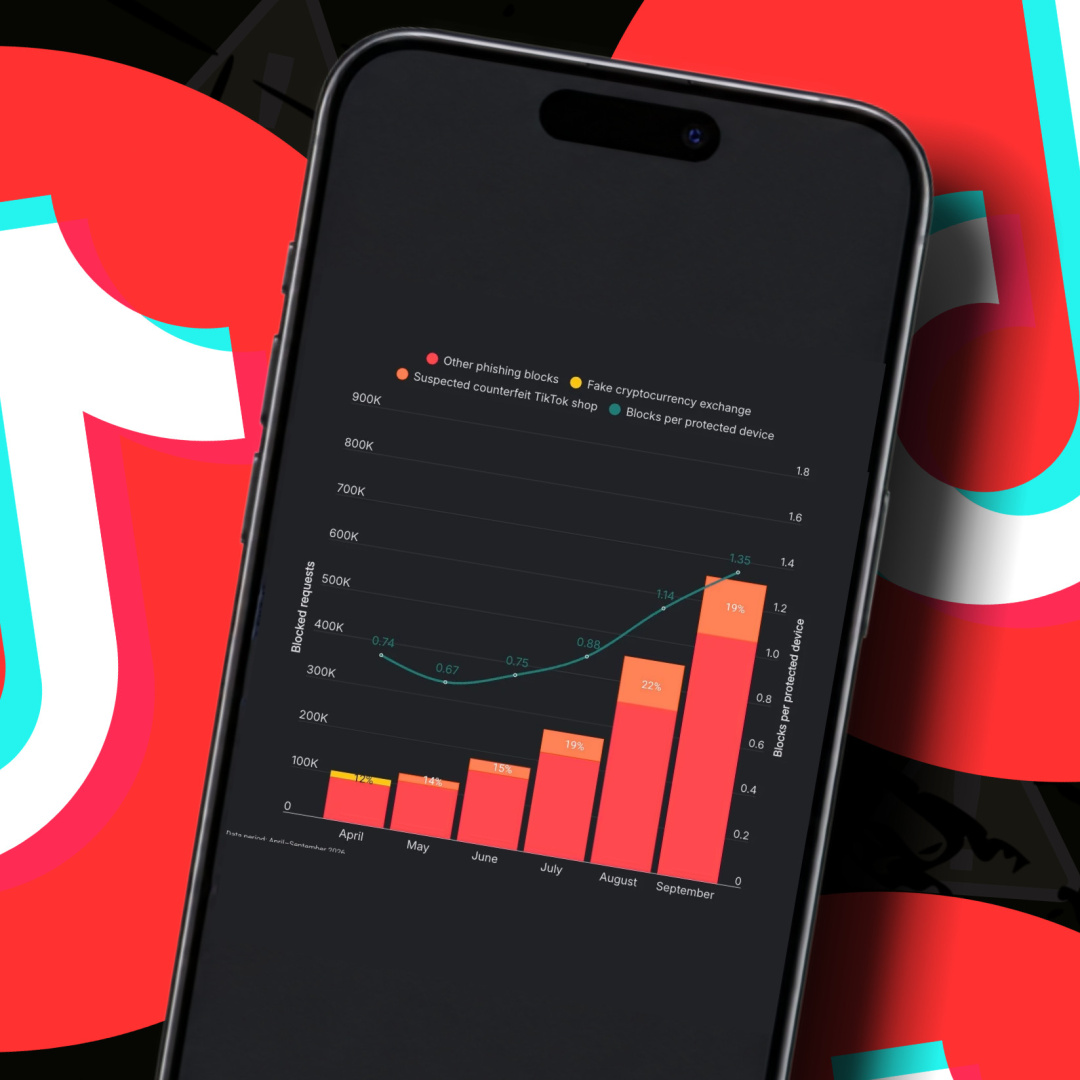
Ransomware Threats Surge as Cybercriminals Target South Africans
South Africans are being urged to remain vigilant online as cybercriminals exploit various tactics, including phishing scams, identity theft, and deepfake technology. This warning comes in light of South Africa's status as a major cybercrime hotspot on the continent, with the country accounting for 92% of ransomware detections in Africa, according to Interpol's 2026 African Cyberthreat Assessment Report.
Ransomware attacks often begin long before the ransom demands are made. Hackers typically gain access through stolen passwords, infostealer malware, or unpatched devices such as routers and VPNs. Cybersecurity firm Fortinet has reported a significant increase in infostealer malware, which quietly harvests saved passwords, login sessions, and other sensitive information from infected devices.
Explore on Amazon
Amazon shopping links. As an Amazon Associate I earn from qualifying purchases.
In 2025, South Africa accounted for 43.6% of exploitable vulnerabilities detected across Africa, with criminals increasingly exploiting software flaws within 24 to 48 hours of their disclosure. The Department of Communications and Digital Technologies (DCDT) and the Film and Publication Board (FPB) have emphasized that the growing threat of cybercrime requires constant vigilance from internet users. They stress that online safety cannot be confined to a single month-long awareness campaign.
The DCDT stated, "Online threats such as phishing, identity theft, fraudulent links, deepfake incidents, and unauthorized access to personal information continue to highlight the importance of digital vigilance." They further emphasized that cybersecurity is a shared responsibility, requiring active participation from everyone who accesses and uses digital platforms.
Seemingly harmless actions, such as clicking on suspicious links, sharing one-time passwords (OTPs), or reusing weak passwords across multiple accounts, can expose users to fraud and financial loss. The DCDT encourages South Africans to adopt strong passwords, activate two-factor authentication, verify messages before responding, and keep their devices and software up to date.
Human Error as a Cybersecurity Vulnerability
Experts warn that cybercriminals often exploit human error rather than technical weaknesses, making awareness one of the most effective forms of protection. Individuals and businesses are urged to enable multi-factor authentication, avoid saving work credentials on shared devices, and prioritize software updates to mitigate the risk of cyberattacks.
Building a safe digital environment requires participation from individuals, families, businesses, schools, and institutions. The DCDT wants South Africans to recognize their power to make life more difficult for cybercriminals. Simple actions, such as not sharing OTPs, using strong passwords, verifying information before sending money, or thinking twice before clicking a link, can prevent serious financial and personal harm.
As South Africa advances its digital transformation agenda, the DCDT emphasizes that continued public education and responsible online behavior will be critical in protecting personal information and strengthening the country’s cybersecurity resilience.
The Part Nobody Mentioned
As Cybersecurity Awareness Month concludes, the message is clear: cybersecurity is everyone’s responsibility, every day. Let us turn awareness into action and work together towards a safer and more secure digital South Africa.
South Africa’s dominance in Africa’s ransomware statistics underscores the growing sophistication of cybercriminals targeting individuals, businesses, and institutions. Experts warn that ransomware attacks frequently start with stolen passwords, compromised login credentials, and vulnerable internet-facing devices, allowing criminals to infiltrate systems long before victims realize they have been breached. Fortinet has noted a significant rise in infostealer malware, which stealthily captures passwords, banking details, and other sensitive information from infected devices. With attackers now exploiting newly disclosed vulnerabilities within days, cybersecurity experts reiterate that strong passwords, multi-factor authentication, and regular software updates remain among the most effective defenses against online threats.