California Real Estate Agent Linked to CCP and Sinaloa Cartel Operations
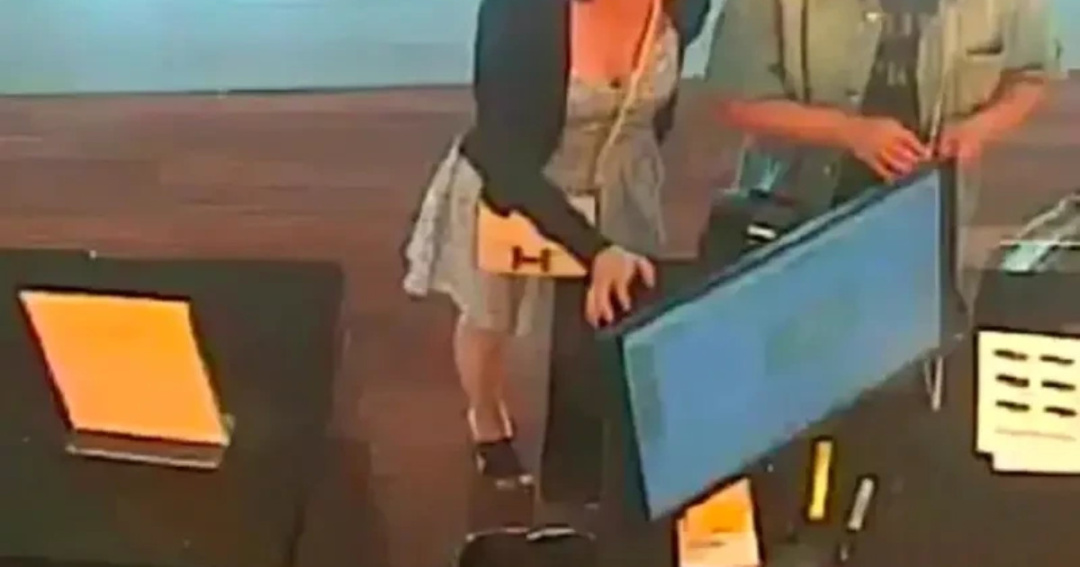
Wanying "Heather" Zhang, a 34-year-old California real estate agent, was arrested on October 4, 2026, at Los Angeles International Airport as she prepared to board a flight to Shanghai. Accused of spying for the Chinese Communist Party (CCP), Zhang is linked through her romantic partner to a house identified by the Drug Enforcement Administration (DEA) as a stash house for a money-laundering network associated with the Sinaloa Cartel. A federal grand jury indicted her on charges of conspiracy and acting as an unregistered agent of the People’s Republic of China, with her trial scheduled for November 30 in federal court in Santa Ana.
Investigators allege that Zhang received instructions during a meeting with a Chinese government contact in June 2025. In September of that year, she and an associate, referred to in court documents as "Individual 1," traveled from Las Vegas to Seattle, where they surveilled the home of Ting-Yu Lai, son of Taiwanese President Lai Ching-te. Zhang reportedly communicated details about Lai, including license plate numbers, to her contact, prompting Taiwan’s Presidential Office to condemn the act as transnational repression.
Explore on Amazon
Amazon shopping links. As an Amazon Associate I earn from qualifying purchases.
The FBI's investigation into Zhang reveals her connections to an unregistered cryptocurrency exchange, through which she allegedly coordinated unlicensed money transfers from China to the U.S. Prosecutors noted that she sent at least $190,000 to Chinese bank accounts in 2024 and 2025, raising suspicions about her financial activities. During her detention hearing, Assistant U.S. Attorney Amanda Elbogen argued that Zhang should remain in custody without bail.
Zhang's partner, Fatai Miao, a Chinese-born construction entrepreneur, has not been charged with any crime but has connections to a stash house linked to a Chinese money-laundering operation working with the Sinaloa Cartel. The DEA has been monitoring the property, where a member of the group was observed delivering a weighted tote bag believed to contain drug proceeds. Miao's business, Yuanjin Development & Construction LLC, is registered at a property valued at $4.5 million in Irvine, California.
The broader implications of Zhang’s case extend beyond her personal actions. It reflects ongoing concerns regarding Chinese espionage activities in the U.S., particularly in Southern California, where several individuals have been prosecuted for similar charges. In February 2026, another individual, Yaoning "Mike" Sun, was sentenced for acting as an illegal agent of China, and former Arcadia Mayor Eileen Wang was charged with similar offenses.
Connections Between Crime and Espionage
Zhang’s arrest also highlights the intersection of organized crime and state-sponsored espionage, as evidenced by her connections to Miao and the Sinaloa Cartel. The cartel has been implicated in extensive money laundering operations, with over $50 million in drug proceeds allegedly flowing between cartel associates and Chinese underground money exchanges. As investigations continue, the extent of Zhang's involvement in these activities and her connections to broader criminal networks remain key questions.
The investigation into Zhang is part of a larger pattern of alleged Chinese government interference and organized crime activities in the U.S. The Prince Group, an organization linked to a Cambodian scam empire, has been identified in a Justice Department indictment that charges its chairman, Chen Zhi, with wire fraud conspiracy and money laundering. The indictment alleges that the group utilized corrupt and violent means to maintain dominance among scam operators, with ties to Chinese officials complicating the situation further.
Behind Closed Doors
Zhang's case illustrates the complex web of relationships between individuals, criminal organizations, and state actors. While she has not been directly connected to the Prince Group or the Sinaloa Cartel in formal charges, the overlapping networks raise significant concerns about the potential for espionage and illicit financial activities.
As the legal proceedings unfold, the implications of Zhang's actions and the broader context of Chinese espionage in the U.S. will likely continue to attract scrutiny. The intertwining of organized crime with state-sponsored activities poses serious challenges for law enforcement and national security, making it a critical issue for both the U.S. and its allies in the region.