India's Culture Ministry to Establish Visual Library for Stolen Artefacts
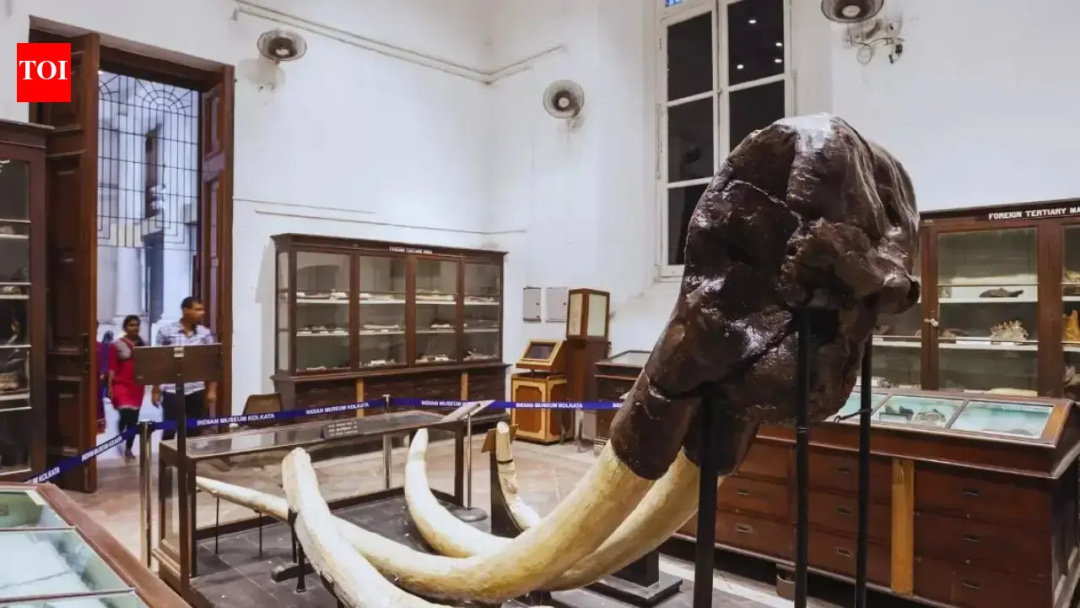
The Indian Ministry of Culture has announced plans to create a visual library dedicated to antiquities and artefacts that have been stolen from the country. This initiative aims to leverage artificial intelligence (AI) technology to track these items globally, conduct preliminary verification of photographic evidence, and seek their repatriation.
Under this new provenance mission, the ministry intends to compile a comprehensive database of stolen objects, drawing from information available across various states where First Information Reports (FIRs) have been filed by law enforcement agencies concerning the smuggling of antiquities. Culture Secretary Vivek Aggarwal emphasized the importance of this project, stating that it will help trace an artefact's ownership and collection history back to its origin.
Explore on Amazon
Amazon shopping links. As an Amazon Associate I earn from qualifying purchases.
Aggarwal explained that the use of AI will significantly expedite the verification process. When a stolen artefact is spotted, the AI will compare its dimensions and unique indentations with those of the original item. This comparison will allow officials to determine whether the object in question is indeed the same as the one reported stolen. The ministry plans to match images in the database with information from museums, auctions, and exhibitions worldwide, enhancing the chances of recovering stolen items.
Expanding Access to Cultural Resources
In addition to the visual library, the ministry recently launched an AI-based search and knowledge discovery engine on its primary website. This tool enables users to access a wide range of information related to various cultural institutions and repositories, drawing from over 65 digital platforms. Visitors can type questions in any of the 22 scheduled languages, making cultural information more accessible to the public.
The Cover Story
The establishment of this visual library and the incorporation of AI technology represent a significant step forward in the fight against antiquities trafficking. By creating a centralized database, the Indian government aims to improve collaboration with international agencies and institutions, thereby increasing the likelihood of repatriating stolen artefacts.
As the project unfolds, it raises important questions about the effectiveness of such initiatives in curbing the illicit trade of cultural heritage. Will this new approach lead to a noticeable decrease in stolen artefacts, or will it merely serve as a digital archive without tangible results? The success of this mission will depend on the commitment of both national and international stakeholders to protect and preserve cultural heritage.