Coinbase Thwarts $4.7 Million Deepfake Scam Featuring Elon Musk
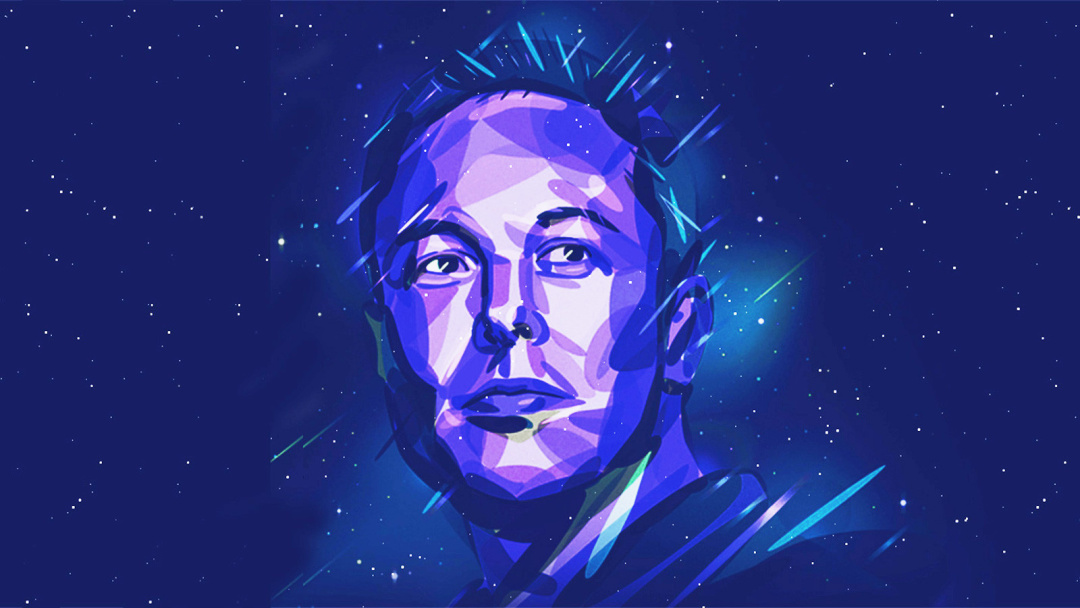
Coinbase has reported that it thwarted a significant scam by blocking $4.7 million in cryptocurrency transfers aimed at scammers who promoted a fake giveaway using an AI-generated deepfake of Elon Musk. This fraudulent scheme unfolded during a Tesla livestream event that drew more than 500,000 viewers, where scammers created a deceptive YouTube livestream that appeared to broadcast the event.
The deepfake video featured an AI-generated image of Musk, along with cryptocurrency wallet addresses and a QR code, enticing viewers with the promise that any cryptocurrency sent would be doubled. According to Coinbase, hundreds of its customers attempted to transfer millions of dollars to the scammers over a span of two hours, including many who had been long-time users of the exchange.
Explore on Amazon
Amazon shopping links. As an Amazon Associate I earn from qualifying purchases.
Fortunately for these potential victims, Coinbase's AI-powered fraud prevention systems were able to detect the scam in real time, blocking approximately 91% of the attempted transfers, which totaled around $4.7 million. This incident highlights a growing trend in which scammers utilize deepfake technology to create convincing impersonations of public figures to lure victims into financial traps.
Unlike traditional cryptocurrency thefts that often involve compromised accounts or stolen credentials, the individuals in this case voluntarily initiated the transfers after being misled by the fraudulent livestream. "Most fraud defenses are built to spot activity the customer didn't authorize," Coinbase explained, emphasizing the challenge of detecting scams where the transactions are approved by legitimate account holders.
AI-Driven Fraud Detection Mechanisms
Coinbase elaborated that its fraud prevention system employs machine learning models to analyze outgoing cryptocurrency transfers in real time, identifying suspicious activities associated with giveaway scams, brand impersonation, and newly created wallet addresses. When a transfer is flagged as suspicious, an AI agent engages the customer in a brief conversation, explaining the characteristics of the suspected scam and asking questions to help them recognize the fraud.
Despite the AI agent's lack of prior exposure to this specific scam, it was able to recognize the underlying techniques commonly used in such schemes, including promises of multiplied cryptocurrency, time pressure linked to a live event, and the irreversible nature of cryptocurrency transfers. The entire detection and intervention process was executed automatically, without any human oversight, showcasing the capabilities of Coinbase's AI systems.
The Unraveling
BleepingComputer reached out to Coinbase for further details on how many transfers managed to reach the scammers and the total amount of cryptocurrency that was ultimately stolen, but no response has been received as of yet. The use of Elon Musk and his companies as bait for cryptocurrency scams is not new; fraudsters have previously hijacked verified Twitter accounts, sent out fake giveaway invitations via email, and flooded social media with misleading promotions.
To protect themselves from falling victim to such scams, users are advised to independently verify cryptocurrency promotions through official channels rather than relying on livestreams or QR codes presented in videos. As the landscape of digital deception evolves, the need for vigilance and robust fraud detection measures becomes increasingly crucial.