Florida and Texas Prepare for Concurrent Executions Amid Controversy
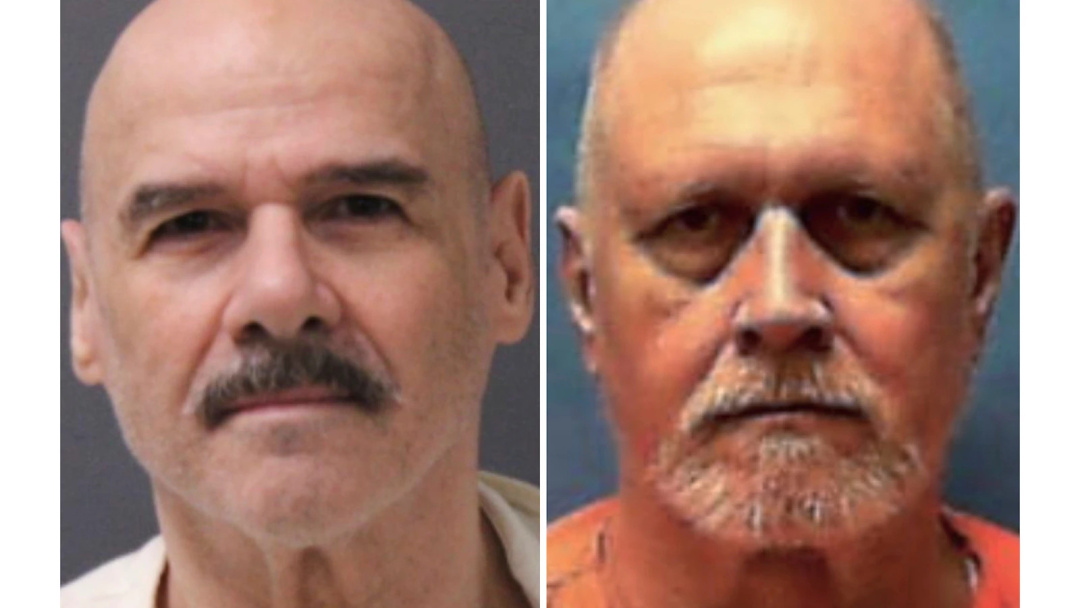
Florida is poised to execute Thomas Mitchell Overton, a man convicted of murdering a pregnant woman and her husband during a home invasion, marking the state's record-breaking 20th execution of the year. Concurrently, Texas is set to execute Reinaldo Dennes, who was convicted of killing a Houston jeweler during a $3.6 million diamond heist. Both executions are scheduled for Thursday evening, reflecting an aging death row population in the U.S.
Overton, 71, is scheduled to receive a lethal injection at 6 p.m. at Florida State Prison in Raiford, while Dennes, 70, is set to be executed an hour later in Texas. This day of executions highlights the aggressive use of the death penalty by outgoing Florida Governor Ron DeSantis, who has overseen more than half of the nation's executions this year.
Explore on Amazon
Amazon shopping links. As an Amazon Associate I earn from qualifying purchases.
Overton was convicted in 1999 for the 1991 murders of Michael and Susan MacIvor and their unborn child, a case that drew significant attention due to its brutality. The MacIvors were found dead in their home in Tavernier, Florida, with autopsies revealing that both had been strangled and that Susan was raped. Despite initial difficulties in matching DNA evidence, Overton was arrested in 1996 on unrelated charges, and a DNA sample matched that collected from the crime scene.
Dennes was convicted of capital murder in the 1996 death of Janos Szucs, a diamond dealer found shot multiple times in his office. Testimony during the trial indicated that Dennes had orchestrated the crime, including arranging for a cleaning woman to open the building's back door for him and his brother, who were implicated in the shooting. The diamonds and a significant amount of cash from Szucs's safe were never recovered.
The upcoming executions have reignited discussions about the death penalty in the U.S., particularly following Tennessee's recent failed execution of Christa Pike. DeSantis has stated his commitment to delivering justice to families who have waited decades for death sentences to be executed, a sentiment that resonates amid ongoing debates about the morality and effectiveness of capital punishment.
Pending Appeals and Broader Implications
As the execution dates approach, appeals in both cases remain pending, leaving the future uncertain for both Overton and Dennes. The implications of these cases extend beyond the individuals involved, raising questions about the justice system's handling of capital punishment and the broader societal impacts of such sentences.
The scheduled executions of Overton and Dennes come at a time when the death penalty is under increased scrutiny across the nation. Critics argue that the system is fraught with errors and biases, often disproportionately affecting marginalized communities. As states like Florida and Texas continue to carry out executions, the conversations surrounding the morality, legality, and efficacy of capital punishment are likely to intensify.
The Part Nobody Mentioned
In Florida, the execution of Overton would surpass the previous record of 19 executions in a single year, a statistic that underscores the state's aggressive stance on capital punishment. With two more executions planned in December, the state appears poised to further extend its record. Meanwhile, Texas's execution of Dennes will mark the ninth execution in that state this year, contributing to a growing national conversation about the future of the death penalty in America.
As these events unfold, the impact on the families of the victims and the convicted individuals will remain a poignant aspect of this ongoing narrative. The complexities of justice, retribution, and the potential for wrongful convictions continue to challenge the very foundations of capital punishment in the United States.