Study Reveals 47% of LGBTQ+ Teens Experience Online Blackmail
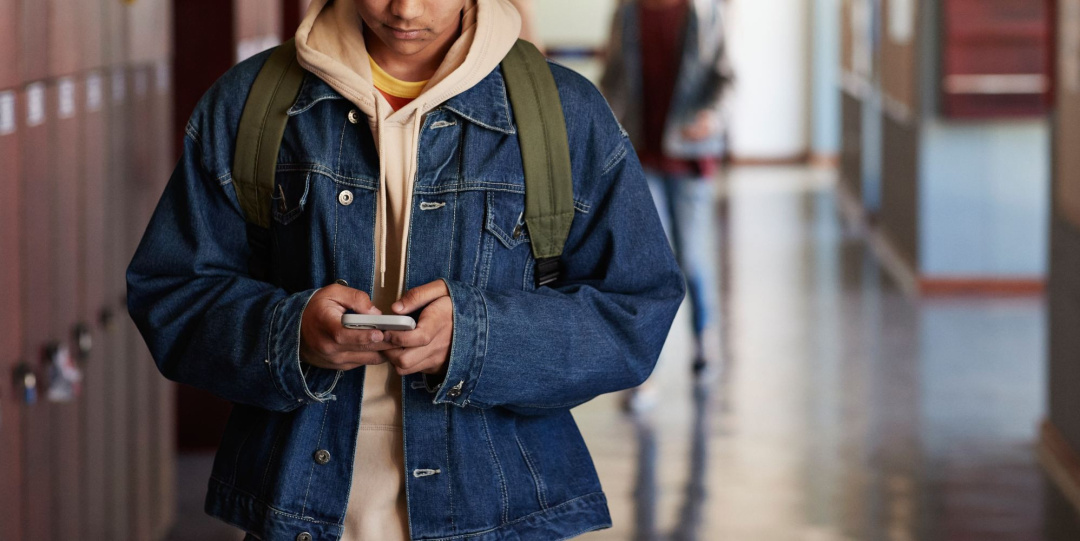
A new study has uncovered alarming statistics regarding online blackmail among LGBTQ+ youth in the UK. Conducted by the NSPCC, the University of Birmingham, and Nottingham Trent University, the research involved a survey of 438 LGBTQ+ individuals aged 13 to 19, revealing that 47% have been victims of online blackmail, with many cases centering on the threat of being outed.
The findings indicate that a significant portion of those surveyed—45%—reported that their sexuality, gender identity, or relationships were used against them as a form of coercion. Additionally, 39% faced threats involving the sharing of intimate photos, further exacerbating the emotional toll on these young individuals.
Explore on Amazon
Amazon shopping links. As an Amazon Associate I earn from qualifying purchases.
Snapchat emerged as the primary platform for these incidents, with 62% of respondents indicating they experienced blackmail there. Other platforms, such as WhatsApp and iMessage, followed closely behind at 45%, while Discord accounted for 24% of reported cases.
The emotional impact of this blackmail is profound. The study found that nearly half of the respondents—45%—experienced feelings of shame and anxiety regarding their identity. More than a third—37%—felt pressured to alter their true selves in response to the threats they faced. The long-lasting mental health effects are troubling, with 55% of participants reporting self-harm and 54% expressing thoughts of self-harm or suicide.
NSPCC's Call for Action on Online Safety
In light of these findings, the NSPCC is urging tech companies to take decisive action to combat online blackmail. They advocate for the removal of features that may endanger children and emphasize the need for enhanced support systems for reporting abuse. NSPCC CEO Chris Sherwood stressed that no young person should endure such coercion, particularly when it targets them for being who they are. He called for tech companies to prioritize children's safety and to incorporate the experiences of marginalized groups into their safety measures.
Sherwood warned that if tech companies fail to act, regulatory bodies like Ofcom must step in to ensure accountability. He noted that young people have voiced their needs clearly, and it is imperative for these companies to listen and respond accordingly.
What They Hid
In response to concerns about online safety, the NSPCC encourages young individuals to seek help through resources like Childline, where they can speak to trained counselors about their experiences. For those facing issues related to the sharing of intimate images, the Report Remove service offers confidential assistance in having such content taken down.
This study marks a significant step in understanding the vulnerabilities faced by LGBTQ+ youth in the digital age, highlighting the urgent need for protective measures and support systems to safeguard their well-being.