Concerns Rise Over Gold Hallmarking Amid Allegations of Adulteration
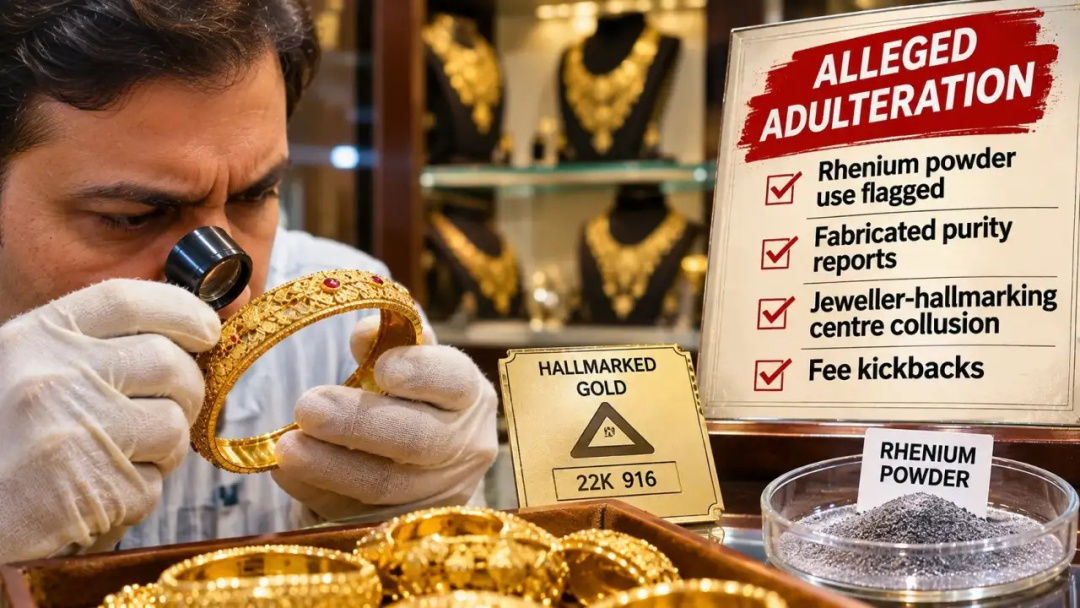
The credibility of India’s gold hallmarking system is under scrutiny as the India Bullion and Jewellers Association (IBJA) has raised serious allegations of widespread irregularities. The association claims that jewellers and hallmarking centres may be colluding to fabricate purity reports and that rhenium powder is being used to adulterate gold, potentially compromising the integrity of hallmarked gold products. This alarming situation has prompted the IBJA to submit a representation to the Bureau of Indian Standards (BIS), highlighting discrepancies in the Hallmark Unique Identification (HUID) data displayed on the BIS Care app and the operations of unregistered refiners.
Following the IBJA's representation, the BIS has scheduled a meeting on November 23 to discuss these pressing concerns in detail. The association's warnings indicate that inadequate regulatory monitoring could expose consumers to financial risks and erode public confidence in gold hallmarking. The IBJA is advocating for surprise inspections and stricter testing protocols to ensure compliance among hallmarking centres and refiners.
Explore on Amazon
Amazon shopping links. As an Amazon Associate I earn from qualifying purchases.
India's annual gold consumption is substantial, estimated at around 800-850 tonnes. However, the IBJA has expressed concern that nearly 4,000 unregistered gold refiners are operating without oversight, allowing impure gold to infiltrate the jewellery supply chain. Surendra Mehta, the national secretary of the IBJA, emphasized that many of these refiners are not registered with the BIS and operate outside regulatory scrutiny, often melting gold rather than refining it. This practice can lead to the circulation of impure gold disguised as legitimate products.
Calls for Stricter Gold Sourcing Regulations
The association has urged the BIS to enforce stricter regulations, allowing jewellers to source gold bars and coins only from accredited refiners. This measure aims to protect consumers from inadvertently purchasing adulterated gold. The IBJA has also advised consumers to be cautious and purchase gold only from accredited sources to mitigate the risk of acquiring substandard products.
The Real Play
The allegations of adulteration are particularly concerning given that rhenium powder, reportedly sourced from China, is being mixed with gold to increase the weight of jewellery. This form of adulteration could evade detection during standard hallmarking checks, raising questions about the adequacy of current testing procedures. The Gem & Jewellery Export Promotion Council (GJEPC) has also taken notice of these allegations and has reached out to the BIS for clarification on whether rhenium can be legally used in gold and what measures need to be taken to enhance testing methods.
Rhenium is a refractory metal with a melting point exceeding 3,100 degrees Celsius, making it resistant to melting or dissolving in gold at the temperatures typically employed in jewellery manufacturing. As the situation develops, the implications for consumers and the gold market remain significant, with the potential for widespread financial repercussions if the allegations are substantiated. The upcoming BIS meeting will be crucial in determining the future of gold hallmarking regulations in India.