Legal Consequences of Fake Social Media Profiles in India
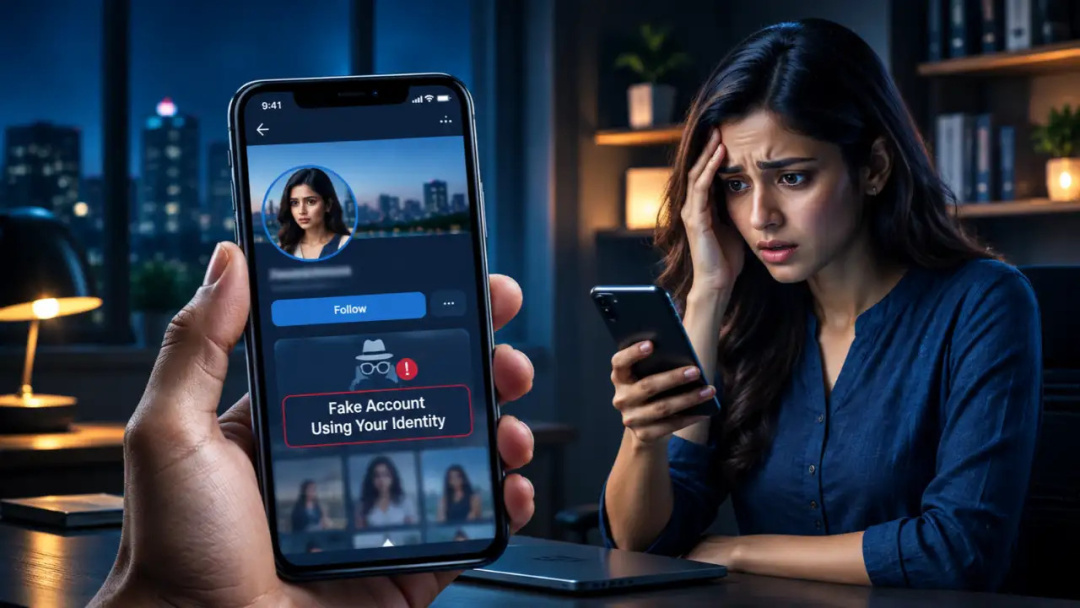
The issue of fake social media profiles raises significant legal questions in India. While the act of creating a profile using someone else's name is not inherently a crime, the intention behind it plays a crucial role. If the profile is created with the intent to deceive, stalk, or harass, it may fall under various criminal provisions. According to Ashima Chalia, a legal expert, creating a fan account or a parody account is not illegal unless it involves dishonest impersonation.
The Information Technology Act, 2000, specifically Sections 66C and 66D, addresses identity theft and cheating by impersonation. Additionally, Section 66E covers the non-consensual use of private images, while Sections 67 and 67A deal with obscene or sexually explicit content. The Bharatiya Nyaya Sanhita, 2023, also outlines relevant provisions for stalking and forgery, indicating that the legal landscape is complex and multifaceted.
Explore on Amazon
Amazon shopping links. As an Amazon Associate I earn from qualifying purchases.
Victims of such impersonation can take immediate steps to protect themselves. It is essential to preserve evidence, including screenshots of the fake profile, and report it through the social media platform's impersonation reporting option. They can also lodge a complaint with the National Cyber Crime Reporting Portal or file an FIR at their local cyber cell if necessary. In cases involving financial fraud, contacting the cybercrime helpline is crucial.
The legal obligations of social media platforms are also significant. Under the IT Rules, 2021, platforms are required to act on impersonation complaints promptly. If they fail to remove or disable access to the offending content within a stipulated time frame, they risk losing their safe-harbor protections under the law. Victims can escalate unresolved complaints to the Grievance Appellate Committee or seek court orders for further action.
Tracing the Operators Behind Fake Accounts
Can police trace the operators of fake accounts? Often, yes. Investigative agencies can access IP logs and registration details from platforms, although anonymity can complicate matters. Prompt reporting is vital, as digital records may only be retained for a limited time.
Victims facing ongoing impersonation issues or those suffering financial or reputational damage have several legal avenues. They can pursue criminal proceedings under the IT Act and seek civil remedies, including injunctions and damages. High courts can issue orders directing platforms to remove content and disclose the identity of the operator. If impersonation continues, seeking urgent interim relief from the courts is advisable.
The Path Forward for Victims
The legal framework surrounding fake social media profiles is evolving. While the intent behind creating such profiles is critical, the implications extend beyond mere impersonation. The legal landscape includes various statutes and provisions that address identity theft, privacy violations, and defamation. As technology and social media continue to advance, so too will the legal responses to these digital deceptions.
For victims of online impersonation, understanding their rights and the available legal remedies is essential. They must act swiftly to protect their identity and seek justice through the appropriate legal channels. The complexities of digital identity theft require a nuanced approach, balancing the rights of individuals against the evolving nature of online interactions. As legal frameworks adapt, victims must remain informed and proactive in safeguarding their digital identities.