Huawei Found Guilty of Trade Secret Theft and Financial Crimes
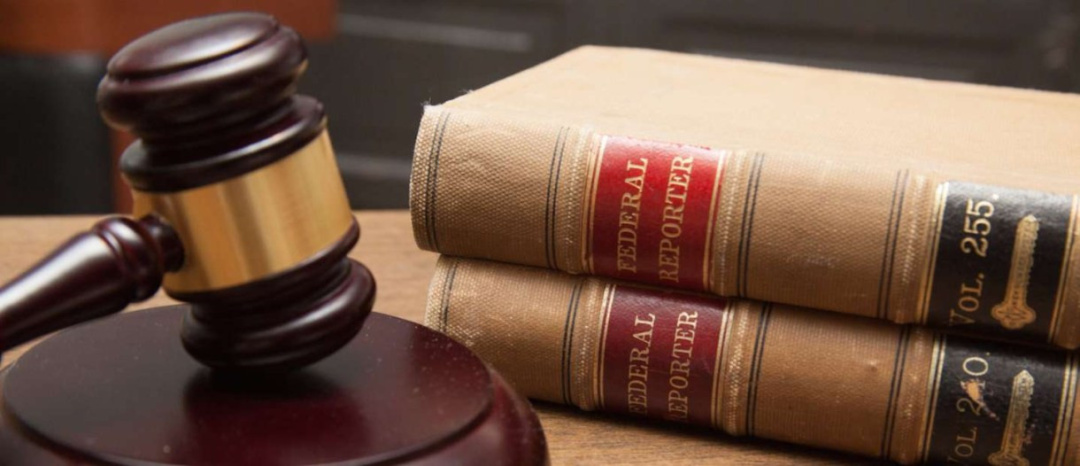
A US jury has delivered a significant verdict against Huawei, finding the company guilty on 10 out of 12 counts related to serious allegations of misconduct. The charges include conspiracy to steal trade secrets, wire fraud, bank fraud, violation of US economic sanctions, and money laundering. This ruling marks a pivotal moment for the Chinese tech giant, which has faced increasing scrutiny and legal challenges in recent years.
The trial, which spanned two months, saw US prosecutors alleging that Huawei engaged in a pattern of deceitful practices, including lying, cheating, and stealing to gain a competitive advantage. Prosecutors argued that these actions not only violated US laws but also posed a threat to national security. The evidence presented during the trial painted a picture of a company willing to engage in unethical behavior to secure its position in the global market.
Explore on Amazon
Amazon shopping links. As an Amazon Associate I earn from qualifying purchases.
In contrast, Huawei's defense team contended that the company's success is rooted in years of hard work and innovation. They argued that the prosecution's case was built on preconceived notions about Huawei as a criminal organization, rather than on factual evidence. The jury's decision to acquit Huawei of the most serious charge—racketeering under the RICO Act—was seen by the company as a partial vindication, suggesting that the jury did not fully accept the prosecution's narrative.
Sentencing for the convicted counts is scheduled for September 2-27, and Huawei has indicated its intention to appeal the verdict. The outcome of this case could have far-reaching implications for the company's operations and its standing in the international business community, particularly as it continues to navigate a landscape marked by geopolitical tensions and regulatory challenges.
Implications of the Verdict
The jury's findings not only highlight the legal challenges facing Huawei but also reflect broader concerns about corporate governance and compliance in the tech industry. As companies increasingly operate in a global environment, the need for transparency and ethical practices has never been more critical. The verdict serves as a reminder of the potential consequences of corporate misconduct and the importance of adhering to legal standards.
As Huawei prepares for its appeal, the tech giant must also contend with the reputational damage that accompanies such a high-profile legal battle. The case has drawn significant media attention, and public perception of Huawei may be impacted by the jury's findings. The outcome could influence future business dealings, partnerships, and the company's ability to operate in certain markets.
The Unraveling
Ultimately, the verdict against Huawei raises important questions about accountability in the corporate world. As the company moves forward, it will need to address not only the legal ramifications of the jury's decision but also the underlying issues that led to these serious allegations. The implications of this case extend beyond Huawei, serving as a cautionary tale for other corporations about the risks of unethical behavior and the importance of maintaining integrity in business practices.