Enhancing Online Security: Key Features of Password Managers
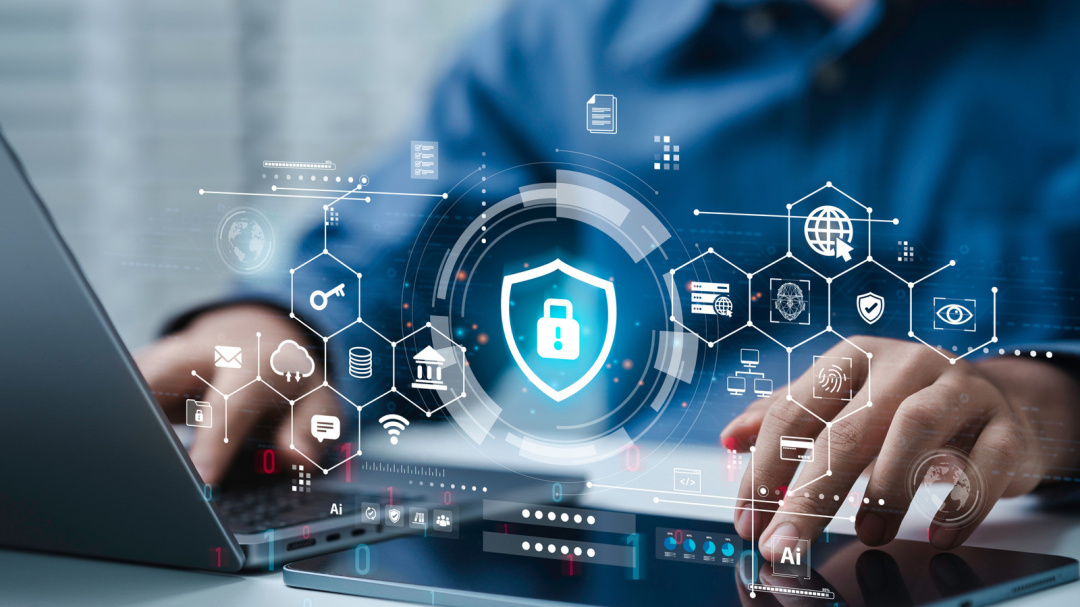
In an era marked by increasing cybersecurity breaches and targeted online fraud, password managers have emerged as crucial tools for internet users. As websites implement stricter password requirements, the complexity of managing multiple passwords has grown, making dedicated password managers a necessity for many. Popular options like LastPass, NordPass, and RoboForm not only securely store and recall passwords but also offer a suite of additional features that can significantly enhance online security.
One of the most notable features of dedicated password managers is their ability to securely store payment information. Unlike standard browser password managers that can be vulnerable to malware, dedicated password managers encrypt payment details, ensuring they can only be auto-filled after user authentication. This added layer of security is essential in protecting sensitive financial information from potential theft.
Explore on Amazon
Amazon shopping links. As an Amazon Associate I earn from qualifying purchases.
Moreover, many password managers come equipped with breach monitoring capabilities. Services like LastPass and NordPass continuously scan the dark web for compromised credentials, alerting users if their information has been exposed. This proactive approach allows users to take immediate action, potentially preventing identity theft before it occurs. For instance, if a user's credentials are found in a data breach, they receive an alert along with clear steps for remediation, helping to mitigate the risk of fraud.
Another valuable feature is the ability to securely store sensitive documents. Password managers like LastPass and NordPass allow users to encrypt and organize important files, such as health insurance information and personal identification documents, in a secure location. This is particularly important given the rise in identity theft, where hackers can exploit easily accessible personal information.
Additionally, some password managers offer the option to create email aliases, which can help users manage their online presence more effectively. By using different aliases for different accounts, users can easily identify phishing attempts and track how their information is shared across platforms. This feature not only enhances security but also empowers users to maintain greater control over their digital identities.
As the landscape of online security continues to evolve, the role of password managers becomes increasingly vital. They not only fulfill the basic function of password storage but also provide essential features that protect users from the myriad threats present in the digital world. With the rise of sophisticated scams and cyber fraud, utilizing a dedicated password manager is a prudent step towards safeguarding one's online identity.
The Importance of Layered Security
In light of the growing sophistication of cyber threats, relying solely on a password manager is not enough. Users should regularly review their security practices, including the information saved in their browsers and the security of their online accounts. As attackers become more adept at exploiting vulnerabilities, maintaining a proactive approach to digital security is essential for protecting personal information.
The use of password managers is a significant step in enhancing online security, but it should be part of a broader strategy that includes awareness of potential threats and best practices for safe internet usage. As technology advances, so too must our methods of protecting ourselves in the digital realm.
What Lies Ahead for Cybersecurity
The future of cybersecurity will likely see continued innovation in password management and related technologies. As AI tools become more prevalent, they may also be used by scammers to create more convincing phishing attempts. This underscores the importance of remaining vigilant and adaptable in the face of evolving threats. Users must stay informed about the latest security features and practices to ensure their online safety in an increasingly complex digital landscape.