New York Widower Loses $800,000 to Online Romance Scam After Wife's Death
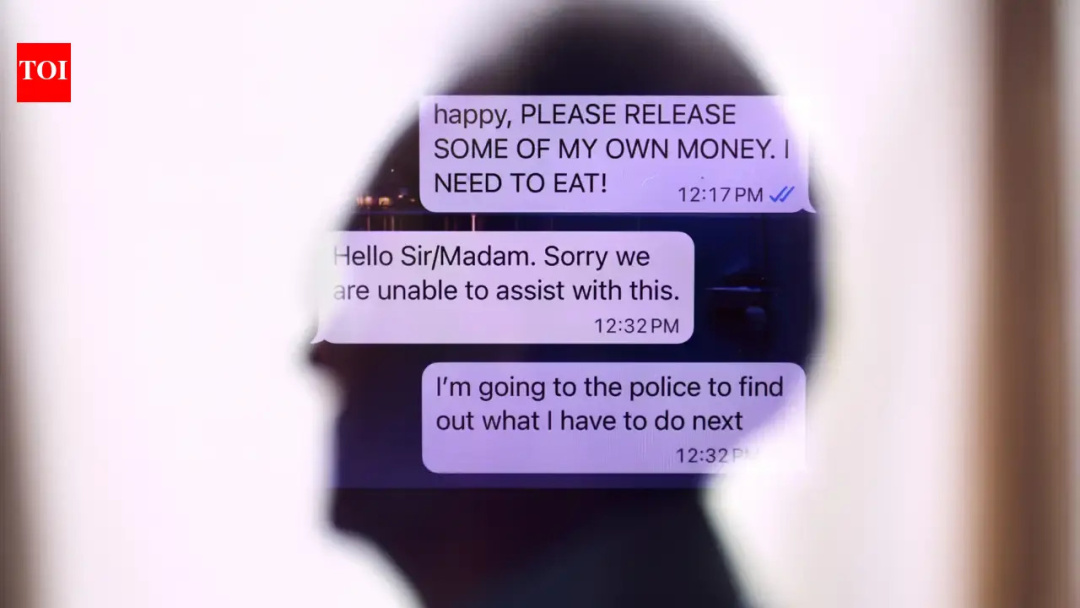
Simon, a New York widower, faced profound loneliness after the death of his wife of 43 years. In search of companionship, he turned to online platforms, where he met a woman named Emily. Their conversations seemed genuine, and a relationship began to blossom. However, Emily was not who she appeared to be; she was a fictitious character created as part of an elaborate online scam. Over several months, Simon lost a staggering $800,000 from his retirement savings to this fraudulent scheme.
The financial impact was devastating, but the repercussions extended beyond mere monetary loss. Following the theft, Simon found himself burdened with $185,000 in borrowed money to repay and faced tens of thousands of dollars in taxes on the funds he had withdrawn. Despite reporting the crime to local authorities and the FBI, Simon felt abandoned, receiving little meaningful assistance in recovering his losses.
Explore on Amazon
Amazon shopping links. As an Amazon Associate I earn from qualifying purchases.
In a cruel twist, another scammer soon approached Simon, promising to connect him with the Secret Service to help recover his stolen money, but only for an additional fee. This pattern of exploitation is not uncommon among victims of online fraud, who often find themselves targeted again by opportunistic scammers.
Investigations by The Associated Press and FRONTLINE traced the funds stolen from Simon to a notorious scam compound in Myanmar, revealing a broader criminal network that preys on individuals through various online scams. Even after significant efforts to dismantle this operation, new sites emerged, leaving victims like Simon with little hope of recovery.
The Rising Cost of Online Fraud
The financial toll of such scams is staggering. In 2025, Americans reported losing $15.9 billion to fraud, a 25% increase from the previous year, according to the Federal Trade Commission. Romance scams, in particular, have surged, with nearly 60% of victims reporting that their losses began on social media platforms. This alarming trend underscores the vulnerability of individuals seeking connection online, especially those grieving the loss of loved ones.
Behind Closed Doors
The challenges of recovering stolen funds are compounded by the nature of financial transactions in the digital age. Banks are generally not required to reimburse customers who authorized transactions under false pretenses, leaving victims in precarious situations when money has been transferred through cryptocurrency or across international borders. Simon's case exemplifies the ongoing financial and emotional struggles faced by victims of online scams, who often grapple with shame and isolation long after the initial fraud.
As Simon's story illustrates, the search for companionship can lead to devastating consequences, with the impact of deception lingering long after the scammer has vanished. The emotional scars and financial burdens remain, highlighting the urgent need for greater awareness and protective measures against such sophisticated fraud schemes.