Ukraine Dismantles Crypto Fraud Ring Draining $1 Million Monthly

Ukraine's National Police and Security Service have successfully dismantled a network of fraudulent investment platforms that exploited victims from more than 20 countries. The operation, revealed on Tuesday, highlighted the growing threat of cryptocurrency scams as authorities identified at least 62 victims, including individuals from Germany, Poland, Lithuania, Latvia, Spain, France, the UK, Canada, and Israel.
The investigation led to the arrest of a 25-year-old IT specialist believed to be the mastermind behind the operation, which employed over 46 Ukrainians across multiple offices in Kyiv and its surrounding areas. The group developed fake platforms that mimicked legitimate exchanges, staying online despite attempts to shut them down. Staff members were dedicated to managing calls, providing security, and maintaining the illusion of a functioning investment service.
Explore on Amazon
Amazon shopping links. As an Amazon Associate I earn from qualifying purchases.
The scheme began on Telegram, where the group promoted seemingly lucrative cryptocurrency projects. Victims who signed up were instructed to connect their wallets and deposit funds into what they were told were investment opportunities. However, the promised returns were fabricated, with staff manually inflating account balances to deceive users. When victims attempted to withdraw their funds, they were met with roadblocks, often being told they needed to authorize a small test transaction to prove the platform's legitimacy. This step allowed the fraudsters to drain the victims' wallets, transferring the assets to accounts they controlled while locking the victims out of their funds.
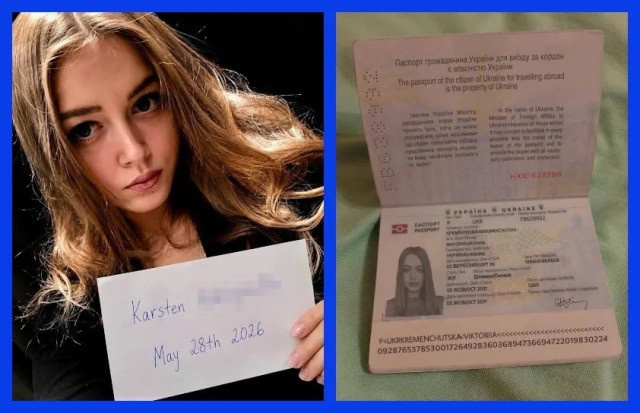
Investigators traced the operation's server equipment to the Netherlands, where they uncovered a database containing detailed records of the victims, including wallet addresses, amounts stolen, and internal communications. The database also revealed that the registration process had collected sensitive personal information, such as passport details, phone numbers, email addresses, and passwords.
In a coordinated effort, law enforcement conducted 34 searches across Kyiv, seizing over 100 computers, phones, SIM cards, a GSM gateway, cash, and 15 vehicles. Some of these assets were registered under the names of suspects' family members, raising further questions about the extent of the operation's reach. The organizer reportedly operated with armed guards, indicating the serious nature of the scheme.
The case is currently progressing under Part 5 of Article 190 of Ukraine's criminal code, with police continuing to identify additional victims and unravel the full scope of the fraud. Authorities previously seized over $8.3 million in USDT, marking a significant step in managing confiscated cryptocurrency. Experts suggest that stricter regulations could potentially recover at least $10 billion in stolen funds and lost tax revenue for Ukraine.
The Mechanics of the Scam
As the investigation unfolds, the methods employed by the fraudsters are coming to light. The operation's success hinged on sophisticated social engineering techniques that preyed on the trust of potential investors. By presenting a facade of legitimacy through professional-looking websites and convincing marketing tactics, the scammers were able to lure in unsuspecting individuals eager to profit from the booming cryptocurrency market.
However, the illusion was shattered when victims attempted to access their funds, revealing the true nature of the operation. The ongoing investigation aims to not only hold the perpetrators accountable but also to raise awareness about the risks associated with investing in unverified platforms. As authorities work to identify all individuals involved, the case serves as a stark reminder of the vulnerabilities present in the digital investment landscape.
What Lies Ahead for Victims
The fallout from this operation leaves many victims grappling with significant financial losses and the emotional toll of being deceived. As police efforts continue, there remains a pressing need for greater consumer education regarding the risks of online investments. The case underscores the importance of vigilance in an increasingly digital world, where the line between legitimate opportunities and elaborate scams can often blur. As investigations proceed, the hope is that more victims will be identified and that measures will be put in place to prevent such schemes from flourishing in the future.