Thieves Steal Renoir Paintings Worth Millions from French Museum
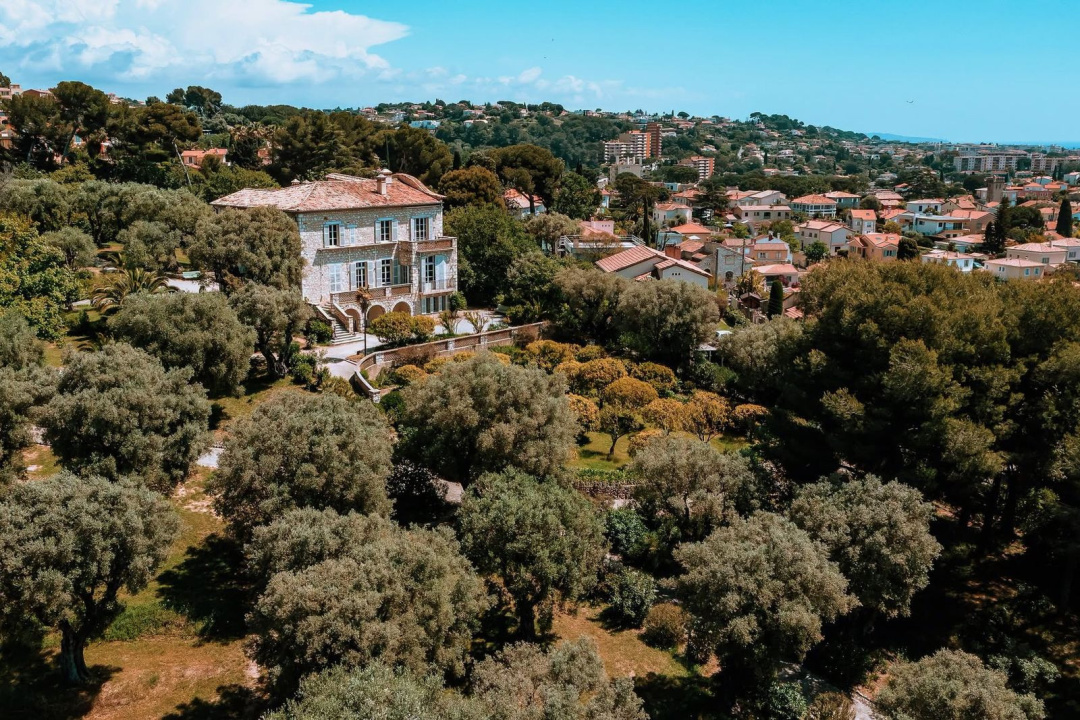
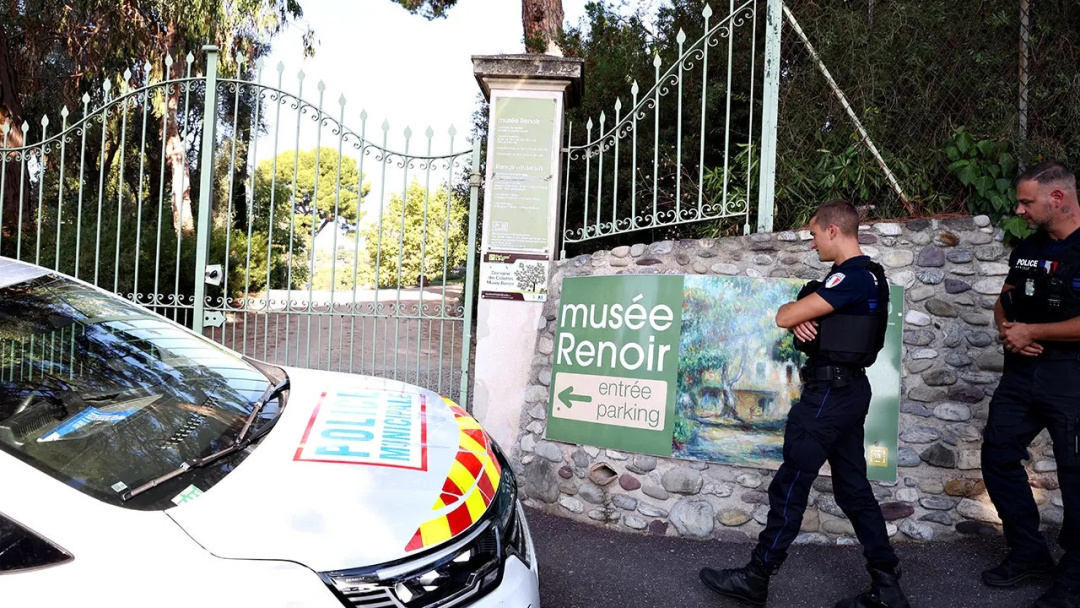
In the latest art heist to rock France, two thieves executed a daring break-in at the Renoir Museum located in Cagnes-sur-Mer, the former home of Impressionist painter Pierre-Auguste Renoir. Early this morning, just before sunrise, the burglars entered the museum, which houses the estate where Renoir spent the last decade of his life, and made off with four of his paintings.
According to Bryan Masson, the mayor of Cagnes-sur-Mer, the thieves were armed with an electric knife or metal saw, which they used to cut through the bolts securing the frames of Renoir's works. "The police intervention and the museum’s alarms caused the robbers to rush and steal only 4 of the 12 works from the Renoir Museum," Masson explained to reporters.
Explore on Amazon
Amazon shopping links. As an Amazon Associate I earn from qualifying purchases.
The stolen paintings included Portrait of Madame Stephen Pichon (1895), Coco Reading (1905), Madame Colonna Romano (1910), and Young Woman at the Well (1886). In a twist of fate, the thieves abandoned the first two paintings in the museum’s gardens while fleeing from authorities, leaving the latter pair still unaccounted for.
The artworks were on loan to the Renoir Museum from the Musée d’Orsay in Paris. The deputy mayor of Cagnes-sur-Mer, Caroline d’Amat, noted that Madame Colonna Romano is valued at over $2.3 million, while Young Woman at the Well is worth approximately $230,000. Initially, before the recovery of the abandoned pieces, the mayor’s office estimated the total value of the stolen artworks at around $10 million, according to reports from Agence France-Presse.
Details of the Heist Unfold
The museum’s alarm system was triggered at 5:48 a.m., and local police were on the scene just five minutes later, which likely contributed to the thieves' hurried escape. Renoir, who was born in 1841, is celebrated for his soft-focus portraits and vibrant depictions of everyday life. He moved to southern France for health reasons and continued to paint until his death in 1919.
The Renoir Museum, which became a public museum in 1960, showcases original furniture and personal items belonging to the artist, including his easel and wheelchair, alongside a collection of his works.
What They Hid
This burglary is not an isolated incident; it joins a troubling trend of art thefts across Europe. Last year, a notorious heist at the Louvre saw criminals escape with French crown jewels, while this spring, paintings valued at $10 million by Renoir, Matisse, and Cézanne were stolen from an Italian museum. Just this summer, jewelry and art worth $5 million were taken from France’s Lalique Museum.
In light of these incidents, Masson has called for increased protection for local museums, urging the French government to take action against the organized crime that increasingly targets valuable artworks. "Beyond Cagnes-sur-Mer, this incident should serve as a warning about the protection of our museums, which now face a new form of organized crime targeting works of art," he stated, emphasizing the need for enhanced security measures to safeguard cultural heritage.