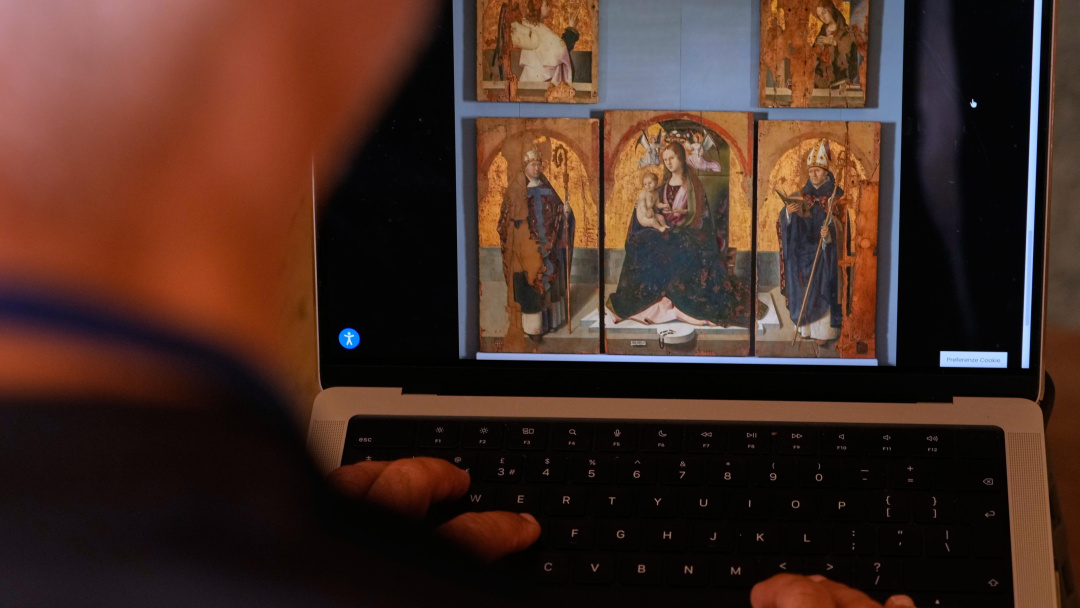
Four Masterpieces by Antonello da Messina Stolen in Sicilian Heist
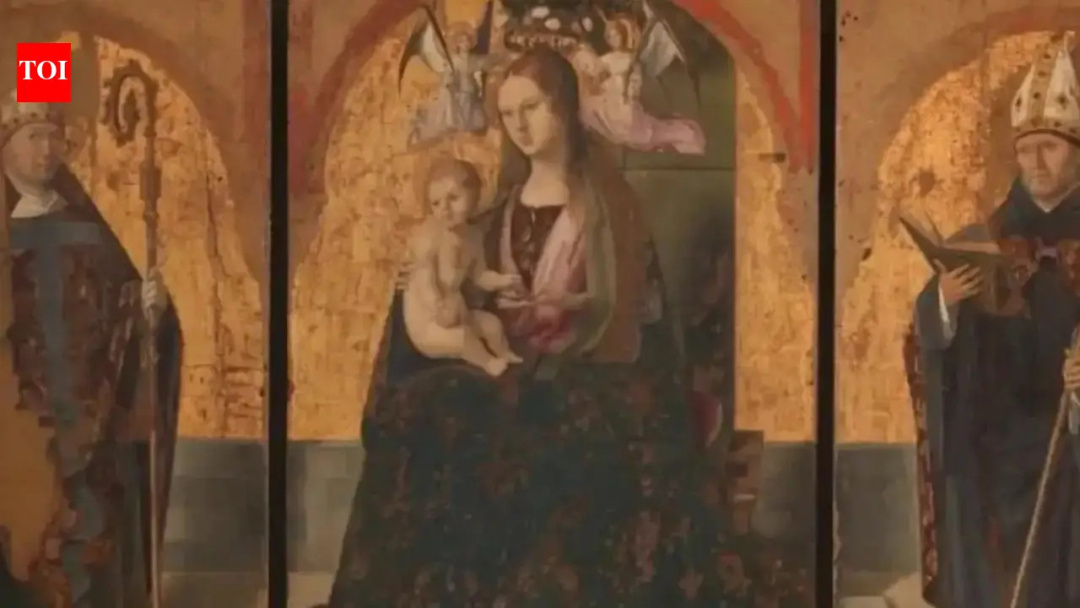
In a brazen art heist, four masterpieces attributed to celebrated Renaissance painter Antonello da Messina were stolen from the MuMe regional museum in Messina, Italy, on August 15, 2026. The theft took place during the Ferragosto holiday, a time when many Italians are away, allowing the thieves to execute their plan with relative ease. Reports indicate that the culprits successfully bypassed both alarm and security systems, escaping with the valuable artworks shortly before 10 PM.
Among the stolen pieces are three of the five surviving panels of the "San Gregorio Polyptych," which date back to 1473, alongside a double-sided panel depicting the Virgin Mary and the dead Christ in a work titled "Pietà." The latter piece was notably removed from an armored display case, highlighting the audacity of the thieves. Museum director Marisa Mercurio expressed her devastation over the loss, emphasizing the significance of these works not only to the museum and the city of Messina but also to the global art community.
Explore on Amazon
Amazon shopping links. As an Amazon Associate I earn from qualifying purchases.
The museum remained closed on the following day as investigators began to collect evidence. The Carabinieri, Italy's national police force, are currently involved in the investigation, although museum officials were not immediately available for comment. This incident has sparked renewed discussions about the security of art institutions in Italy, particularly given the rising interest in Antonello's works. Earlier this year, the Italian government acquired his painting "Ecce Homo" for an impressive $14.9 million at Sotheby's in New York, further elevating the profile of this historic artist.
Art-crime analyst Lynda Albertson noted that the stolen pieces would be challenging to sell through legitimate channels due to their high recognition factor. She pointed out that while the act of stealing such valuable works may seem straightforward, the subsequent sale poses significant difficulties. Often, stolen artworks circulate among criminals and may even be used as collateral in other illicit dealings.
Recent Recoveries Highlight Ongoing Efforts
This theft follows closely on the heels of a recent success for Italian authorities, who announced the recovery of three artworks by renowned artists Auguste Renoir, Paul Cézanne, and Henri Matisse, worth millions. These works had been stolen from the Magnani Rocca Foundation earlier in the year. The Carabinieri's art recovery squad confirmed that the recovered pieces were found during searches ordered by prosecutors, indicating ongoing efforts to combat art theft in the region.
The Unraveling
As the investigation into the Messina heist unfolds, it raises broader questions about the security measures in place at museums across Italy. With historical artworks being targeted, the art world is left to ponder what can be done to better protect such invaluable pieces of cultural heritage. The theft of Antonello da Messina's masterpieces not only represents a significant loss for the museum and the local community but also serves as a reminder of the vulnerabilities that art institutions face in safeguarding their collections.
As authorities continue to investigate the circumstances surrounding the theft, the focus will inevitably shift to the mechanisms behind such audacious crimes. The art world watches closely, aware that while the thefts may be executed with relative ease, the path to disposing of such recognizable works is fraught with challenges. The case remains open, leaving many questions unanswered about the fate of the stolen masterpieces and the individuals behind this high-profile heist.