Vienna Heist: Thieves Steal Priceless Necklace from Museum
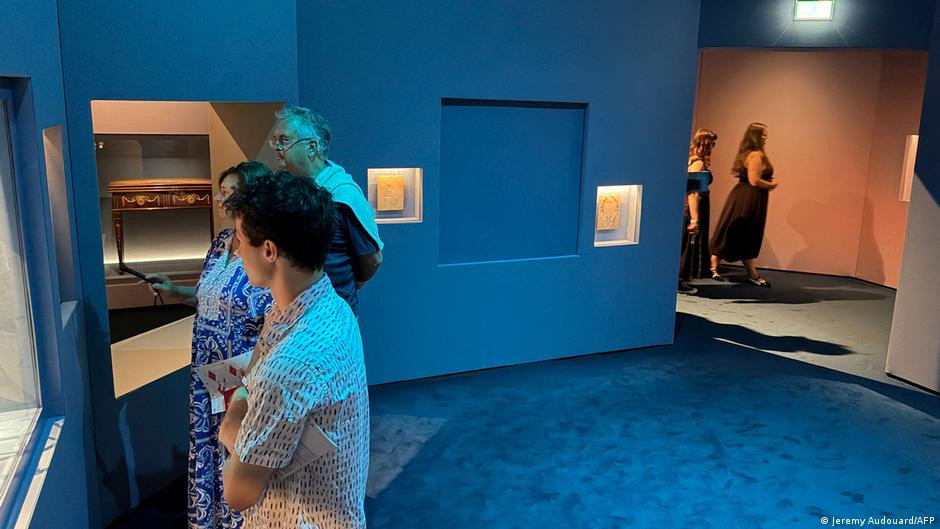
Two men executed a brazen heist at Vienna's Museum of Applied Arts (MAK), walking in as ordinary visitors and leaving with a 200-carat platinum and diamond necklace worth several million dollars. This theft, which took place in broad daylight on Thursday, is part of a troubling trend of high-profile art thefts across Europe in recent months, prompting a police search that extends beyond Austria's borders.
According to police reports, the robbers purchased tickets to enter the museum and made their way to a temporary exhibition featuring the French jewelry house Van Cleef and Arpels. Once there, they smashed a glass display case with a hammer and fled with the necklace in an unknown direction. Surveillance footage captured their actions, and police noted that the thieves did not wear masks, making their identities potentially recognizable.
Explore on Amazon
Amazon shopping links. As an Amazon Associate I earn from qualifying purchases.
A police spokeswoman revealed that one of the robbers was armed with what appeared to be a real firearm. She acknowledged that with visitors and security personnel present during the incident, it was understandable that security staff did not intervene against the armed assailant. The MAK museum confirmed the theft but refrained from providing further comments, choosing instead to continue promoting its exhibition, which is scheduled to run until September 27.
The stolen necklace, originally designed for Egypt's now-deposed Queen Nazli in 1939 for her daughter’s marriage to the future Shah of Iran, Mohammad Reza Pahlavi, is a stunning piece made of platinum and adorned with 673 precious stones. Van Cleef and Arpels describes it as a "triumph of white jewelry" on their website, underscoring its historical and monetary significance.
A Pattern of Cultural Heists Emerges
This incident marks yet another entry in a series of thefts that have plagued European museums. Notably, a high-profile break-in at the Louvre in Paris last October resulted in the theft of jewelry valued at $102 million in under eight minutes. Similar thefts have also been reported in Italy and Spain, raising alarms about the security measures in place to protect invaluable cultural artifacts.
The Unraveling
The recent surge in museum heists has sparked discussions about the adequacy of security protocols in these institutions. With the frequency of such incidents on the rise, museum officials and law enforcement agencies are under pressure to enhance their protective measures. As investigations continue into the Vienna heist, questions linger about how such brazen acts can be executed with seeming ease and what steps will be taken to prevent future occurrences.
As authorities work to track down the perpetrators of the Vienna heist, the implications of this theft extend beyond the immediate loss of a priceless artifact. It highlights vulnerabilities in the security of cultural institutions and raises broader concerns about the protection of heritage. The art world watches closely as this case unfolds, eager to see what measures will be implemented to safeguard against future thefts and whether the stolen necklace will ever be recovered.