French Man Arrested for Selling Over 44,000 Fake Doctor Notes
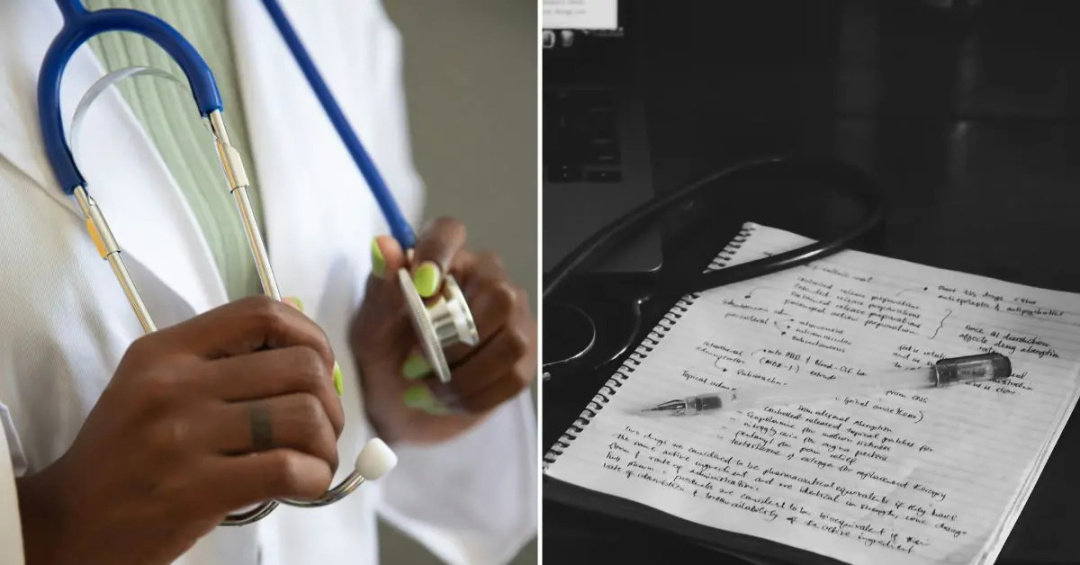
A 25-year-old man from France has been arrested for selling over 44,000 fake doctor's notes, which allowed individuals to take time off work while still receiving pay. The man, whose identity has not been disclosed, allegedly sold these fraudulent notes for around $25 each, amassing profits exceeding $1 million. The scheme has drawn significant attention, as it exploits a system where a doctor's sick note enables employees to stay home while the French government compensates part of their salary.
The arrest occurred on March 31 near Nantes, where authorities charged him with illegal practice of medicine, fraud, forgery, and criminal conspiracy. The operation underscores a troubling trend of fake medical documentation, which can have serious implications for both employers and the healthcare system.
Explore on Amazon
Amazon shopping links. As an Amazon Associate I earn from qualifying purchases.
This case is not isolated. In the United States, a similar issue has arisen with individuals impersonating medical professionals. For instance, a Miami woman named Mayling Maya-Giraldo was apprehended for pretending to be a cosmetic doctor, operating from her personal Instagram account. She falsely advertised her services, including Botox injections, and was caught during an undercover operation.
The rise of fake medical professionals poses a significant risk to public health and safety. The U.S. Food and Drug Administration has reported that it issued numerous warning letters to websites illegally marketing unapproved medical products following adverse events, including severe health complications.
As authorities continue to crack down on these fraudulent practices, the case of the French man highlights the need for vigilance in verifying medical credentials. The implications of such deceptions extend beyond individual cases, affecting trust in healthcare systems and potentially endangering lives.
The Broader Implications of Medical Fraud
The issue of fake medical documentation and impersonation is a growing concern globally. In addition to the French case, there have been numerous instances in the U.S. where individuals have claimed to be licensed medical professionals without the necessary qualifications. For example, Autumn Bardisa, a woman in Florida, treated over 4,000 patients while misrepresenting herself as a licensed nurse. She was ultimately sentenced to probation and community service after her fraudulent activities were uncovered.
These incidents raise critical questions about the effectiveness of regulatory systems in preventing medical fraud and protecting the public. As the healthcare landscape continues to evolve, the need for stringent verification processes and public awareness becomes increasingly urgent. The consequences of failing to address these issues can be dire, affecting both the integrity of healthcare systems and the safety of patients.
What Comes Next for the Accused
As the legal proceedings unfold for the French man, the case serves as a stark reminder of the potential repercussions of engaging in medical fraud. Facing up to ten years in prison, he exemplifies the risks associated with exploiting healthcare systems for personal gain. The outcome of this case may set a precedent for how similar cases are handled in the future, emphasizing the importance of accountability in the medical field. As authorities continue to investigate and prosecute such fraudulent activities, the hope is that it will deter others from attempting similar schemes.