Imposter Doctor Leaves Massachusetts Woman with Permanent Scars from Surgery
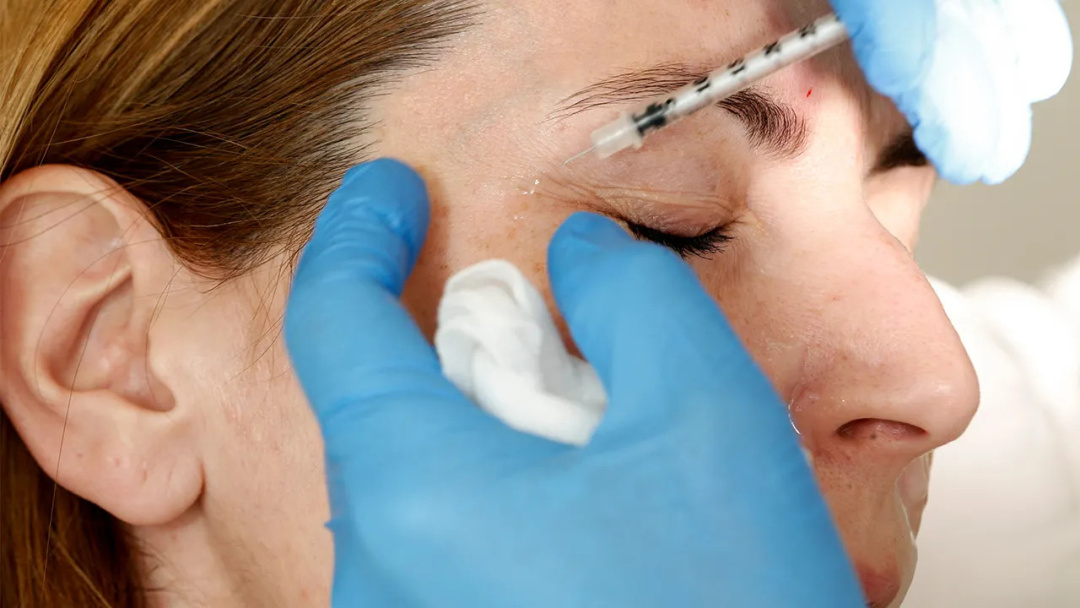
In a disturbing case of medical impersonation, Dingrui Wang, 34, from Newton, Massachusetts, allegedly left a 22-year-old woman with permanent scarring following a botched eyelid surgery performed in January 2020. According to the Suffolk County District Attorney's office, Wang conducted the double eyelid blepharoplasty procedure at her home in Allston, despite lacking a valid Massachusetts physician’s license.
Wang reportedly misrepresented herself as a licensed physician and injected the victim’s eyelids with a local anesthetic and non-FDA-approved dermal fillers. After the first eyelid was completed, the victim experienced extreme pain and attempted to leave, but Wang allegedly forced her back onto the table to continue the procedure.
Explore on Amazon
Amazon shopping links. As an Amazon Associate I earn from qualifying purchases.
In addition to the unauthorized surgery, Wang is accused of falsifying her qualifications on a loan application, claiming to hold current licenses as an aesthetician, massage therapist, and hair salon operator. The DA's office has charged her with multiple offenses, including four counts of assault and battery with a dangerous weapon, one count of kidnapping, and charges related to unauthorized medical practice.
Wang was indicted by a Suffolk grand jury on January 29 and is scheduled for arraignment on February 5. District Attorney Kevin R. Hayden emphasized the importance of proper medical licensing, stating, "Physicians are licensed for very good reasons, primary among them the assurance that patients are going to be treated by someone trained and certified to deliver safe, effective medical procedures. When misrepresentations are made, the results can be devastating."
Concerns Over Unregulated Cosmetic Procedures
The case raises serious concerns about the safety of unregulated cosmetic procedures and the potential dangers posed by individuals impersonating licensed medical professionals. As the legal proceedings unfold, questions remain about the extent of Wang's deception and the implications for public safety in the field of cosmetic surgery.
Legal Implications of Medical Fraud
The ramifications of this case extend beyond the immediate harm caused to the victim. It highlights the critical need for stringent regulations and enforcement in the cosmetic surgery industry. With the rise of at-home cosmetic procedures, the potential for similar incidents increases, prompting calls for greater oversight and awareness among consumers seeking aesthetic enhancements.
As the case progresses, it serves as a cautionary tale about the importance of verifying medical credentials and the risks associated with undergoing procedures from unlicensed practitioners. The fallout from Wang's actions may lead to heightened scrutiny of cosmetic surgery practices and a renewed focus on protecting patients from fraudulent medical claims.