Alex Saab Admits Guilt in US Court for Money Laundering Scheme
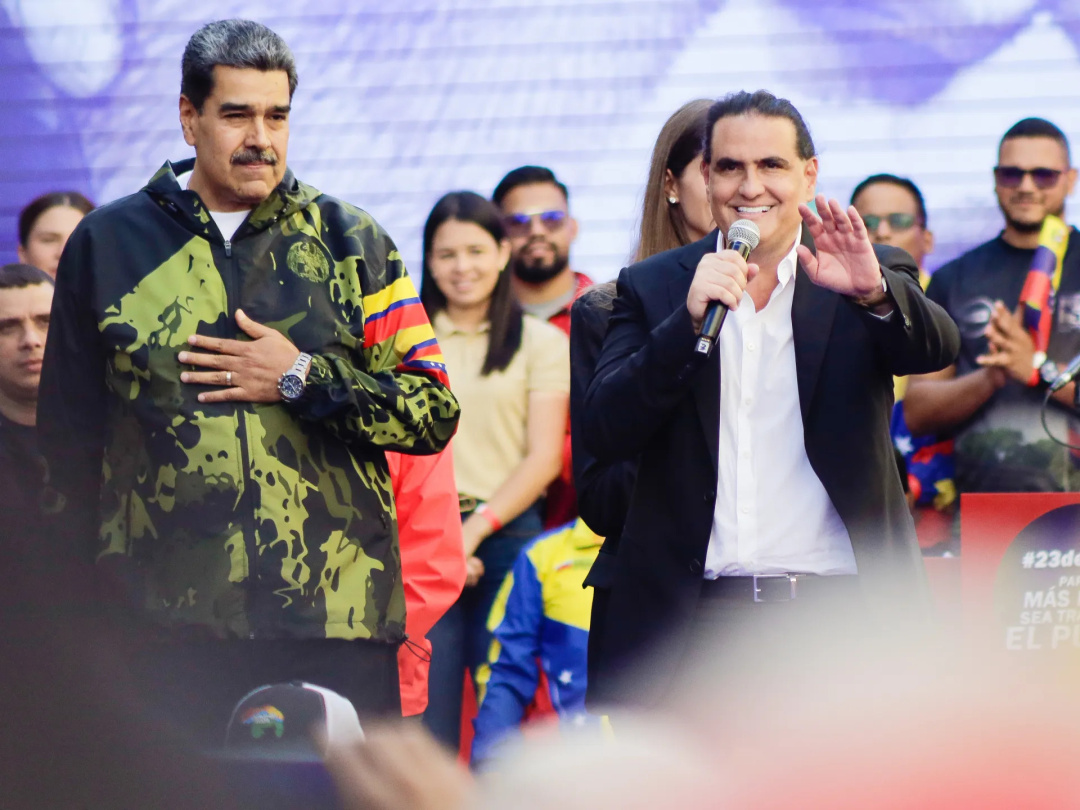
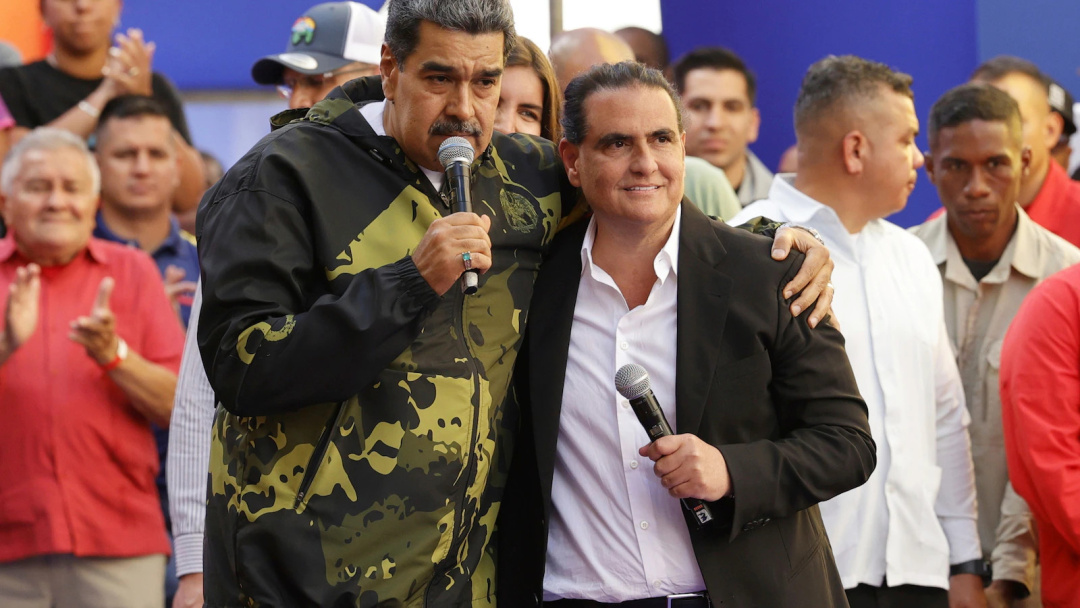
Alex Saab, a Colombian-Venezuelan businessman and a close ally of former Venezuelan President Nicolas Maduro, has pleaded guilty in a US federal court to laundering proceeds from a bribery and fraud scheme. In a hearing on Tuesday before US District Judge Kathleen Williams in Miami, Saab admitted to organizing a network of bribes to Venezuelan officials, allowing companies he secretly controlled to secure government contracts for importing food and medicine.
The fraudulent contracts were part of CLAP, a Venezuelan welfare program designed to distribute subsidized food to the public amid the country's severe economic collapse. According to the US Justice Department, Saab and his associates utilized fake companies, false invoices, and fraudulent shipping records to siphon off hundreds of millions of dollars that were intended for public benefit, laundering the proceeds through shell companies abroad, including in the United States.
Explore on Amazon
Amazon shopping links. As an Amazon Associate I earn from qualifying purchases.
Assistant Attorney General A. Tysen Duva of the Justice Department’s Criminal Division stated that Saab “created a complex web of front companies, shell accounts, and false records” to perpetuate his scheme, win lucrative public contracts, and enrich himself and his conspirators. Saab also acknowledged that he exploited his connections to Venezuelan officials to gain access to oil owned by the state firm PDVSA, selling it under false pretenses as US sanctions tightened their grip on the country’s finances.
Saab pleaded guilty to a single count of conspiracy to launder monetary instruments, which carries a maximum sentence of 20 years in prison. As part of a plea deal, he agreed to forfeit $195 million in criminal proceeds and to cooperate with ongoing federal investigations. Prosecutors have indicated they will recommend a sentence at the lower end of the range and may seek further reductions based on the extent of his cooperation.
A sentencing date has yet to be established. This case marks Saab’s second prosecution in the US; he was initially arrested in Cape Verde in 2020 and extradited to face similar charges. In December 2023, former US President Joe Biden granted him clemency as part of a prisoner exchange with Venezuela, but a new indictment followed in January. Saab was deported to the US in May by Venezuela’s interim government under pressure from Washington, shortly after the US removed Maduro from power and brought him to US soil.
US Attorney Jason Reding Quinones remarked that the case “sends a clear message: political connections, wealth, and proximity to a corrupt regime will not put anyone beyond the reach of American justice.”
The Complex Web of Deceit
The details surrounding Saab's operations reveal a troubling picture of corruption and exploitation of a welfare program meant to assist the Venezuelan populace during dire times. The CLAP program, which was intended to distribute food to those in need, became a vehicle for Saab and his associates to enrich themselves at the expense of the very citizens it was designed to help. The intricate methods employed—ranging from fake companies to false documentation—underscore the lengths to which Saab went to maintain his scheme.
As Saab prepares for sentencing, the implications of his guilty plea resonate beyond his personal fate. His cooperation with federal investigations may uncover further details about the broader network of corruption within Venezuela, potentially implicating other high-ranking officials and revealing the extent of the financial malfeasance that has plagued the nation. The case exemplifies the intersection of political power and financial crime, raising questions about accountability in regimes where corruption is rampant.
The Unraveling
With Saab's admission of guilt, the focus now shifts to the ongoing investigations and the potential ramifications for those involved in the Venezuelan government's fraudulent activities. The outcome of his cooperation could lead to additional charges against other individuals connected to the scheme, further illuminating the depth of corruption that has undermined Venezuela's welfare systems. As the US continues to pursue justice against those who exploit political connections for personal gain, the case serves as a stark reminder of the consequences of unchecked power and greed.