LinkedIn Romance Scam Costs Woman Nearly $1 Million
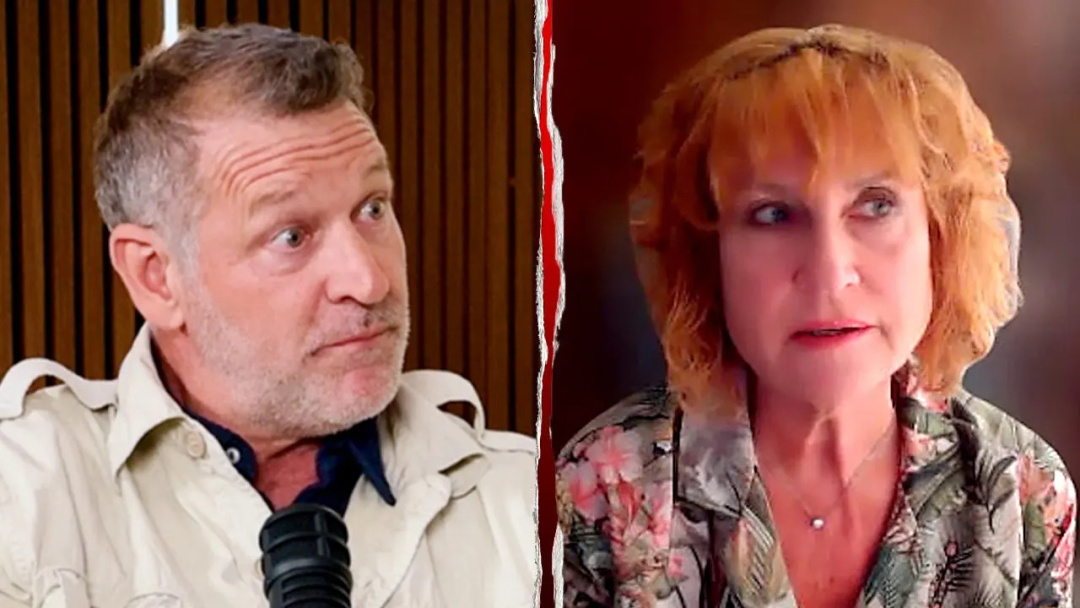
A woman named Gaby found herself ensnared in a two-year romance scam on LinkedIn that resulted in her losing nearly $1 million. The scam began innocently enough with a message from a stranger who appeared to be connected to someone she already knew. This initial connection helped lower her defenses, leading her into a web of deceit that would cost her dearly.
Gaby's relationship with the scammer began in March 2019 when she received a message on LinkedIn. The scammer used the identity of a real man, Brian Haugen, whose photos were stolen to create a false persona. Gaby recounted how the relationship escalated quickly, with the scammer showering her with compliments and attention, drawing her in emotionally. After weeks of communication, the requests for money began, starting with a claim that his bank account had been blocked.
Explore on Amazon
Amazon shopping links. As an Amazon Associate I earn from qualifying purchases.
At first, Gaby sent around $10,000, but a key moment came when the scammer returned that money. This act of returning funds created a false sense of trust. Gaby believed she was dealing with someone reliable, which made her more susceptible to subsequent requests for larger sums of money. Over time, she sent amounts of $10,000, $20,000, and even $200,000, convinced that she was helping him through financial troubles.
The scammer's tactics were methodical. He fabricated emergencies, claiming he needed money for taxes and customs fees, which he promised to repay. The emotional manipulation intensified when he claimed he needed surgery, tying the request for $500,000 to a test of her love. At this point, Gaby had already invested significant emotional and financial resources into the relationship, making it difficult for her to see the deception clearly.
As the pandemic hit, Gaby's plans to meet the man in person were thwarted, which the scammer used as another excuse to delay their meeting. This pattern of excuses is a common warning sign identified by the FBI, who advise caution when someone repeatedly cancels plans to meet.
Eventually, Gaby began to have doubts about the identity of the person she was communicating with. After following the real Brian Haugen on social media, she arranged a Zoom call with him, which confirmed her suspicions about the scam. The fake Brian attempted to explain away her doubts but failed to provide the verification she requested, leading to the unraveling of the scam.
The Tactics of Romance Scammers Revealed
Gaby's experience highlights the intricate tactics employed by romance scammers. They often leverage stolen identities, emotional manipulation, and a gradual build-up of trust to exploit victims. The FBI warns that individuals should be cautious when engaging with online profiles, especially those that seem too good to be true or lack independent verification.
The fallout from Gaby's ordeal serves as a stark reminder of the dangers lurking in online interactions. It underscores the importance of vigilance and the need for individuals to protect their personal information on social media. Gaby's story is not just a cautionary tale; it reflects a broader issue of online deception that affects many unsuspecting victims.
As Gaby continues to process her experience, she emphasizes the need for awareness and education about romance scams. The emotional toll of such scams can be devastating, and understanding the tactics used by scammers is crucial in preventing future victims from falling prey to similar schemes.
Scammers often utilize social media platforms like LinkedIn to initiate contact, taking advantage of the connections and information available. Gaby's case illustrates how a seemingly innocuous message can lead to significant financial loss. The Federal Trade Commission (FTC) reports that nearly 60% of romance scam victims in 2025 indicated that their scam began on social media, resulting in reported losses of approximately $298 million.
Behind Closed Doors
The emotional manipulation involved in these scams can be profound, as victims often become deeply invested in the relationships they believe they are nurturing. Gaby's story exemplifies how trust can be exploited, with scammers carefully crafting their narratives to align with the victims' emotions and expectations. The gradual escalation of requests for money, often tied to fabricated emergencies, is a hallmark of these schemes.
Ultimately, Gaby's experience serves as a crucial reminder of the importance of skepticism in online interactions. It highlights the need for individuals to verify identities independently and to be cautious about sharing personal information. As the landscape of online communication continues to evolve, so too do the tactics of those who seek to exploit it. Awareness and education are vital tools in the fight against romance scams and other forms of online deception.