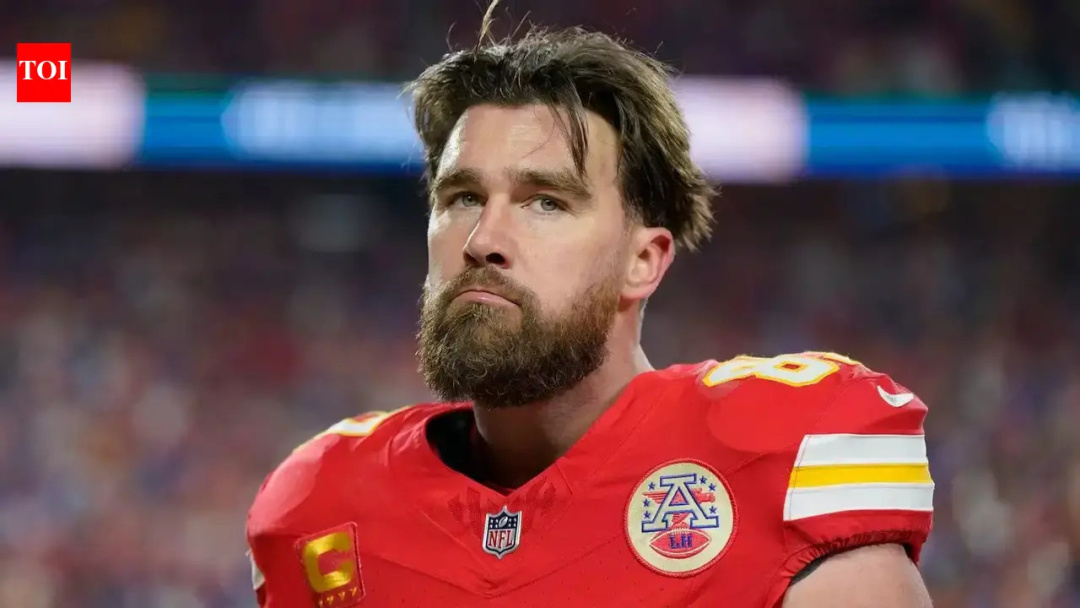
Travis Kelce Mocked by White House After Falling for Ponzi Scheme
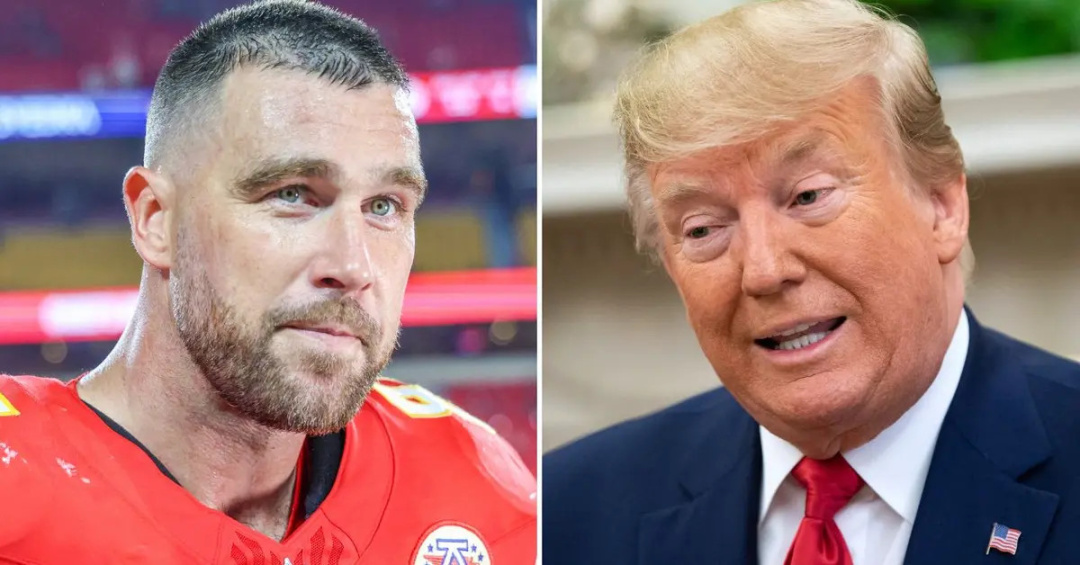
Travis Kelce's investment misadventure has drawn unwanted attention from the White House, following his entanglement in a Ponzi scheme that has reportedly cost him millions. The scheme, masterminded by Siddharth Jawahar, has been described by prosecutors as a significant fraud operation that defrauded numerous investors, including the NFL star.
After Jawahar's arrest and subsequent guilty plea, the White House took to social media to highlight their efforts in combating fraud, directly tagging Kelce in a tweet that both credited their task force and poked fun at the athlete. The tweet read, "This is why we do what we do. Seems like a good time to re-up the work of the White House Task Force to Eliminate Fraud: identifying fraud & protecting Americans. Oh, and it looks like the next draft pick to join the Task Force is @tkelce!"
Explore on Amazon
Amazon shopping links. As an Amazon Associate I earn from qualifying purchases.
The specifics of Kelce's financial loss remain undisclosed, but he was named in court documents as a victim of Jawahar's fraudulent activities. The scheme, which operated through various LLCs under the name Swiftarc, falsely claimed to manage a $75 million fund focused on telehealth services, including mental health and pediatric care. Swiftarc also advertised partnerships with a Cleveland-based research firm, which added a veneer of legitimacy to its operations.
However, prosecutors allege that instead of investing in these purported ventures, Jawahar diverted funds to support his lavish lifestyle. This included private jet travel, stays in luxury hotels, and high-end shopping sprees, all while using new investor money to pay off earlier investors—a hallmark of Ponzi schemes.
Jawahar ultimately pleaded guilty to three counts of wire fraud and was sentenced to 11 years in prison, along with a restitution order of $31.35 million to compensate his victims. The fallout from this case has not only affected Kelce but has also sparked broader discussions about investor protection and the responsibilities of public figures in their financial dealings.
Critique of Political Accountability Emerges
Criticism of the White House's response to the situation has surfaced as well, with some commentators questioning the administration's focus on Kelce's misfortune while overlooking other significant financial controversies involving political figures. Comments on the White House's social media post included jabs at the Trump family's alleged financial improprieties, suggesting a double standard in how fraud is addressed at different levels of society.
As the story unfolds, it raises questions about the effectiveness of current fraud prevention measures and the role of public figures in promoting or falling victim to dubious financial schemes. Kelce's experience serves as a cautionary tale about the risks associated with investments that promise high returns without clear transparency.
The Unraveling
This incident not only highlights the personal consequences for Kelce but also reflects a larger issue regarding the vulnerability of celebrities to financial scams. The intersection of fame and finance can create opportunities for fraudsters who exploit the trust and influence that public figures hold. As the public continues to scrutinize the actions of both celebrities and government officials, the need for greater accountability and transparency in financial dealings becomes increasingly apparent.
With the legal proceedings against Jawahar concluded, the focus now shifts to the implications of this case for investor protection laws and the responsibilities of high-profile individuals in their financial decisions. As more details emerge about the extent of the fraud and the individuals involved, it remains to be seen how this will affect public trust in both celebrity endorsements and governmental oversight of financial practices.