Lawsuits Seek Return of Nazi-Looted Art from Los Angeles Museums
Jewish heirs of Holocaust victims and their representatives have initiated two lawsuits in California, asserting their claims to Nazi-looted paintings that are currently displayed in prominent museums in Los Angeles and Auschwitz. These lawsuits mark the first legal actions taken following the recent passage of laws by California and Congress that strengthen U.S.-based claims for artworks forcibly taken from Jewish families during World War II.
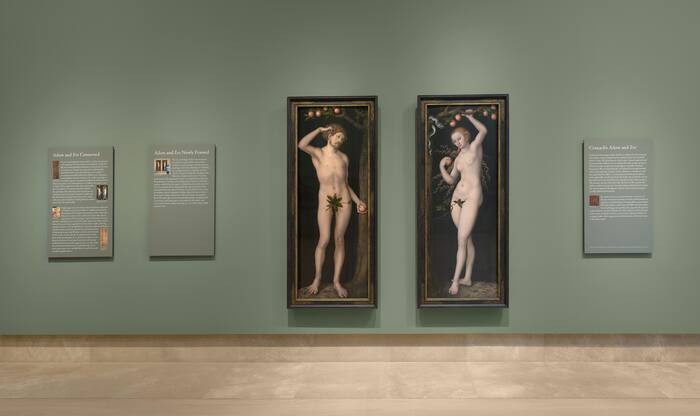
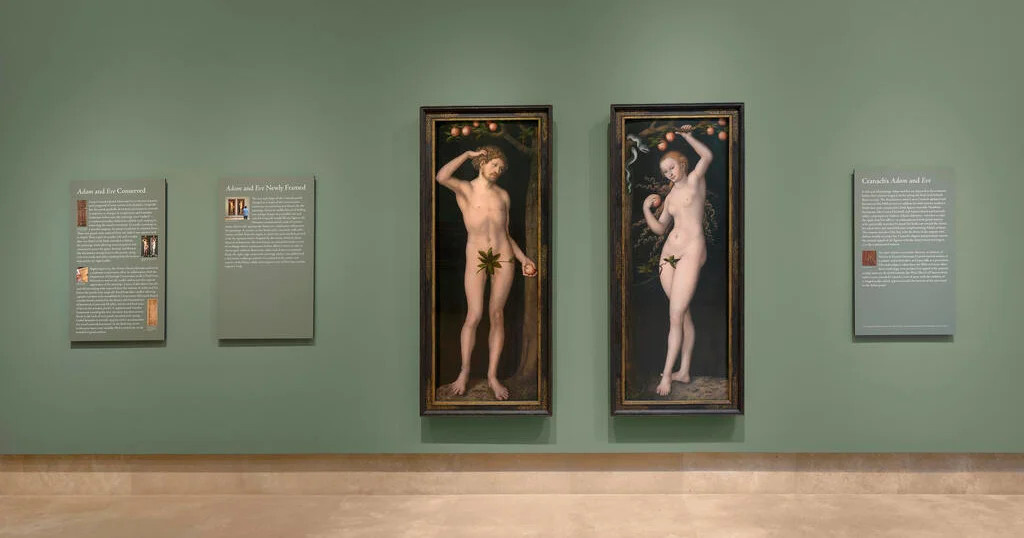
One lawsuit was filed in Los Angeles Superior Court by the Jewish Federation of Greater Los Angeles and its board chair, Daniel Gryczman, against the Norton Simon Museum in Pasadena. This suit demands the return of "Adam and Eve," two life-size oil-on-panel masterpieces created by Lucas Cranach the Elder in 1530. The other lawsuit, filed in federal court in Los Angeles, was brought by the daughters of the late Dinah Gottliebova Babbitt, a Holocaust survivor and animator who was imprisoned in Auschwitz. They seek the return of watercolors of fellow prisoners that Babbitt was forced to paint for Josef Mengele, the notorious Nazi physician known as the "Angel of Death."
Explore on Amazon
Amazon shopping links. As an Amazon Associate I earn from qualifying purchases.
Both museums maintain that they legally hold titles to the artworks and intend to continue their public display. The lawsuits do not specify the monetary value of the paintings involved, but the emotional and ethical implications of Nazi-looted art are significant, pitting Jewish families against institutions that argue they are preserving a painful yet important chapter of history.
During the Nazi regime from 1933 to 1945, over 600,000 works of art were seized across Europe from Jewish families, collectors, and museums, making this issue a complex one that transcends simple property disputes. Rabbi Noah Farkas, president and CEO of the Jewish Federation of Los Angeles, noted that the federation intends to use most of the proceeds from any recovered art to assist the approximately 2,500 Holocaust survivors living in the Los Angeles area. He emphasized the moral obligation to help these survivors live their final years with dignity, comfort, and peace, a right denied to their families during the Holocaust.
Legislative Changes Impacting Art Recovery Efforts
Marei von Saher, the sole heir of Dutch Jewish art dealer Jacques Goudstikker, expressed gratitude to the Jewish organization for advocating on behalf of her family's cause, stating that this effort represents a meaningful step toward justice for Holocaust survivors and victims of Nazi-era atrocities.
The legal landscape surrounding these claims has shifted with the introduction of Assembly Bill 2867, authored by Democratic California Assemblyman Jesse Gabriel. Signed by Governor Gavin Newsom in September 2024, this law mandates that California law applies in lawsuits brought by residents or their heirs to recover art seized during the Holocaust or other acts of persecution. This legislation was introduced in response to a federal court ruling that allowed the Thyssen-Bornemisza National Museum in Madrid to retain a multimillion-dollar Camille Pissarro impressionist masterpiece, which had been taken by the Nazis from the Cassirer family in 1939. This case is expected to be heard in federal court in California next month.
Behind Closed Doors
Gabriel has urged museums to reflect on their positions regarding these claims, suggesting that they should consider whether they want to be on the right side of history. The Norton Simon Museum has previously asserted that a federal court unanimously determined in 2018 that it held proper title to the Cranach paintings, a decision later upheld by the U.S. Supreme Court in 2019. The museum's statement highlighted that the Cranach paintings originally belonged to the Stroganoff family and were sold in an illicit auction in Berlin in 1931 before being acquired by Goudstikker. After a convoluted history, the paintings were sold to the museum by a descendant of the Stroganoff family and have been on public display for nearly 50 years.
Pawel Sawicki, a spokesperson for the Auschwitz Memorial, stated that the watercolors created by Gottliebova Babbitt must remain in the Memorial to document Mengele's heinous crimes. He emphasized that these artworks should not be classified as "Nazi-looted art" since they were produced under duress, and their loss would represent an irreparable harm to the historical documentation of Auschwitz and its victims. Sawicki acknowledged the family's sentiments but maintained that preserving these unique documents is paramount to honoring the victims of the concentration camp.