Vivek Wadhwa Claims 20-25% of H-1B Visa Holders Have Fake Degrees
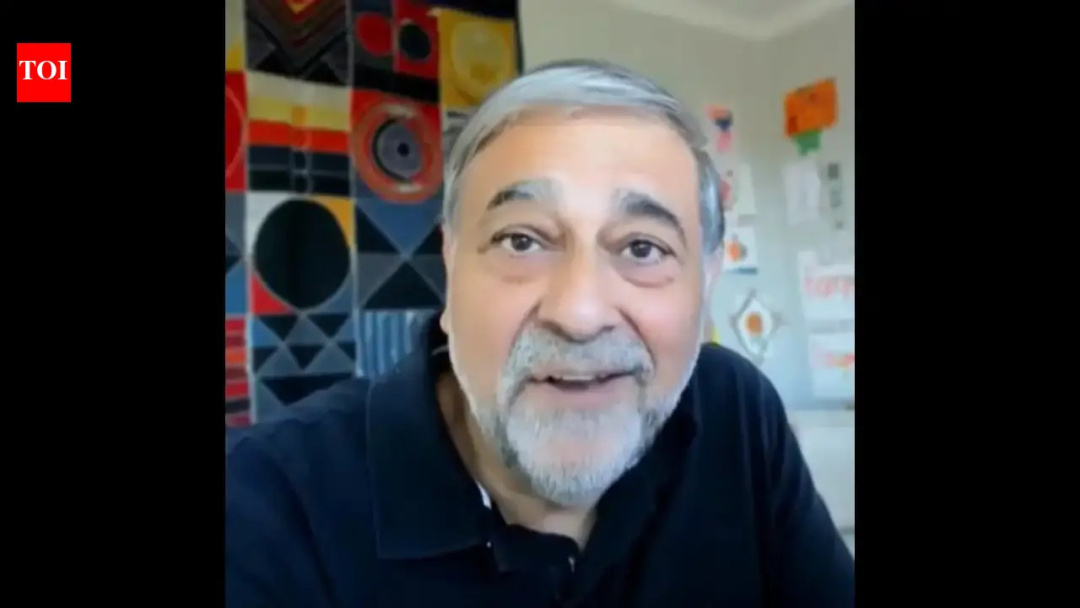
Vivek Wadhwa, an Indian-American tech entrepreneur and academic, recently made headlines by asserting that a significant portion of H-1B visa holders may have falsified their educational credentials. In a podcast with Mark Halperin, Wadhwa stated that he estimates between 20-25% of individuals who enter the United States on H-1B visas are frauds, primarily due to the prevalence of fake degrees.
Wadhwa highlighted the issue of resume inflation, where staffing companies, often referred to as body shops, recruit foreign workers and misrepresent their qualifications. He explained that these companies bring in employees at lower costs, which can lead to a devaluation of the labor market. "See, what happens is that with every government program, there’s also corruption. First of all, you have people faking their resumes. So you have these body shops who bring people in, and it’s cheap labor. So it’s a fact. It happens," Wadhwa remarked.
Explore on Amazon
Amazon shopping links. As an Amazon Associate I earn from qualifying purchases.
He emphasized the need for US recruiters to scrutinize applications more rigorously, advising them to work only with trustworthy companies rather than body shops that may not verify the authenticity of candidates' degrees. Wadhwa's comments come amid ongoing discussions about the H-1B visa program, which allows US companies to employ foreign workers in specialty occupations.
Wadhwa's Stance on Visa Allocations
Despite his concerns regarding the integrity of the H-1B program, Wadhwa expressed that he does not support increasing the number of H-1B visas available to Indian applicants. Instead, he advocates for an increase in Green Card allocations, citing his own experience of waiting only 18 months for a Green Card, compared to the current average wait time of up to 70 years.
The Real Play
Wadhwa pointed out that many H-1B visa holders who have applied for a Green Card find themselves in a precarious position, unable to change employers without starting the application process anew. This situation, he argues, benefits employers who can maintain lower wages since employees are reluctant to leave their jobs while waiting for their Green Card status to be resolved.
As a Distinguished Fellow at Carnegie Mellon’s School of Engineering and at Harvard Law School, Wadhwa's insights carry weight in discussions about immigration policy and labor market integrity. His allegations regarding the prevalence of fake degrees among H-1B visa holders raise important questions about the effectiveness of the current vetting processes and the broader implications for the US economy.