Students Innovate Against Deepfake Fraud at BIT Mesra Hackathon
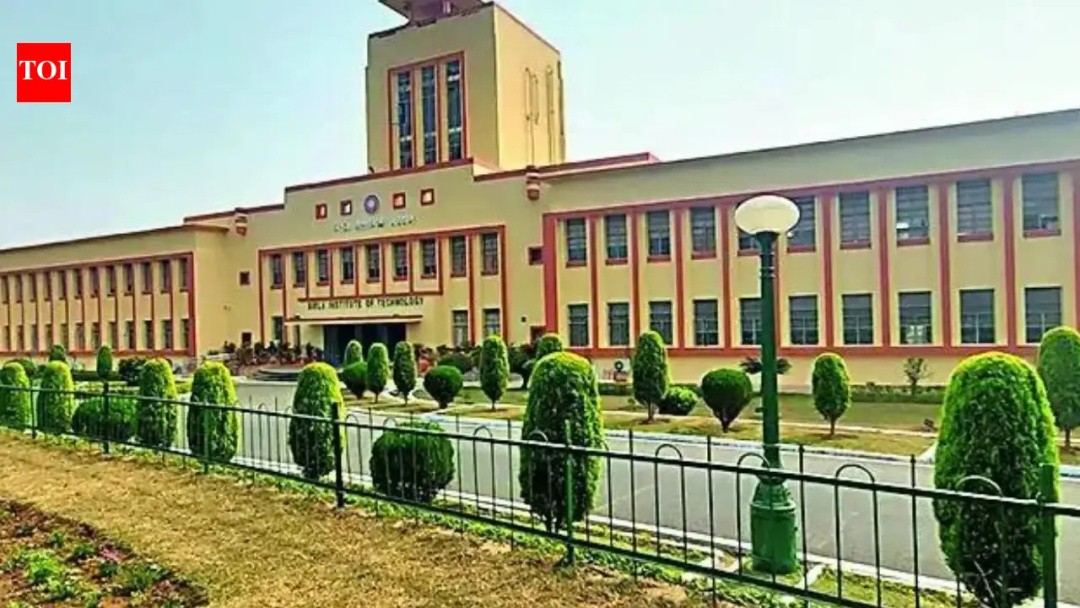
More than 300 students from the Birla Institute of Technology (BIT) Mesra recently engaged in a 24-hour hackathon aimed at tackling significant challenges arising from the rapid adoption of artificial intelligence. This event, named Adrosonic Build, was organized by the technology company Adrosonic and featured 106 teams, each comprised of three students. The hackathon focused on pressing issues such as deepfake-driven insurance fraud and the development of high-precision generative AI systems.
The competition, which began on October 3 and concluded with results announced on October 4, was distinct from traditional coding contests. Participants were tasked with creating solutions to real-world industry problems, including the detection of synthetic identities and the development of AI-powered systems to combat deepfake-based insurance claims. The initiative's broader objective, as explained by Mayank, the founder and CEO of Adrosonic, is to integrate practical industry knowledge and real-world use cases into the academic environment, allowing students to address problems that reflect actual business and societal challenges.
Explore on Amazon
Amazon shopping links. As an Amazon Associate I earn from qualifying purchases.
Faculty members at BIT Mesra emphasized the importance of such platforms, noting that employers increasingly seek graduates who can apply their technical knowledge to complex situations rather than merely demonstrating theoretical understanding. Dr. Manish Kumar Pandey, head of the Digital Innovation Lab and Department of Quantitative Economics and Data Science at BIT Mesra, remarked, "The gap is not in knowledge. It is in applying that knowledge to real-life scenarios, which are more uncertain and complex."
The hackathon is part of an ongoing partnership between Adrosonic and BIT Mesra that began in 2022, leading to the establishment of the Digital Innovation Lab (DIL) in 2024, which received an investment of approximately Rs 5 crore. This facility provides students with access to cutting-edge infrastructure and technologies in artificial intelligence, machine learning, large language models, and data science. Over the past two years, the collaboration has expanded through various initiatives, including fellowship programs and mentorship opportunities, enabling students to engage with professionals and gain exposure to practical technology applications beyond the classroom.
Real-World Applications of AI
Kamlesh Yadav, head of innovation at Adrosonic, highlighted that hackathons like this offer students the chance to test their theories against real challenges while simultaneously building teamwork, problem-solving, and execution skills. The event was inaugurated on October 2, attended by senior faculty members and representatives from Adrosonic, showcasing the collaborative spirit between academia and industry.
As teams raced against the clock to develop and present their working solutions, the hackathon provided a glimpse into how educational institutions are preparing students for an increasingly AI-driven future. The focus on deepfake technology and its potential for fraud underscores the urgent need for innovative solutions in an era where digital deception is becoming more sophisticated and prevalent.
The Future of Fraud Detection
The challenges posed by deepfake technology highlight the necessity for ongoing innovation in fraud detection methods. As the capabilities of AI continue to evolve, so too must the strategies employed to combat the risks associated with digital deception. This hackathon not only fosters creativity among students but also aligns with the industry's growing demand for effective solutions to safeguard against emerging threats in the digital landscape. The outcomes of this event could play a crucial role in shaping future approaches to combating fraud and protecting consumers in an increasingly complex digital world.