Lawsuit Filed to Recover Nazi-Looted Art from California Museum
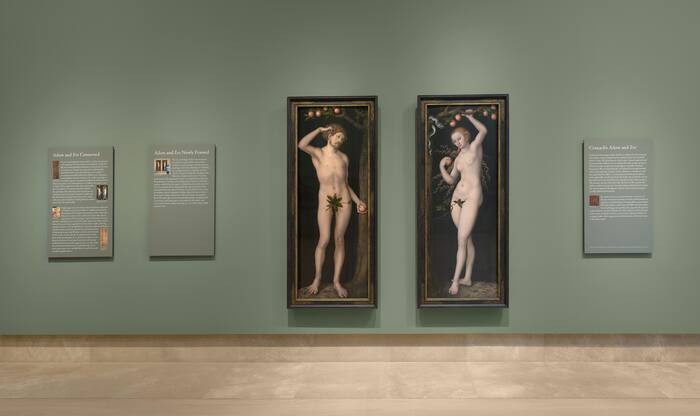
The Jewish Federation of Los Angeles, alongside the heirs of a Jewish artist, has initiated legal proceedings against the Norton Simon Museum in Pasadena, California, seeking the return of two 16th-century oil paintings that were seized by the Nazis. The paintings in question, a life-sized diptych of Adam and Eve by Lucas Cranach the Elder, were originally taken from their Jewish owner, art dealer Jacques Goudstikker, in 1940. The artworks eventually ended up in the possession of Hermann Göring, a high-ranking Nazi official, before being acquired by the museum in 1971.
This lawsuit is one of two filed recently, coinciding with the end of a filing window under a new California law that allows individuals to refile claims for previously dismissed lawsuits concerning looted art. This law specifically addresses cases where artworks were stolen due to political persecution, enabling claimants to seek restitution for personal property taken during the Holocaust.
Explore on Amazon
Amazon shopping links. As an Amazon Associate I earn from qualifying purchases.
In a separate case, the daughters of Holocaust survivor Dina Gottliebova Babbitt are suing the Auschwitz-Birkenau Museum for the return of watercolors she created under duress while imprisoned by Josef Mengele, the notorious physician known for his inhumane experiments on camp inmates. Babbitt, who passed away in 2009, was forced to paint portraits of Roma victims, and her family argues that these works should be returned to them.
Rabbi Noah Farkas, president and CEO of the Jewish Federation of Los Angeles, stated that the organization aims to use proceeds from the sale of the recovered paintings to support impoverished Holocaust survivors living in the Los Angeles area. A 2018 study indicated that approximately one-third of Holocaust survivors in the U.S. live below the poverty line, underscoring the importance of this legal action.
The legal battle over the Cranach diptych is not new; Goudstikker's daughter-in-law, Marei von Saher, first filed a lawsuit against the Norton Simon Museum in 2007, asserting that the paintings rightfully belong to her family. However, a 2018 ruling dismissed her claims on procedural grounds, affirming the museum's ownership.
New Legislative Support for Art Restitution
Recent legislative changes may bolster the case for restitution. Earlier this year, Congress passed a law that removed the principle of "state doctrine," which had previously provided immunity to foreign countries for acts committed within their territories. Additionally, 21 countries agreed to updated guidelines for the restitution of Nazi-looted art, acknowledging that works sold under duress are also considered stolen.
Von Saher expressed gratitude to the Jewish Federation for pursuing the recovery of the Cranach paintings, viewing it as a significant step towards justice for Holocaust survivors. The Norton Simon Museum, however, maintains that it has legal title to the artworks, citing a 2016 court decision that affirmed its ownership.
The Unraveling
The quest for Goudstikker's art began in 1946 when his wife filed a claim in the Netherlands, which faced initial rejection. Although she managed to recover one painting, the majority of the collection remained in Dutch national holdings. Over the years, more than 200 artworks have been returned to von Saher, but the Cranach diptych has remained a point of contention.
The museum's spokesperson emphasized that it will continue to make the paintings accessible to the public, while the legal dispute continues. As these lawsuits unfold, they highlight the ongoing struggle for justice and restitution for victims of Nazi-era thefts, raising questions about the moral responsibilities of institutions holding such artworks.