The FBI's National Stolen Art File: A Digital Gallery of Theft
The FBI's National Stolen Art File (NSAF) serves as a vital repository for tracking stolen artworks, encompassing more than 8,000 pieces of paintings, sculptures, and other culturally significant items that have vanished from galleries, museums, and private collections. This extensive online gallery not only provides descriptions and dimensions of stolen items but also includes photographs when available, though many images are dated and of poor quality, underscoring the tragedy of lost cultural heritage.
Established in 1979, the NSAF began as a paper filing system and has evolved into a publicly accessible database, now available via a mobile app for iOS and Android. Colleen Childers, from the FBI's Art Crime Program, noted, "One of the biggest evolutions for NSAF was making it publicly available. Now, with the new mobile upgrade that we've undergone, we want to continue to push to make it a more user-friendly platform." This app is primarily designed for law enforcement and art industry professionals, but it is also accessible to anyone interested in verifying the provenance of artworks they own or are considering purchasing.
Explore on Amazon
Amazon shopping links. As an Amazon Associate I earn from qualifying purchases.
The NSAF plays a crucial role in the recovery of stolen items, although not all recoveries are reported back to the database. The importance of this file is highlighted by notable cases, such as the recovery of historic artifacts returned to Okinawa and a Monet painting looted by the Nazis, which remains one of the file's most famous listings.
What Went Wrong
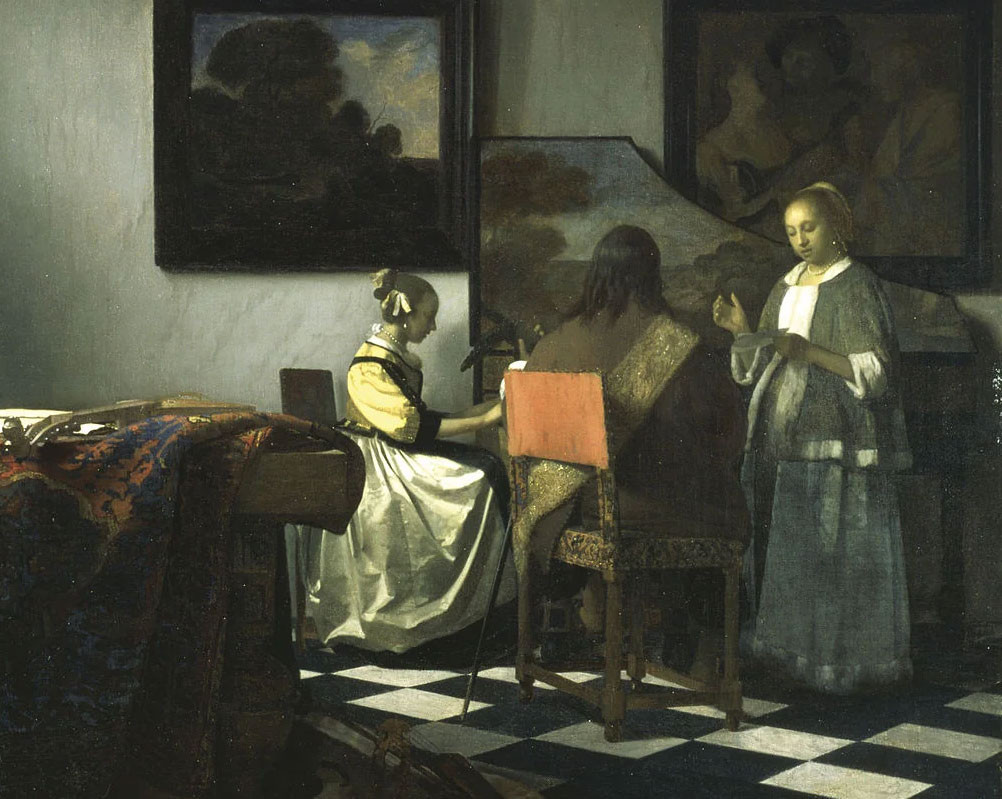
Among the most valuable items listed is Vermeer’s "The Concert," stolen in 1990 from the Isabella Stewart Gardner Museum in Boston, which is estimated to be worth around $250 million. This theft is considered the largest property crime in U.S. history, alongside Rembrandt’s "The Storm on the Sea of Galilee," which was also taken during the same heist and remains missing.
The NSAF's categorization of stolen art includes a wide range of items, from paintings and sculptures to various collectibles. Each entry is a reminder of the ongoing battle against art theft and the need for vigilance in protecting cultural property. As the NSAF continues to expand its reach and improve accessibility, it stands as a testament to the importance of recovering stolen art and preserving cultural heritage for future generations.