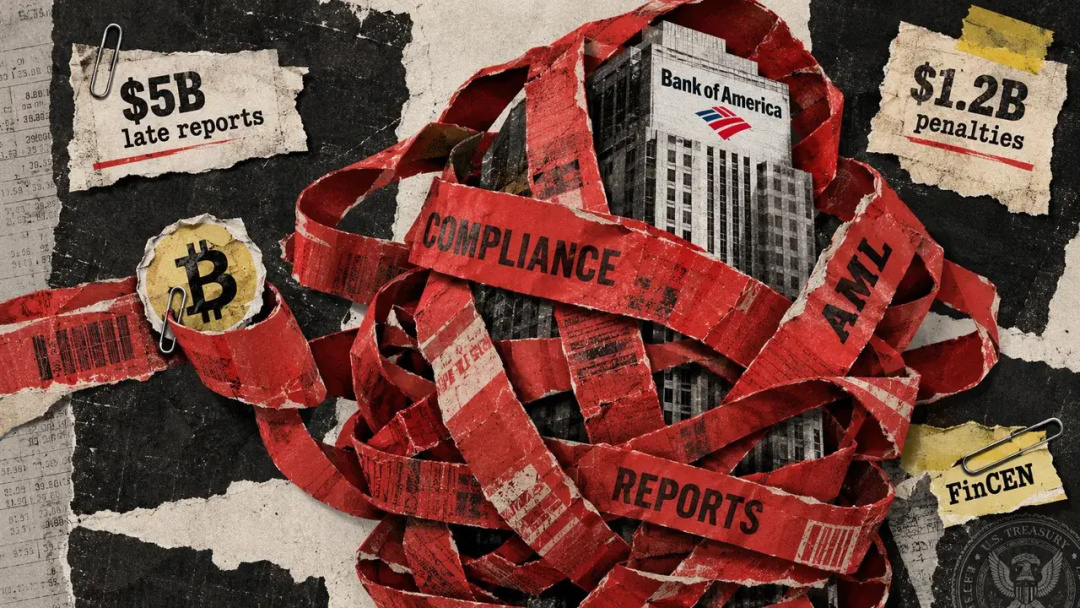
Bank of America Faces $1.21 Billion Fine for Anti-Money Laundering Lapses
Bank of America has been hit with a staggering fine of $1.21 billion by the U.S. Treasury, marking one of the largest penalties ever imposed for failures in anti-money laundering compliance. This fine comes amid increasing pressure on financial institutions to enhance their monitoring systems and ensure that they are not inadvertently facilitating illicit activities.
The Treasury's decision highlights the bank's widespread failures in policing potential money laundering activities. According to the Treasury, these lapses allowed significant amounts of illicit funds to flow through the bank's systems, raising serious concerns about the effectiveness of its compliance protocols. This penalty is part of a broader trend where regulators are intensifying their scrutiny of banks and other financial institutions, demanding higher standards of accountability and transparency.
Explore on Amazon
Amazon shopping links. As an Amazon Associate I earn from qualifying purchases.
In a statement, the Treasury emphasized the importance of rigorous compliance measures in the banking sector, noting that such failures not only undermine the integrity of the financial system but also pose risks to national security. The fine is expected to serve as a wake-up call for other banks, urging them to reassess their own compliance frameworks to avoid similar repercussions.
The implications of this fine extend beyond just Bank of America. Financial analysts suggest that this could lead to a ripple effect across the banking industry, prompting other institutions to bolster their anti-money laundering efforts. As regulators continue to tighten their grip on compliance, banks may face increased operational costs associated with implementing more robust monitoring systems.
The Broader Impact on the Financial Sector
With Bank of America now facing this monumental penalty, the question arises: how will this influence the broader financial landscape? Many experts believe that this could lead to a shift in how banks approach compliance. Institutions may begin to invest more heavily in technology and personnel dedicated to monitoring transactions and identifying suspicious activities.
Moreover, this incident reinforces the notion that regulators are not willing to tolerate complacency when it comes to money laundering. As banks navigate the complexities of compliance, they may also need to contend with the reputational damage that accompanies such fines. The fallout from this penalty could lead to increased scrutiny from investors and customers alike, who may question the bank's commitment to ethical practices.
As the financial sector grapples with these challenges, the focus will undoubtedly remain on ensuring that robust measures are in place to prevent the movement of illicit funds. The ramifications of Bank of America's fine serve as a stark reminder of the ongoing battle against money laundering and the critical role that financial institutions play in safeguarding the integrity of the global financial system.
What Lies Ahead for Compliance Standards
Looking forward, it is clear that the landscape of compliance within the banking sector is evolving. The significant penalty imposed on Bank of America may catalyze a broader movement towards stricter regulations and enhanced oversight. As banks strive to adapt to these changes, the emphasis will likely shift towards proactive measures that prioritize transparency and accountability.
In conclusion, the fine levied against Bank of America not only highlights the bank's failures but also serves as a crucial turning point for the financial industry as a whole. With regulators poised to ramp up their enforcement efforts, the onus will be on banks to ensure they are equipped to meet the demands of an increasingly complex regulatory environment.