U.K. Imposes Sanctions on Cryptomus for Money Laundering Activities
The United Kingdom has taken a decisive step against Cryptomus, a cryptocurrency platform described as a major conduit for payments associated with ransomware, narcotics, and cybercrime. On October 8, the U.K. government issued sanctions against Cryptomus, previously known as Certa Payments and Xeltox Enterprises, which is believed to help Russia circumvent financial restrictions. These sanctions freeze any assets held by Cryptomus in U.K. banks and prohibit British companies from conducting business with the platform.
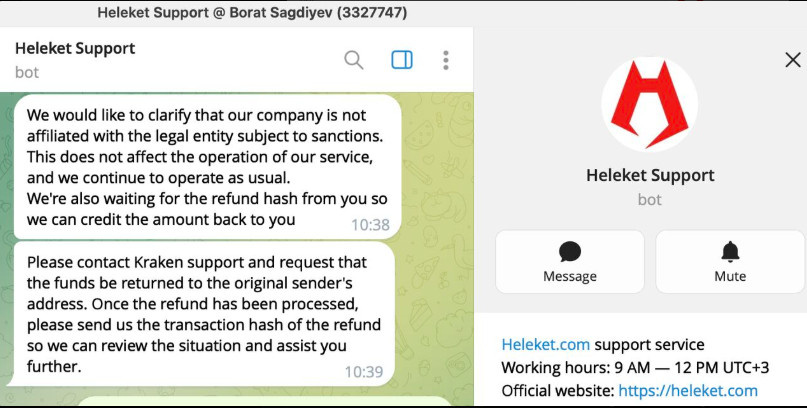
The sanctions also extend to other virtual payment platforms, including VexPay, TokenSpot, and Tsunami Payments. According to a December 2024 investigation, Cryptomus has been a crucial payment processor for numerous Russian cryptocurrency exchanges and websites offering cybercrime services. Since its emergence in 2022, the platform has changed its name multiple times, most recently rebranding to “Heleket” following a substantial fine imposed by Canada for anti-money laundering violations.
Explore on Amazon
Amazon shopping links. As an Amazon Associate I earn from qualifying purchases.
Blockchain analysis firm Chainalysis noted that the U.K. sanctions target the broader infrastructure that supports Russia's wartime economy. They highlighted that Cryptomus and Heleket have become significant hubs for illicit financial activity, processing more illicit funds than other services in their dataset. In late 2025, the number of illicit counterparties associated with these platforms surged to over 900 in just one month.
In April 2026, TRM Labs reported that Cryptomus had processed over $7 billion in transactions since its inception, including those linked to serious crimes such as child exploitation and terrorism. Following the introduction of new “know your customer” (KYC) rules, the platform's transaction volume dropped significantly, prompting it to launch Heleket as a parallel service that continued to offer no-KYC payment processing.
Richard Sanders, a blockchain analyst who has extensively investigated Cryptomus, emphasized the importance of these sanctions. Unlike Canada’s previous fines, which were difficult to enforce, the U.K. sanctions effectively halt the platform's operations. Sanders noted that a fine does not prevent a cryptocurrency processor from continuing its activities, but sanctions can dismantle their operations entirely.
First Sanctions Among Five Eyes Nations
The sanctions are particularly noteworthy as they represent the first instance of a Five Eyes country sanctioning a cryptocurrency operation incorporated in another Five Eyes jurisdiction. This raises questions about the legitimacy of such platforms and the regulatory frameworks that allow them to operate internationally.
Cryptomus's parent company, Certa Payments, is linked to a 25-year-old Ukrainian woman who oversees multiple firms, including a regulatory body that claims to license cryptocurrency and gaming businesses in the disputed region of Western Sahara. This complex web of ownership and regulatory oversight raises further concerns about the legitimacy of the operations conducted by Cryptomus and its affiliates.
As the U.K. moves to enforce these sanctions, the implications for the cryptocurrency landscape are profound. The actions against Cryptomus may serve as a precedent for future regulatory measures targeting other platforms involved in illicit financial activities. The sanctions not only aim to disrupt the financial networks supporting Russian aggression but also signal a growing recognition of the need for stringent oversight in the rapidly evolving world of cryptocurrencies.
The Real Play
While the sanctions against Cryptomus are a significant development, they also highlight the challenges regulators face in addressing the complexities of digital currencies. The ability of platforms to quickly rebrand and evade regulatory scrutiny complicates enforcement efforts, raising questions about the effectiveness of current regulatory frameworks in curbing illicit financial activities in the cryptocurrency space.
The U.K.'s actions may prompt other nations to reevaluate their approaches to cryptocurrency regulation, particularly in relation to entities that facilitate money laundering and other financial crimes. As the landscape continues to evolve, the need for international cooperation and robust regulatory mechanisms will be essential in combating the misuse of cryptocurrencies for illicit purposes.