Bank of America Hit with $1.2 Billion Penalty for Anti-Money-Laundering Failures

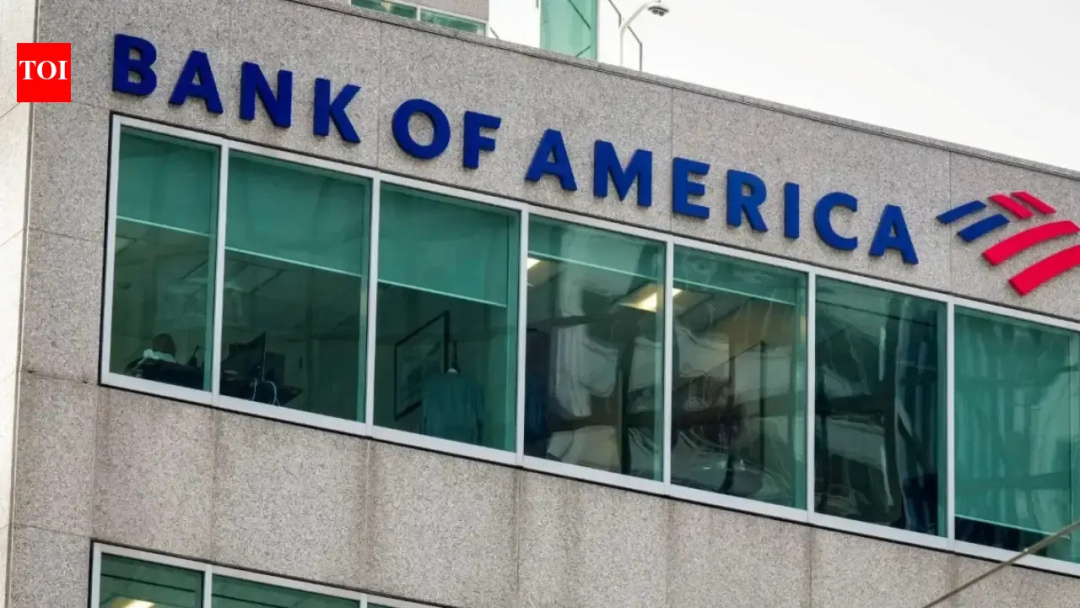
The U.S. Department of the Treasury (USDT) has levied a staggering $1.2 billion penalty against Bank of America (BofA) for significant failures in its anti-money-laundering (AML) practices. This fine marks the third-largest penalty in the history of the department, underscoring the gravity of BofA's compliance shortcomings. The action was announced just before the bank's third-quarter earnings call, adding pressure to an already scrutinized financial institution.
According to the USDT, BofA prioritized revenue generation at the expense of compliance resources, relying heavily on law enforcement inquiries and external requests instead of implementing robust internal controls. The department revealed that the bank allowed suspicious activities to pile up without proper investigation, filed suspicious activity reports late, and failed to account for customers heavily dependent on payments from unknown third parties. Essentially, BofA outsourced a significant portion of its detection and reporting responsibilities to third parties, a move that proved detrimental to its compliance efforts.
Explore on Amazon
Amazon shopping links. As an Amazon Associate I earn from qualifying purchases.
The Office of the Comptroller of the Currency (OCC) echoed these concerns, stating that BofA's transaction monitoring system inadequately assessed trillions of dollars in transactions. The OCC noted that the bank had been aware of its failures to escalate potentially suspicious activities for years. Comptroller Jonathan Gould remarked that the bank's egregious violations of the Bank Secrecy Act (BSA) warranted the imposition of the largest civil money penalty ever assessed against a bank by the OCC.
In a detailed report, the USDT's Office of Foreign Assets Control (OFAC) identified 475 apparent sanctions violations, including transactions routed through blocked banks and designated individuals. Despite the severity of these violations, the agency deemed them non-egregious. The OCC had previously issued a cease-and-desist order against BofA for BSA and sanctions deficiencies, highlighting the bank's failure to file suspicious activity reports promptly and to rectify known deficiencies in its customer due diligence processes.
Regulatory Discussions Amid Compliance Failures
Following the cease-and-desist order in December 2024, BofA disclosed ongoing discussions with various federal regulators regarding its BSA, AML, and sanctions compliance programs. However, the USDT reported that even after agreeing to the 2024 order, the bank continued to neglect its compliance obligations, allowing suspicious activities to go unreported for extended periods.
The contrast between the earlier cease-and-desist order and the hefty fine announced recently illustrates a troubling trend in BofA's compliance culture. This hefty penalty, which constitutes about 15% of the bank's expected quarterly earnings, has raised eyebrows among investors and analysts alike, especially in light of the bank's recent performance and stock fluctuations.
Follow The Money
BofA's settlement is notably smaller than the penalties faced by TD Bank, which pleaded guilty to BSA and money-laundering conspiracy charges and agreed to approximately $3 billion in penalties. Unlike TD, BofA did not receive an asset cap but will undergo a third-party lookback and independent reviews of its monitoring and due diligence processes, particularly concerning high-risk areas such as the southwest border and international sanctions.
As the financial landscape continues to evolve, the scale of this penalty against the nation's second-largest bank raises critical questions about the effectiveness of current AML regulations and the broader implications for the banking sector. This case serves as a stark reminder of the ongoing challenges banks face in balancing compliance with operational efficiency, particularly in a climate where regulatory scrutiny is intensifying.