Romance Scams Exploit War in Ukraine, Targeting Unsuspecting Men
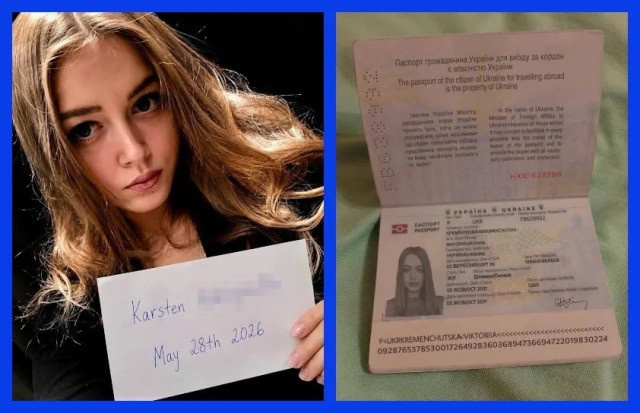
A large-scale online scam has emerged, exploiting the ongoing war in Ukraine and the suffering it inflicts on civilians to extract money from men seeking romantic partners. An investigation by the Kyiv Independent uncovered numerous cases where scammers used stolen photographs and forged documents, posing as Ukrainian women allegedly trapped in Russian-occupied territories, soliciting financial assistance to escape and meet their online suitors.
The investigation focused on 58 cases referred by the non-profit organization Helping to Leave, which aids individuals attempting to flee Russian-occupied areas, including Zaporizhzhia, Kherson, Donetsk, and Luhansk. The findings revealed that many of the women purportedly in need of rescue were not located in those regions, and in several instances, their identities were entirely fabricated.
Explore on Amazon
Amazon shopping links. As an Amazon Associate I earn from qualifying purchases.
Typically, the scammers built trust with their victims by establishing personal relationships and sharing increasingly dramatic stories about their dire circumstances. Once the men became emotionally invested, they were asked for money to facilitate their escape, obtain travel documents, or cover other supposed expenses. One victim reported losing €2,500, while another sent approximately €9,000.
Stefan, a 48-year-old Austrian man, sought a partner from Ukraine, having previously been in a relationship with a Ukrainian woman. He met a woman named "Alona Panchenko" on the dating site Christian Cupid, who claimed to live in Enerhodar, a city under Russian occupation. After three months of email exchanges, during which they never spoke on the phone or had a video call, "Alona" claimed she could only communicate through an old tablet due to the conditions in her area.
As their correspondence continued, her narrative grew more desperate. She claimed to be unemployed, out of money, and even hospitalized from severe exhaustion after going without food. Eventually, she requested financial help to escape the occupied territory. To make her story more credible, she sent photographs she claimed depicted her life in Enerhodar. However, the investigation found these images were traced back to another woman's profile, while others were manipulated using AI. Even the identity document she sent contained an invalid number and an altered photo.
Stefan's suspicions were raised when she instructed him to send money via Western Union, asking him to list Ukraine as her country of residence, despite her claims of being in an area where Western Union does not operate. He ultimately decided against sending money, but many others were not as fortunate.
Unusual Requests Amidst Humanitarian Efforts
Since 2022, Helping to Leave has received thousands of requests from individuals seeking to escape occupied territories. However, the organization began receiving unusual requests from men abroad asking for assistance in rescuing Ukrainian women they had met online. Some had already sent money, believing they were financing the women's escape, only to find that the promised meetings never occurred.
Another victim, Karsten R., encountered a similar situation with a woman named "Victoria Kremenchutska," who claimed to be trapped in Russian-occupied territory. She avoided video calls and requested money for various expenses related to her escape. Despite uncovering inconsistencies in her story, Karsten found it challenging to sever ties, having already sent a total of €2,500 before realizing he was being scammed.
The Kyiv Independent's investigation utilized facial recognition tools and public online sources to analyze the 58 cases. They found that of the 22 profiles using real photographs, only seven matched the names of the women pictured. In many cases, the women lied about their locations, living either in government-controlled areas or abroad, rather than in occupied territories.
The scammers often avoided video calls, citing unreliable internet connections or outdated devices. Conversations typically moved to email or messaging apps, with many of the provided phone numbers proving invalid. When victims demanded proof, scammers would send manipulated images or fake documents, further complicating efforts to identify the individuals behind the scams.
The Unraveling
The investigation also revealed that many of the women requested payments through services like Western Union and PayPal, often using names from their dating profiles as recipients. This practice raised red flags, as sending money to Ukraine for collection in occupied areas was not feasible due to the lack of financial services in those regions.
Ultimately, the investigation highlighted a troubling trend in which the identities of Ukrainian women were exploited in online romance scams, a phenomenon not limited to Ukraine but seen in various countries. Experts recommend that individuals seeking online relationships prioritize live video calls to verify identities and avoid falling victim to such scams. Helping to Leave advises those wishing to assist individuals in occupied territories to contact verified humanitarian organizations rather than sending money to online acquaintances.