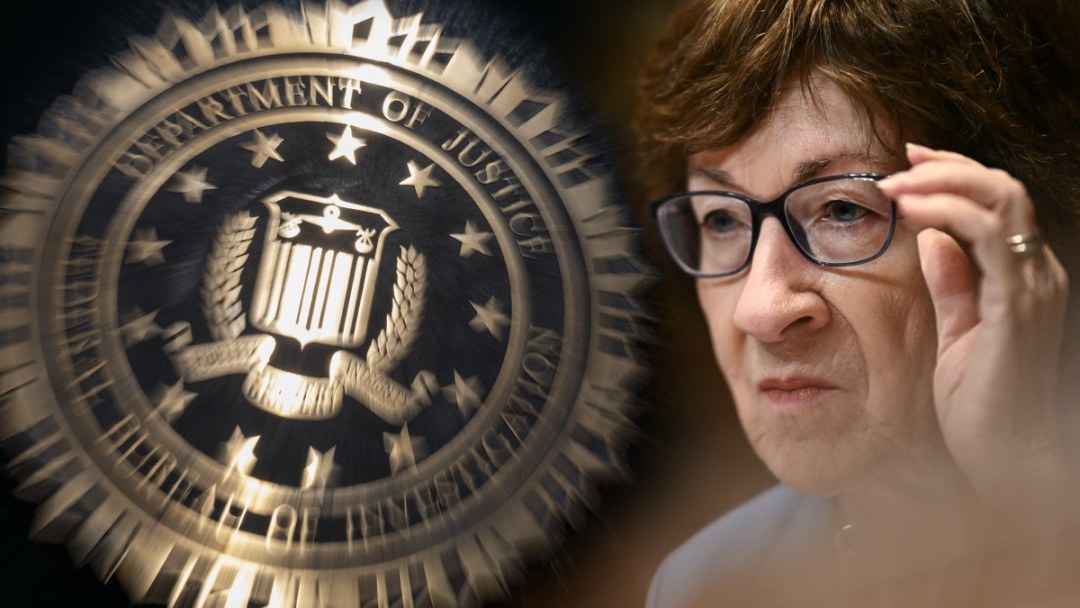
Bribery Allegations Against Graham and Clyburn Amid FBI Investigation
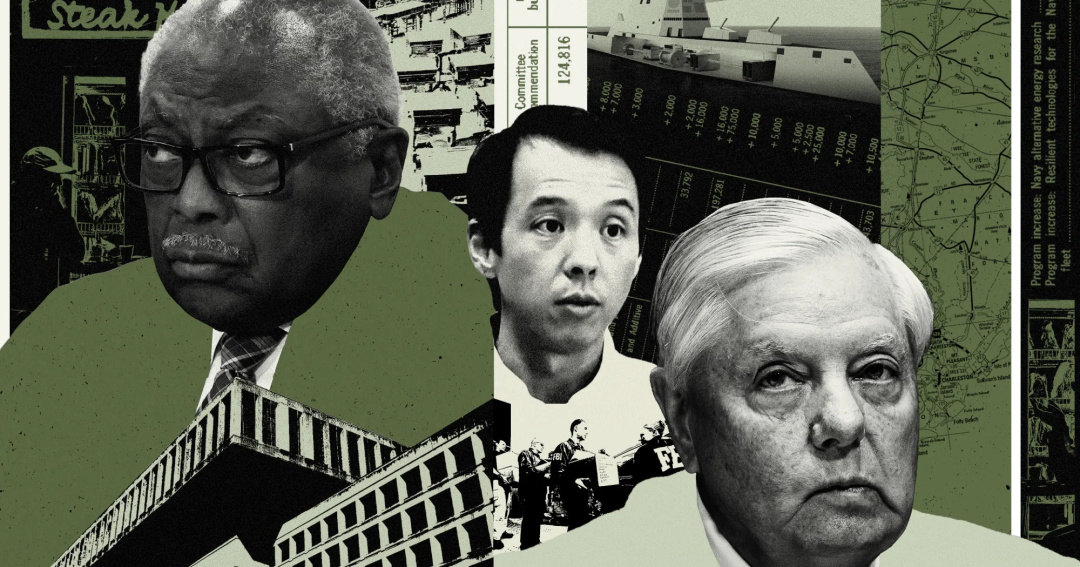
On March 3, 2020, Senator Lindsey Graham met with executives from the Hawaiian naval defense contractor Navatek at a Washington, D.C. steakhouse, a meeting that would become central to a sprawling FBI investigation into bribery on Capitol Hill. Graham, who required $40,000 in campaign contributions for this 45-minute meeting, was reportedly confident that his presence alone would suffice to secure a lucrative government contract for Navatek.
During the dinner, Navatek's CEO, Martin Kao, expressed his belief that Graham would simply need to agree to a deal, stating in an email, "Shoot all he has to really do is stop by and say ‘yes.’" Following the meeting, Kao recounted to the FBI that Graham had agreed to direct a $10 million government contract to Navatek in exchange for a total of $100,000 in campaign contributions.
Explore on Amazon
Amazon shopping links. As an Amazon Associate I earn from qualifying purchases.
In early 2025, the FBI opened a formal investigation into the bribery allegations, with Kao admitting to federal agents that his business model revolved around bribing public officials for government contracts. He claimed that not only Graham but also prominent South Carolina Democrats like James Clyburn and Republican Joe Wilson were involved in similar cash-for-contracts arrangements. Kao detailed how Graham explicitly stated the financial terms of their agreement, leaving little room for misinterpretation.
However, the investigation faced significant obstacles when President Donald Trump dismantled the specialized FBI and DOJ teams focused on public corruption, effectively halting the inquiry into Kao's allegations. The two agents who had been investigating the case were removed, and the prosecutor assisting them resigned after being instructed not to pursue any new corruption cases. As a result, the investigation into Graham, Clyburn, and Wilson has not advanced, leaving the allegations largely unexamined.
ProPublica's investigation, which involved reviewing thousands of documents and conducting numerous interviews, revealed the intricate details of the bribery scheme. Kao, who had previously served time for campaign finance violations, claimed that his dinner with Graham was part of a broader strategy to position Navatek as a major defense contractor. The company had previously relied on connections with powerful politicians and had been known to secure government contracts through generous campaign donations.
Legal Challenges in Proving Bribery Claims
In the wake of the investigation, Kao's admissions could potentially constitute a vast bribery scheme, but proving these allegations in court remains a challenge, particularly given recent Supreme Court rulings that complicate corruption prosecutions. Despite the gravity of the charges, the FBI has not designated Graham, Clyburn, or Wilson as subjects of the investigation, although their interactions with Kao were under scrutiny.
Graham, who passed away earlier this year, had his sister appointed to fill his Senate seat, while Clyburn remains a powerful figure in Congress, credited with influencing key political outcomes. Both politicians have denied any wrongdoing, with Clyburn's office asserting that donations do not influence his support for educational institutions in his district.
Kao's claims paint a picture of a corrupt system where campaign contributions are exchanged for political favors, raising serious questions about the integrity of the political process. As the investigation stands, it highlights the challenges of prosecuting corruption in a climate where political influence can stymie accountability.
The Fallout from the Investigation
The fallout from the investigation into Kao's allegations has left many questions unanswered. While Kao himself is serving time for his fraudulent activities, the politicians involved have largely escaped scrutiny. The details of the bribery scheme, including the campaign contributions made after contracts were secured, suggest a troubling pattern of behavior that undermines public trust in elected officials.
As the political landscape continues to evolve, the implications of this investigation remain significant. The lack of accountability for those in power raises concerns about the future of ethical governance and the potential for similar schemes to persist unchecked. With the investigation effectively stalled, the question remains: will there ever be a reckoning for the alleged corruption that has come to light?