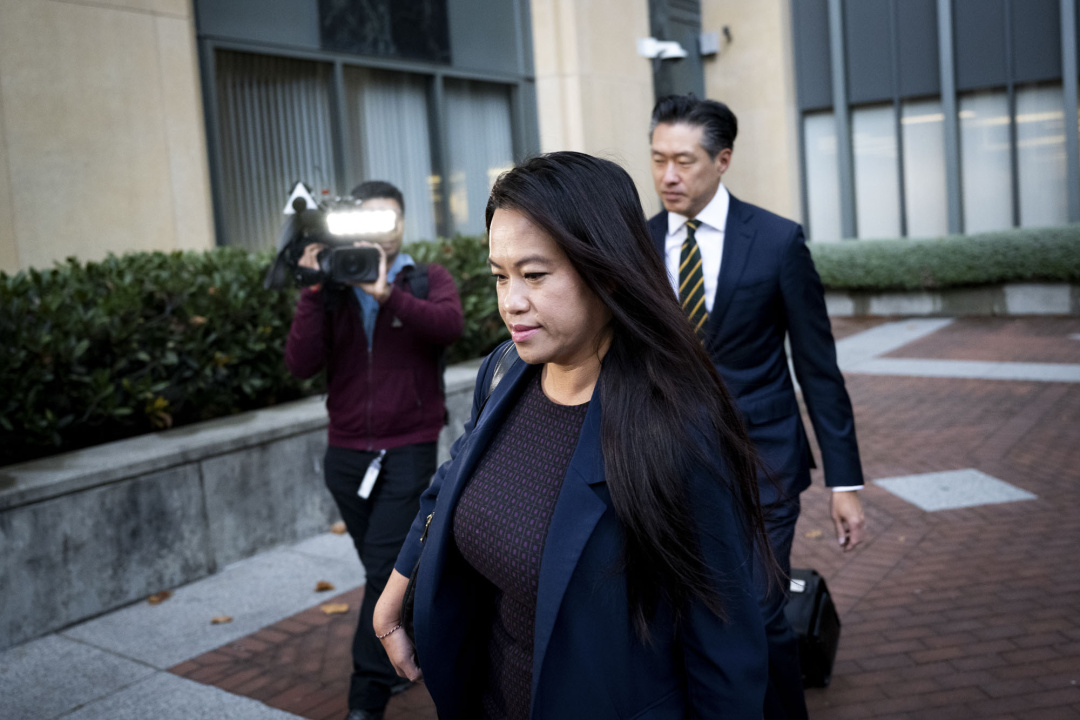
Former Oakland Mayor Sheng Thao Faces Federal Corruption Charges
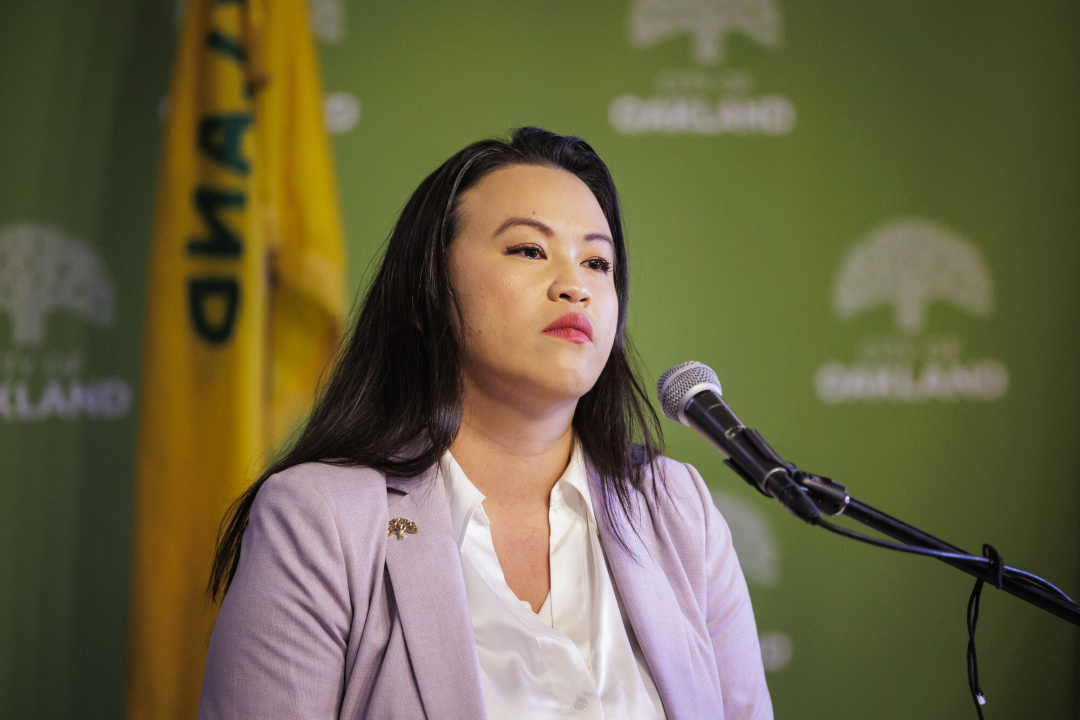
The federal corruption trial against former Oakland Mayor Sheng Thao commenced recently, with opening statements highlighting the serious allegations she faces. Thao, alongside her three co-defendants—Andre Jones, David Doung, and Andy Doung—are charged with conspiracy and bribery in a case that has drawn significant public interest due to its implications for local governance and political integrity.
Prosecutors allege that Thao and her co-defendants engaged in a quid pro quo scheme. This arrangement purportedly involved advancing the business interests of the Doung brothers in exchange for financial contributions and support for Thao’s campaign during her bid for mayor in 2022. The prosecution's case centers on the assertion that Thao leveraged her position to benefit private interests while undermining public trust.
Explore on Amazon
Amazon shopping links. As an Amazon Associate I earn from qualifying purchases.
During the trial, the prosecution is expected to present evidence that illustrates the connections between Thao's political actions and the financial support she received. This evidence will be crucial in establishing the nature of the alleged conspiracy and whether Thao's actions constituted a breach of her public duties.
The trial has sparked discussions about the broader implications of political corruption in local government. Observers are closely watching how this case unfolds, particularly in light of the growing concerns over transparency and accountability among public officials.
As the trial progresses, both the defense and prosecution will have opportunities to present their arguments. Thao's defense team is likely to challenge the prosecution's claims, arguing that the evidence does not support the allegations of wrongdoing. The outcome of this trial could have lasting effects on Thao’s political career and the public's trust in local governance.
Potential Consequences for Local Governance
The ramifications of the trial extend beyond Thao herself. Should she be found guilty, it could set a precedent for how similar cases are handled in the future. The trial also raises questions about the ethical boundaries of political fundraising and the influence of private interests in public office.
As the proceedings continue, many are left wondering how this case will impact the political landscape in Oakland and whether it will inspire reforms aimed at curbing corruption. The trial is not just about Thao; it represents a critical moment for accountability in local government.
The Unraveling
In conclusion, the trial of Sheng Thao highlights the complexities of navigating political power and ethical governance. As the evidence is presented, the court will have to determine the validity of the allegations against her and her co-defendants. The outcome will undoubtedly influence public perception of political integrity in Oakland and may lead to calls for stricter regulations on political contributions and lobbying practices.