Trump's Midterm Promises Raise Bribery and Extortion Allegations
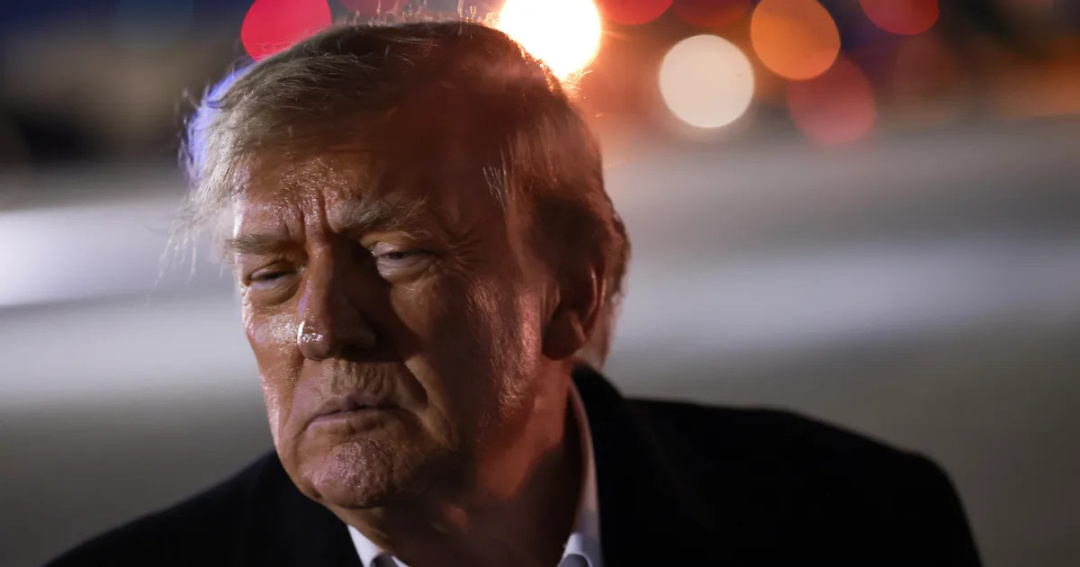
Former federal prosecutors have weighed in on President Donald Trump's recent campaign rhetoric, asserting that his promises of cash and threats to withhold federal benefits based on the outcomes of the upcoming midterm elections could constitute bribery and extortion. These allegations highlight a troubling intersection of political maneuvering and legal boundaries, suggesting that Trump's actions may not only be unethical but also impeachable.
Ty Cobb, a former federal prosecutor who served as White House Counsel during Trump's first term, stated, "It is bribery. It is also impeachable." Cobb's comments reflect a broader concern among legal experts regarding Trump's long-standing business practices, which he claims have relied on similar tactics for decades.
Explore on Amazon
Amazon shopping links. As an Amazon Associate I earn from qualifying purchases.
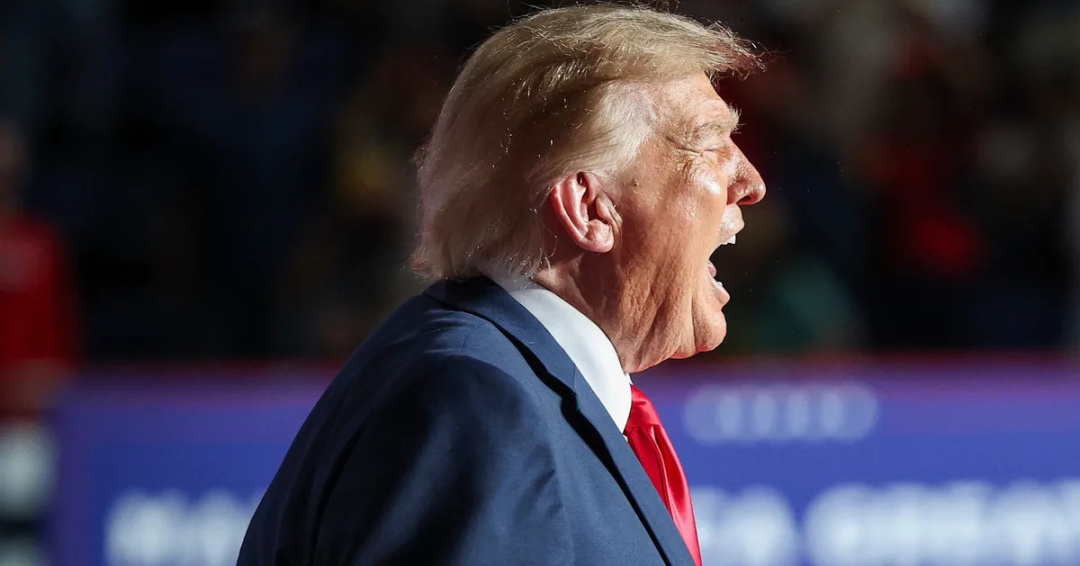
As Trump rallies support in Republican strongholds, he has repeatedly promised $5,000 in cash to voters who comply with his demands to vote Republican. This offer, first made at a GOP event in September, has been echoed at subsequent campaign stops. In a rally in Dalton, Georgia, on October 16, Trump stated, "If you elect a Republican House and Republican Senate on Nov. 3, you get $5,000. If we lose, you get absolutely nothing."
The implications of Trump's statements extend beyond mere promises of cash. He has also indicated that certain federal benefits, such as infrastructure projects and government funding, would be contingent upon Republican victories in the midterms. For instance, during a rally in Vandalia, Ohio, Trump claimed that a planned U.S. Space Academy would only be established if Republicans win. Similarly, he promised a $100 million investment in a pharmaceutical plant in Kentucky, conditional on a Republican victory.
Legal Experts Weigh In on Allegations
Legal experts like Norm Eisen, who served as the top ethics lawyer in the Obama administration, have labeled Trump's cash promise as "coercive vote-buying." Eisen further criticized Trump's threats regarding funding for veterans' health claims related to water contamination at Camp Lejeune, likening it to mob-style extortion. He stated, "Weaponizing public funds to buy the American electorate is immoral, undemocratic, and almost certainly unlawful."
Trump's administration has not responded to inquiries regarding these allegations, but he has continued to reiterate his threats at rallies, suggesting that funding would be withheld if Republicans do not perform well in the elections. Legal experts have pointed to two federal statutes that may apply to Trump's actions: the Hobbs Act, which prohibits extorting something of value in exchange for an official act, and another law that prohibits offering payments to influence voting behavior.
Who Knew What
While the Justice Department has historically refrained from prosecuting sitting presidents, Trump's actions could be pursued as impeachable offenses. Glenn Kirschner, another former federal prosecutor, noted that Trump might face criminal prosecution after leaving office, as his recent conduct appears more aligned with that of a political candidate rather than the president of the entire country.
Despite these serious allegations, Trump's promises do not seem to be translating into political gains. Polls indicate that his party is trailing in generic ballot surveys, and a recent YouGov/The Economist survey found that only 22% of likely voters believe Trump would actually deliver on his promised cash payments. The unfolding situation raises critical questions about the legality and ethics of Trump's campaign strategies as the midterm elections approach.