Milwaukee Man Sentenced for Mail Theft and Money Laundering Scheme
A Milwaukee man has been sentenced to probation after pleading guilty to a money laundering scheme that revolved around stealing checks from the mail. Mario Casey, 29, faced five felony charges but ultimately pleaded guilty to conspiracy to commit money laundering and forgery, with the other charges dismissed as part of a plea agreement.
Initially, Milwaukee County Judge Jay Pucek sentenced Casey to prison time for forgery but later stayed that sentence, opting instead for three years of probation. He was credited with time served in the Milwaukee County Community Reintegration Center for his money laundering activities.
Explore on Amazon
Amazon shopping links. As an Amazon Associate I earn from qualifying purchases.
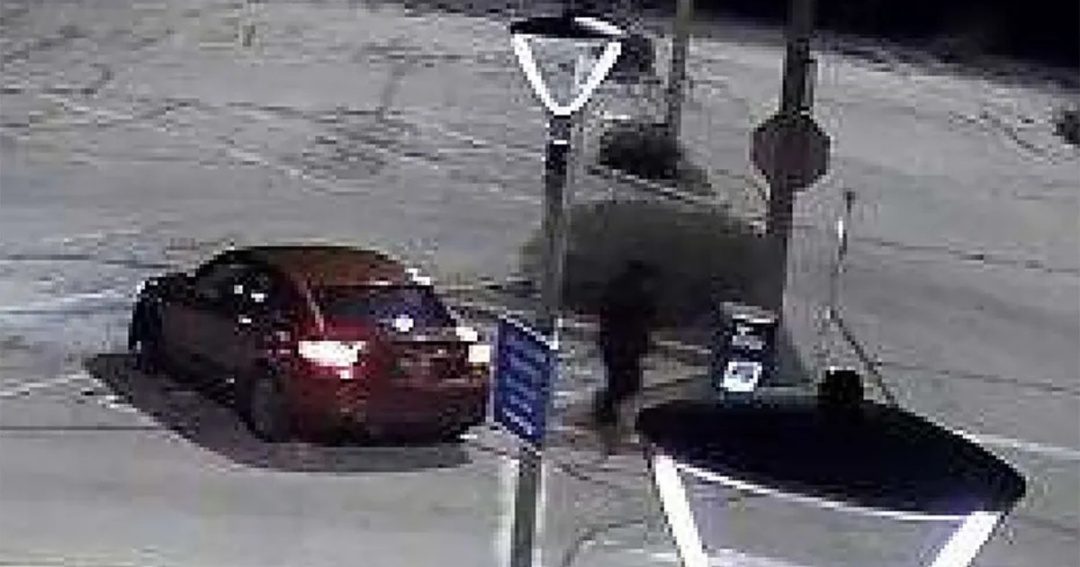
The case began when Wauwatosa's city assessor reported that checks had been stolen from a U.S. Postal Service mailbox located outside City Hall. Surveillance footage revealed a red Chrysler, identified as Casey's vehicle, near the mailbox on nine occasions, predominantly in the early morning hours of March. During these incidents, individuals were seen using a mail key to access the mailbox and remove the mail.
On April 4, police set up an operation to apprehend the suspect. The red Chrysler was observed pulling into the City Hall parking lot, and shortly after 3 a.m., Casey was arrested while alone in the car. Officers discovered a mailbox key in his jacket pocket, raising suspicions about his intentions.
During an interview with detectives, Casey's explanations were inconsistent and unconvincing. He initially claimed he was merely at the mailbox to send mail but later admitted to stealing from it. He also confessed to stealing from another mailbox at 63rd and Bluemound, stating that he had taken over 800 pieces of mail in total over several months.
Details of the Stolen Checks Scheme
Casey revealed that he sent photographs of the stolen checks to an associate known as "Oxy," who would pay him $100 for each check. He estimated that he had made several thousand dollars from this illicit operation. Interestingly, he claimed to have resealed and returned certain types of mail, such as death certificates or birthday cards, because he felt guilty about stealing from people.
The case highlights a troubling instance of mail theft and the broader issues of financial crime that can stem from such deceptive practices. As Casey serves his probation, the ramifications of his actions continue to resonate within the community, raising questions about the effectiveness of measures in place to protect against such schemes.
The Scheme's Mechanism and Impact
The investigation into Casey's activities sheds light on the methods employed by individuals engaged in mail theft and money laundering. By utilizing a stolen mailbox key, Casey was able to access and pilfer checks, demonstrating a calculated approach to his criminal endeavors. The ease with which he operated raises concerns about the vulnerabilities in the postal system and the potential for similar crimes to occur in the future.
As authorities continue to address the issue of mail theft, this case serves as a reminder of the importance of safeguarding personal information and financial assets. With the rise of digital communication, the theft of physical mail may seem less prevalent, but incidents like Casey's illustrate that traditional methods of deception remain a significant threat. The community's vigilance and the legal system's response will be crucial in preventing such schemes from taking root again.