DNA Evidence Leads to Recovery of Stolen Renoir Paintings in France
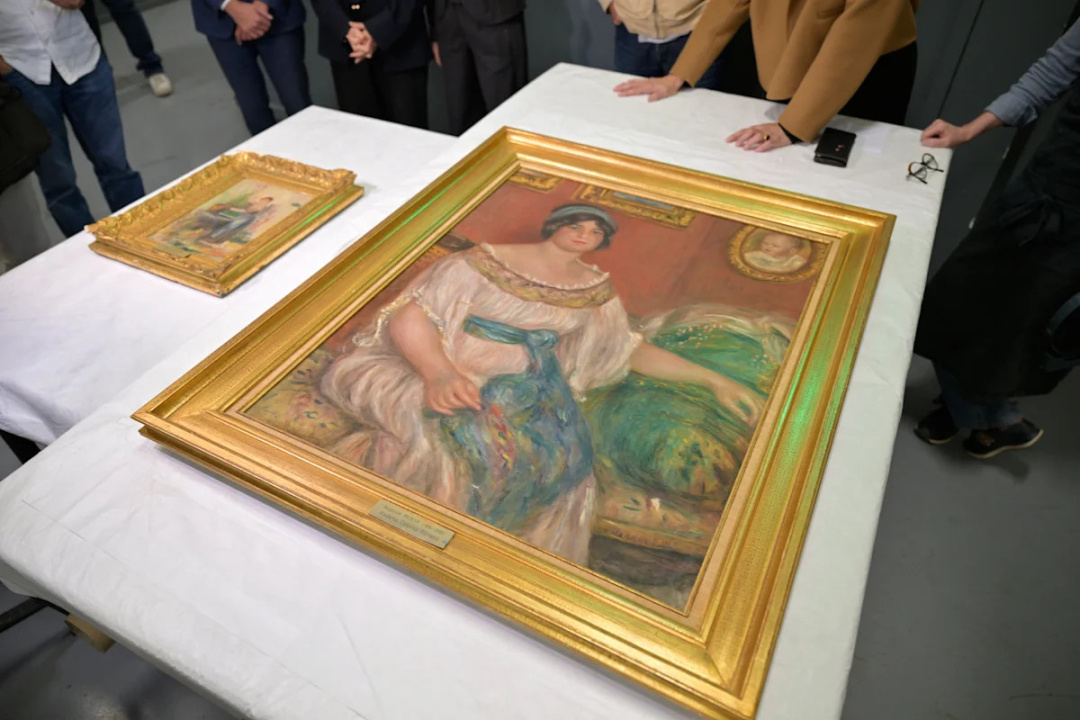
NANTERRE, France (AP) — Investigators in France have successfully recovered two stolen paintings by Pierre-Auguste Renoir, utilizing DNA evidence left on a protective cover and vehicle tracking data. This development comes as part of an ongoing investigation into a September 8 theft from the Renoir Museum located in Cagnes-sur-Mer on the French Riviera, where four men have been charged with organized theft and criminal association, according to Marseille prosecutor Nicolas Bessone.
The recovered artworks include "Portrait of Madame Colonna Romano," which suffered a tear, and "Young Woman at the Well," which had minor damage to its frame. The combined estimated value of these paintings is approximately 4.2 million euros (about $4.7 million).
Explore on Amazon
Amazon shopping links. As an Amazon Associate I earn from qualifying purchases.
The theft was executed with alarming precision; the culprits used an electric saw to cut through a fence, entered the museum through the ground floor, and swiftly cut the clips securing the frames of four paintings. An alarm was triggered, and police responded within four minutes, prompting the thieves to abandon two of the paintings in their haste to escape. The abandoned artworks were later found in a protective sleeve, leading to the breakthrough in the investigation.
The DNA found on the cover matched that of a 29-year-old man who was already under investigation for drug trafficking. This suspect was tracked by police using vehicle data, which revealed that he, along with a 41-year-old accomplice, visited the home of a third suspect shortly after the theft. Surveillance footage also indicated that the 29-year-old visited the Maeght Foundation in Saint-Paul-de-Vence, a renowned modern art collection venue, shortly after the incident.
The investigation has raised significant concerns about the security of cultural heritage sites in France. Christian Sainte, the national director of judicial police, expressed alarm over the frequency of organized criminal groups targeting valuable objects in museums, castles, and galleries across the country. In 2025, there were 23 reported cases of art theft, with about 10 incidents recorded this year alone.
Charges Filed Against Key Suspects
The two primary suspects involved in the museum theft are facing serious charges, including theft committed by an organized gang and criminal association. They have been remanded in custody while the investigation continues. Meanwhile, the third suspect admitted to receiving the stolen paintings and concealing them behind a wall in his home. He has been charged with concealment of stolen property but has been released under judicial supervision, along with a fourth suspect who claimed to have seen photographs of the stolen artworks but did not recognize them immediately.
This incident has reignited discussions about the need for enhanced security measures at cultural institutions in France, particularly following the high-profile theft of crown jewels from the Louvre Museum last year. The Renoir Museum, which was the site of this theft, is significant as it was the final home of the famous Impressionist painter, who lived there until his death in 1919.
Concerns Over Art Theft Security
The recovery of the Renoirs highlights the ongoing battle against art theft in France, where the cultural heritage is frequently under threat from organized crime. The swift actions of law enforcement in this case have been praised, but the underlying issue of security at cultural sites remains a pressing concern. As investigations continue, the implications of this theft extend beyond the immediate recovery of the paintings, raising questions about how to better protect invaluable artworks from future heists.
The theft of these Renoir paintings serves as a stark reminder of the vulnerabilities faced by museums and galleries, prompting calls for more robust security protocols to safeguard cultural treasures. As the investigation unfolds, the art community watches closely, hoping for a resolution that underscores the importance of preserving artistic heritage for future generations.