FBI Seizes Virtualine Domain Linked to Money Laundering and Criminal Hosting
The U.S. Department of Justice (DoJ) has taken significant action against Virtualine, a bulletproof hosting provider (BPH), by seizing its domain due to its alleged involvement in facilitating extensive criminal activities. This operation aligns with the DoJ's ongoing efforts to combat cybercrime and the illicit use of online services.
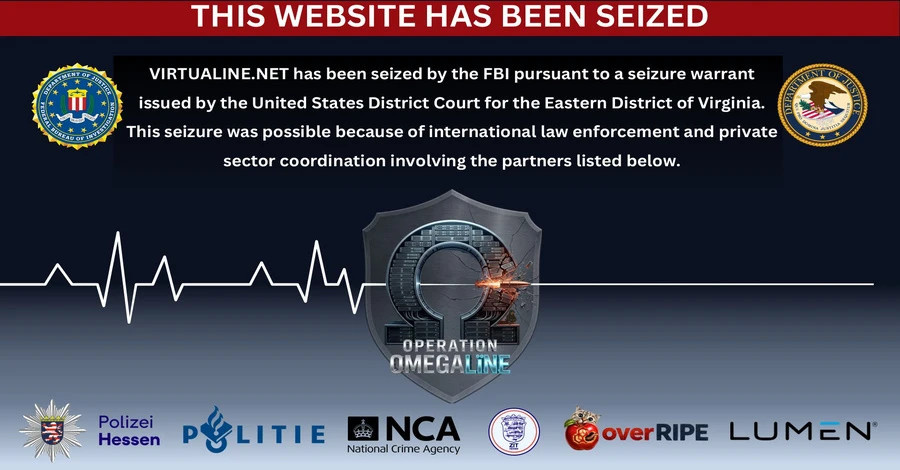
According to the DoJ, Virtualine was implicated in serious offenses, including the advertisement of sexually explicit images of minors, nonconsensual intimate visual depictions, and international money laundering aimed at concealing and promoting criminal conduct. Visitors to the now-seized domain, virtualine[.]net, are met with a notice from the FBI, indicating the domain's seizure as part of a coordinated operation involving international law enforcement agencies, including the Hessen State Police, the National Police Corps of the Netherlands, and the U.K. National Crime Agency.
Explore on Amazon
Amazon shopping links. As an Amazon Associate I earn from qualifying purchases.
Court documents reveal that Virtualine, which also operated under various aliases such as Secury and Massgod, actively marketed its services to criminals on cybercrime forums. The provider claimed its services could be utilized for activities such as phishing, carding, and email spam, while explicitly stating it would not host child-related content or terrorism activities. However, this claim was contradicted by evidence presented in court.
In a June 2025 post on HackForums, Virtualine allegedly boasted about its ability to ignore abuse reports, stating, "Virtualine ignored more abuse than your last three therapists." This cavalier attitude extended to its marketing strategies, which included an "additional protection plan" that promised to relocate clients' criminal infrastructure to a shell company in response to law enforcement inquiries.
Despite claiming to prohibit child-related content, the DoJ's findings indicate that Virtualine knowingly hosted a website identified in court records as Vendor 1, which facilitated the posting and selling of explicit images of minors and adults. The service also offered a hack-for-hire option, allowing users to pay hackers to access victims' online accounts and obtain illicit materials.
Negligence in Compliance and Ethical Standards
The Justice Department highlighted that Virtualine continued to host Vendor 1's services even after receiving multiple notifications from law enforcement agencies in various countries, including Germany, Canada, and Australia. This negligence raises serious questions about the provider's commitment to compliance and ethical standards.
Following the seizure, the operator of Virtualine issued an open letter denying the allegations of knowingly hosting child sexual abuse material (CSAM) and claimed to have acted promptly on requests related to CSAM. The operator insisted on the integrity of customer data and expressed a desire to cooperate with authorities regarding Vendor 1.
In September 2025, the Spamhaus Project reported that Virtualine had expanded its operations, managing to acquire new IP addresses through brokers with lax vetting processes. This adaptability underscores the challenges faced by law enforcement in addressing cybercrime and the resilience of BPHs in evading accountability.
The Mechanisms of Concealment
The DoJ's findings reveal that Virtualine accepted payments in Bitcoin through unhosted wallet addresses, allowing clients to transact without triggering compliance checks at hosted exchanges. Blockchain intelligence firm Chainalysis noted that this payment method provided Virtualine's customers with a way to obscure the origins of their funds, further complicating law enforcement's efforts to trace illicit financial activities.
The consequences of this seizure extend beyond the immediate loss of the Virtualine domain. It highlights the ongoing battle against cybercrime and the financial networks that support it. As law enforcement agencies continue to target BPHs and their operations, the implications for the broader cybercrime ecosystem remain significant, raising questions about the effectiveness of current regulatory frameworks and the need for more robust international cooperation in tackling these issues.