Qatar Denies Allegations of Election Interference in Israel
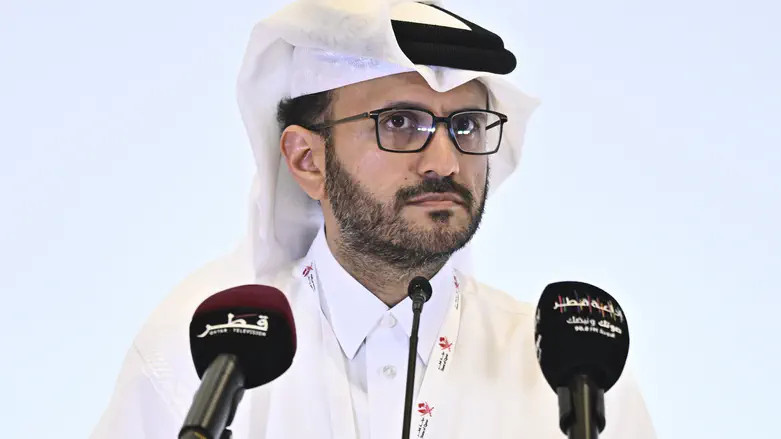
Qatar's Foreign Ministry spokesperson issued a statement on Thursday addressing serious allegations of election bribery involving Qatar and Turkey. The spokesperson categorically denied any claims that Qatar interfered in the Israeli elections or financed activities intended to sway their outcome, describing these accusations as unfounded and part of a disinformation campaign by certain Israeli politicians.
The statement emphasized, "We categorically deny allegations that Qatar interfered in Israel's elections or financed activities intended to influence their outcome." It further criticized the rhetoric used by Israeli politicians, who have accused Qatar of attempting to manipulate various political factions within Israel, including claims of buying influence over Prime Minister Benjamin Netanyahu and the Arab vote. The spokesperson remarked, "If these claims were to be believed, it would appear that Qatar supposedly owns all of Israel."
Explore on Amazon
Amazon shopping links. As an Amazon Associate I earn from qualifying purchases.
Qatar's response highlights a perceived obsession among some Israeli political figures with the country, suggesting that it has become a scapegoat for their political failures. The spokesperson urged Israeli politicians to focus on improving the lives of their constituents rather than diverting attention towards Qatar. The statement continued, "Instead of trying to divert attention toward Qatar, they would do better to focus on their voters, improve people's daily lives, and repair the damage they have caused in the region."
The Foreign Ministry reiterated that Qatar has no involvement in the political competition or elections in Israel, asserting that these matters are internal to Israel and should not involve external interference. The spokesperson stated, "We will not accept any attempt to drag Qatar into its domestic political disputes."
In the statement, Qatar also called for any new Israeli government to respect international law and UN resolutions, particularly regarding the Palestinian issue. The spokesperson insisted on the importance of addressing the rights of the Palestinian people, emphasizing the need for a peaceful resolution and regional stability.
International Relations and Domestic Politics
This situation underscores the complex interplay of international relations and domestic politics, particularly in the context of the Israeli elections. The repeated mention of Qatar in Israeli political discourse raises questions about the motivations behind such accusations and the broader implications for regional diplomacy.
As the allegations continue to circulate, the role of disinformation in shaping political narratives becomes increasingly evident. Qatar's insistence on its non-involvement and the labeling of these claims as disinformation reflect a broader concern about how external actors are portrayed in domestic political struggles. The situation highlights the delicate balance that countries must maintain in navigating accusations that can have significant diplomatic repercussions.
How The Scheme Worked
Ultimately, Qatar's firm stance against the allegations serves as a reminder of the complexities involved in international relations, particularly in a region marked by longstanding tensions and conflicts. The insistence on adhering to international law and supporting the Palestinian cause indicates that Qatar aims to maintain its diplomatic integrity while navigating the challenges posed by external accusations.
As the political landscape in Israel evolves, the implications of these allegations and the responses from foreign governments like Qatar will likely continue to shape discussions around election integrity and international influence.