Charges Filed Against Activists O'Keefe and Higby for Undercover Voting Stunt
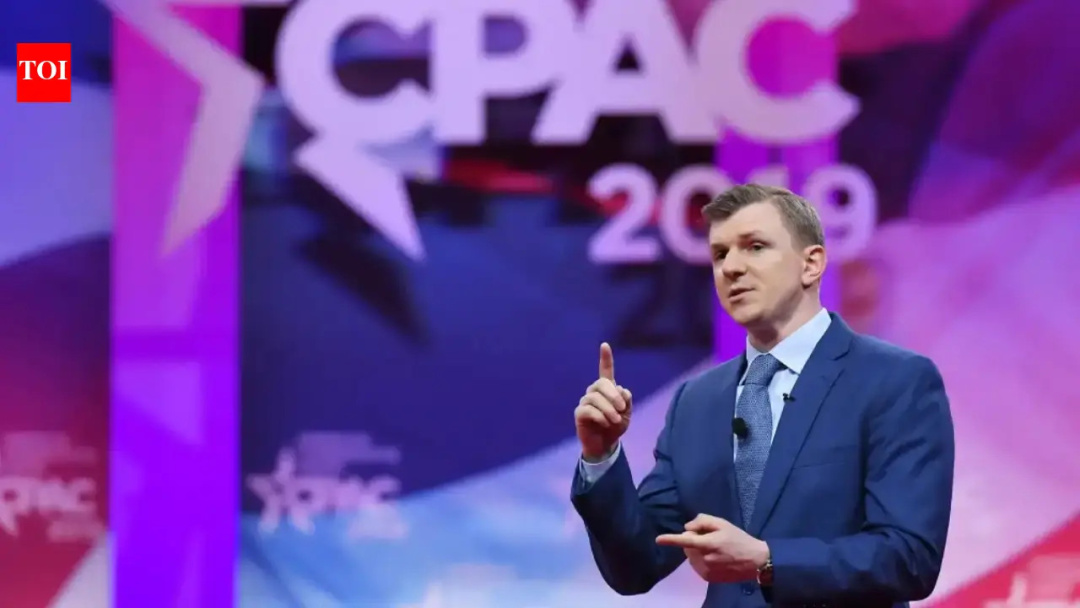
In a controversial case that has drawn attention to election integrity, Minnesota prosecutors have charged conservative activists James O'Keefe and Cam Higby with two felonies: unlawful voting and identity theft. The charges stem from an undercover operation conducted during the August 11 primary election, where the duo visited polling stations, allegedly using the names of registered voters to request ballots. Although neither man cast a vote, their actions have raised significant legal and ethical questions regarding the boundaries of election law.
O'Keefe, known for his previous undercover work, and Higby filmed their interactions at various polling places, asserting they were testing the state's election rules. Their recordings, which they later shared online, aimed to highlight perceived vulnerabilities in Minnesota's voting system. However, Hennepin County prosecutors contend that their methods crossed a legal line by utilizing the identities of others without consent.
Explore on Amazon
Amazon shopping links. As an Amazon Associate I earn from qualifying purchases.
According to the Hennepin County Attorney's Office, the activists provided names of registered voters, some of whom were deceased, while others had already voted. Prosecutor Mary Moriarty emphasized that the absence of an actual vote does not absolve them of the charges, stating, "I think it’s pretty clear they did not intend to vote. That’s not the question here."
The incident has sparked a broader discussion about election integrity and the legality of such undercover investigations. O'Keefe and Higby defended their actions, claiming they were conducting a legitimate inquiry into how election officials verify voter identities. They specifically targeted Minnesota's vouching system, which allows registered voters to confirm the residency of unregistered individuals on Election Day. Their goal was to determine whether it was possible to vote without proper identification and whether someone could aid another in registering without being a registered voter themselves.
Despite their claims, state officials, including Minnesota Secretary of State Steve Simon, have refuted the activists' assertions that election workers failed to follow proper procedures. Simon noted that the election officials acted correctly in their duties, countering the narrative presented by O'Keefe and Higby in their videos.
Legal Consequences of Undercover Tactics
The legal implications of their actions are significant. Minnesota law prohibits the deliberate use of false identities when applying for ballots, a restriction that prosecutors argue applies regardless of whether a vote was ultimately cast. The activists did not sign the required oath for vouching, which could have led to additional felony perjury charges.
As the case unfolds, O'Keefe's group, which brands itself as the "Justice League," has publicly maintained that their investigation was intended to expose flaws in the state's voting laws. Higby, in a social media post, accused Minnesota officials of retaliating against them for revealing election vulnerabilities. Both activists are scheduled to appear in court on November 16, with the outcome of the case likely to have far-reaching implications for election law and the conduct of undercover investigations in the future.
The Unraveling
The charges against O'Keefe and Higby not only highlight the complexities surrounding election integrity but also raise questions about the ethical boundaries of investigative journalism. While the activists assert their actions were aimed at uncovering flaws in the voting process, the legal framework surrounding their methods suggests a potential overreach that could undermine public trust in electoral systems. As the legal proceedings continue, the case will likely serve as a pivotal moment in the ongoing debate over election security and the responsibilities of those who seek to expose perceived injustices within the system.
As the court date approaches, the implications of this case extend beyond the individuals involved. It poses critical questions about the intersection of activism, journalism, and the law. The outcome may not only affect O'Keefe and Higby but could also set precedents for how future investigations into electoral processes are conducted. With both sides firmly entrenched in their positions, the case underscores the ongoing tensions surrounding election integrity and the lengths to which individuals will go to challenge the status quo.