Political Timing of DOJ Actions Raises Concerns Among Former Officials
Washington — The recent actions of the Justice Department (DOJ), including the raid of Democratic Rep. Ilhan Omar's home and the indictment of Virginia state senator Louise Lucas on drug and bribery charges, have raised eyebrows among former officials. These overt investigative steps, taken just weeks before the midterm elections, are seen as a departure from past practices under both Democratic and Republican administrations.
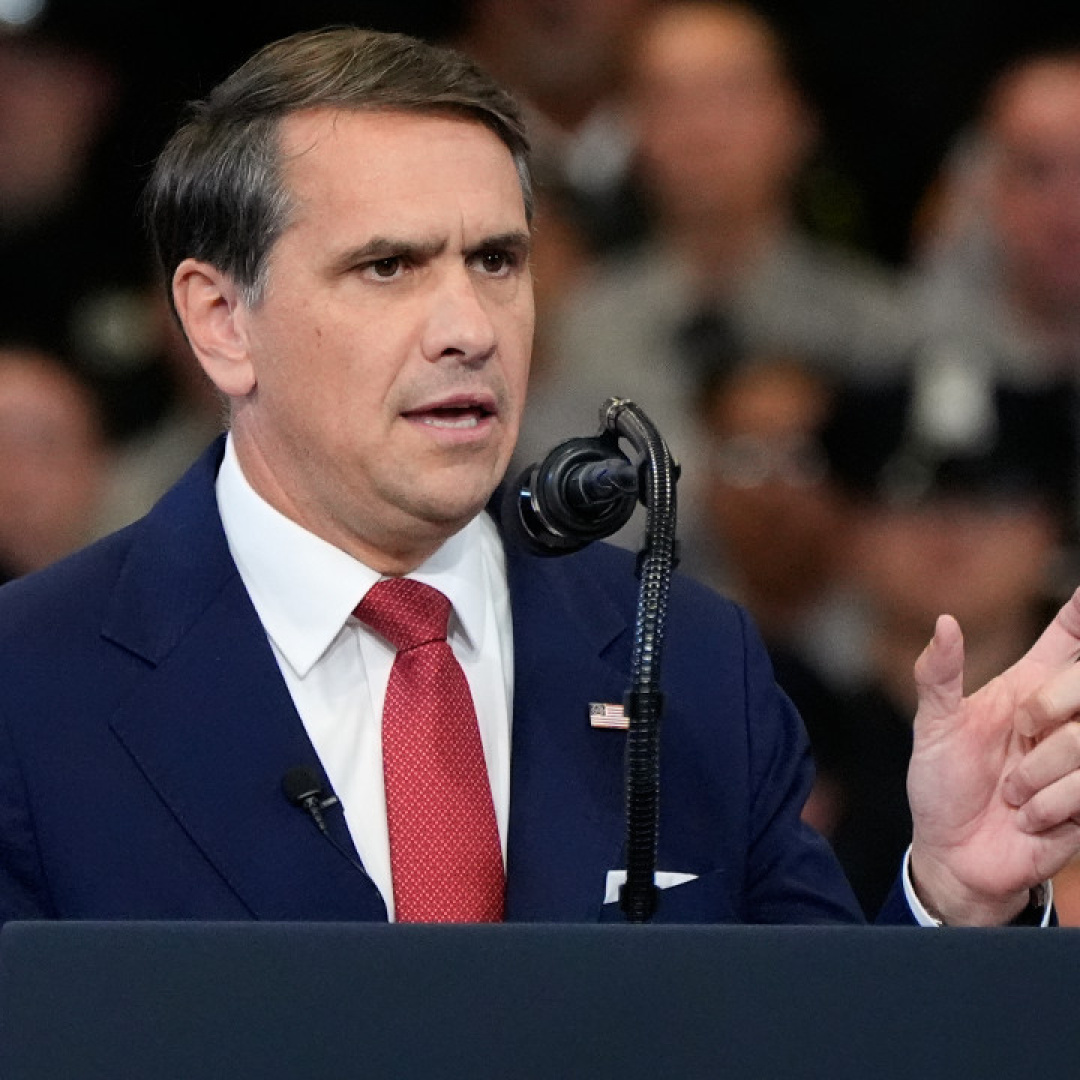
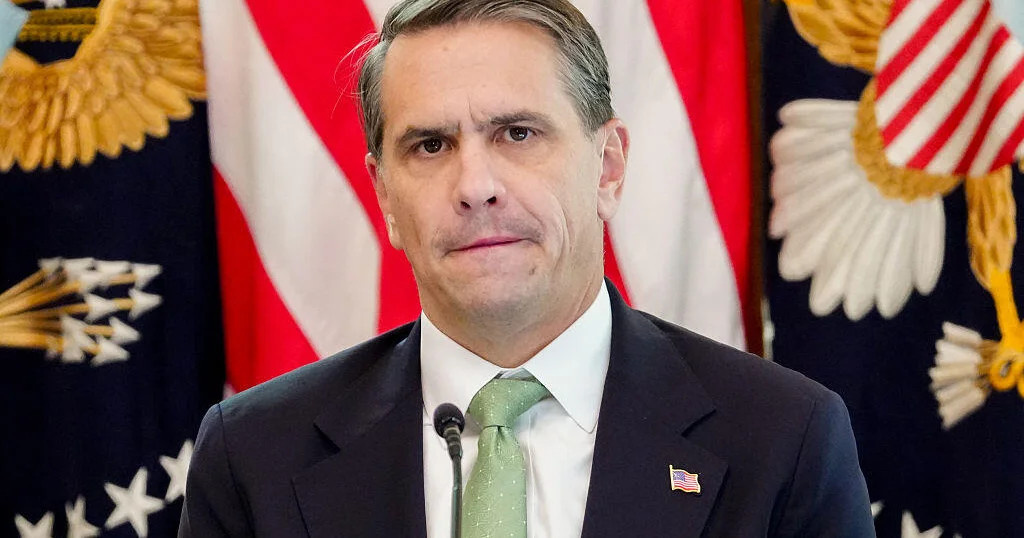
Former DOJ officials argue that Attorney General Todd Blanche's approach has entered uncharted waters, potentially influencing political outcomes as voters prepare to cast their ballots. Gregory Brower, a former U.S. attorney for Nevada, emphasized that discretion should guide such actions, particularly within 60 days of an election. He noted, "If you don't absolutely need to do something within 60 days of the election, the better practice was, for good reason, just don't do it. If the evidence is there, it's going to be there after the election."
Explore on Amazon
Amazon shopping links. As an Amazon Associate I earn from qualifying purchases.
In response to the criticism, a DOJ spokesperson stated, "This Department is following the facts and the law, not anyone's political timetable." However, the timing of investigations into Omar, Lucas, and former FBI officials has been interpreted by some as politically motivated.
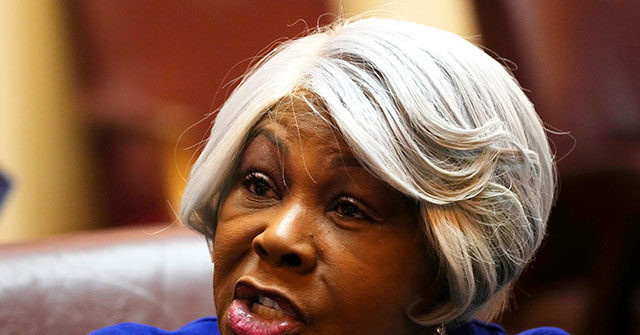
Omar, a vocal opponent of former President Trump, is seeking reelection in her solidly Democratic Minnesota district. Lucas, who was charged in connection with her cannabis business, is a prominent figure in Virginia politics, and her daughter is also facing charges related to the case.
The indictment of former FBI officials Nikki Floris and Bradley Benavides for allegedly lying to Congress about the Hunter Biden investigation further complicates the narrative. Prosecutors sought to add new charges to this case, but a magistrate judge dismissed them, highlighting the contentious nature of these investigations.
This week, an FBI agent revealed that the investigation into the former officials was initiated at the direction of FBI Director Kash Patel, shortly after Trump called for inquiries into former counterintelligence officials. Additionally, the DOJ has pursued charges against former FBI Director James Comey, raising questions about the motivations behind these actions.
Recent Actions and Election Integrity Concerns
The DOJ's recent activities have also included attempts to block certification of Alaska's Senate race and publicizing arrests of noncitizens accused of voting illegally, despite many charges being minor offenses. David Becker, a former DOJ official, expressed concern that these actions could be perceived as attempts to interfere with the election, stating that they could have been postponed until after the election.
Historically, the DOJ has adhered to an unwritten norm of refraining from investigative actions that could influence elections within 60 days of voting. This principle was underscored in a 2018 inspector general report that criticized Comey for his handling of the Clinton email investigation during the 2016 election cycle.
While the DOJ maintains that its actions do not violate internal guidelines, the perception of impropriety remains. The department's credibility relies heavily on public trust, and any appearance of political bias can undermine that trust.
Former prosecutors warn that the timing of these actions could backfire, potentially affecting jury perceptions and the legitimacy of the cases. Brower noted that the DOJ's actions might inadvertently bolster the candidates involved rather than harm them, as voters may blame the department rather than the individuals charged.
What Went Wrong
The DOJ's leadership has downplayed concerns about the timing of these investigations, asserting that they are not politically motivated. However, the lack of a memo from Blanche outlining election-related sensitivities and the departure from traditional practices raises questions about the department's current approach.
As the midterm elections approach, the implications of these high-profile investigations remain uncertain. The DOJ's actions not only affect the individuals involved but also carry broader consequences for public trust in the electoral process and the integrity of the Justice Department.