Allegations of Vote-Buying with Fuel Cards in Negev Elections
Photos circulated online over the past 24 hours showing hundreds of fuel cards inside a vehicle and used cards scattered at gas stations across the Negev have raised suspicions that financial incentives were offered to members of the Bedouin community in exchange for voting in the Knesset elections.
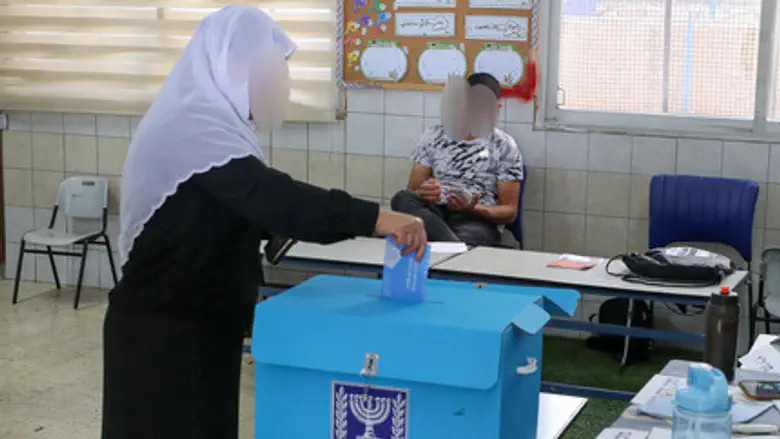
The images emerged following a sharp increase in voter turnout among Arab Israelis in Tuesday's elections, prompting online speculation that fuel cards had been distributed to residents of Bedouin communities in the Negev to encourage them to vote for Arab parties.
Explore on Amazon
Amazon shopping links. As an Amazon Associate I earn from qualifying purchases.
A Bedouin source from the Negev familiar with developments on the ground described to Ynet the method employed by activists affiliated with Arab parties, particularly Ra'am (United Arab List), in the days leading up to elections.
According to the source, activists visit the homes of low-income residents and offer them financial assistance ranging from NIS 200 to NIS 300. Recipients include families whose homes have been demolished and residents of unrecognized villages in the Negev.
The source alleged that the money is presented to residents as assistance for those in need, but that recipients are also asked to vote for the party at the ballot box. In other cases, he said, fuel vouchers worth NIS 100 are distributed to residents who transport voters to polling stations.
Variations in Assistance and Perceptions
The source added that the amounts may vary depending on family size and that distribution takes place one or two days before the elections, and sometimes even on Election Day itself. He also said that some residents do not regard the distribution of money as election bribery, but rather as financial assistance to families facing severe economic hardship and a lack of basic services.
"I don't understand what all the fuss is about. We learned it from Shas, which has been doing this for years and even distributes money in synagogues. So what's all the fuss about now? Just because we're Arabs? Because we swarmed to the polls and became a powerful political force?" the source said.
How The Scheme Worked
Meanwhile, police are examining the footage of the fuel cards that circulated online. At this stage, no connection has been established between the cards and two other ongoing investigations into suspected election-related offenses. One investigation, conducted by the Israel Security Agency (Shin Bet), concerns suspected foreign interference in elections within the Arab community, amid allegations of possible involvement by Qatari actors.
In a separate police investigation into suspected election bribery in the Negev, seven suspects were arrested, including three school principals from Tel Sheva and Segev Shalom. Some of the suspects were later released to house arrest. The suspects are currently accused of offenses including conspiracy to commit a felony, giving or offering election bribes, unlawfully introducing or distributing ballot papers, and interfering with the orderly conduct of elections.