Allegations of Cash Payments to Joint List MK Raise Bribery Concerns
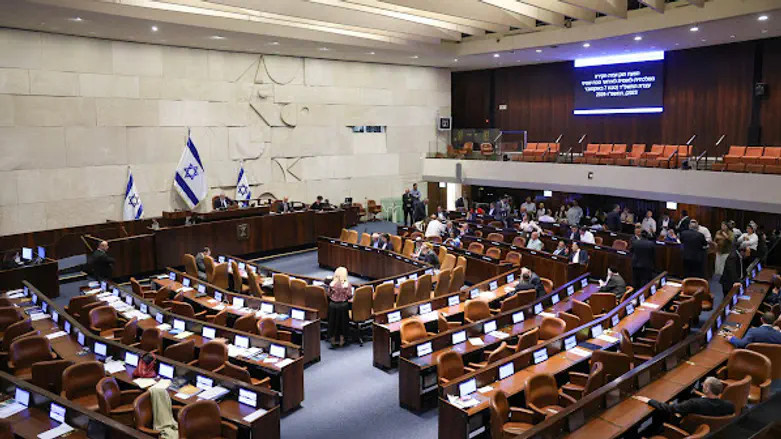
A Knesset member from the Joint List has reportedly received hundreds of thousands of shekels in cash, raising suspicions of bribery and money laundering, according to an i24NEWS report. This situation has sparked significant concern, particularly in the context of recent elections in Israel.
At this point, investigators have not found any evidence suggesting that the cash was used to buy votes in the elections for the 26th Knesset, nor is there any indication that the funds originated from Qatar. However, the case has ignited discussions about the integrity of the electoral process and the potential for foreign influence.
Explore on Amazon
Amazon shopping links. As an Amazon Associate I earn from qualifying purchases.
Disagreements have emerged within the Israel Security Agency (Shin Bet) regarding the seriousness of the allegations. The head of Shin Bet and other senior officials hold differing views on the implications of the findings, which adds a layer of complexity to the investigation. As the official election results are anticipated to be published soon, the ongoing inquiry is expected to take considerable time, and the findings thus far are not likely to impact the election outcomes.
The report comes amid two separate investigations into allegations of improper influence during the recent elections. One investigation focuses on claims of election bribery within the Bedouin community in the Negev, where activists associated with the Ra'am Party are alleged to have distributed fuel cards and other benefits to sway voters. The second investigation is probing suspected foreign interference in the election campaign, which has drawn the attention of Shin Bet.
Last Thursday, Central Elections Committee Chairman Justice Noam Sohlberg reached out to Shin Bet Director David Zini, following intelligence that suggested foreign funding might have been used to improperly influence the elections. Initially, reports indicated that money may have been transferred from Qatar to individuals working to boost voter turnout in the Arab community. However, subsequent updates revealed that Shin Bet is also looking into the possible involvement of other countries, with the Mossad assisting in the investigation regarding foreign state activities.
Clarifying the Role of Foreign Influence
The Shin Bet has clarified that the intelligence prompting this investigation was gathered through its own efforts to identify foreign interference and did not stem from any political party or figure. The agency emphasized that the investigation is focused and should not be interpreted as casting suspicion on the Arab community as a whole.
Meanwhile, Qatar has denied any involvement in the Israeli elections, further complicating the narrative surrounding these allegations. The unfolding situation highlights the intricate interplay between domestic politics and potential foreign influence, raising questions about the integrity of the electoral process and the mechanisms of accountability within the political system.
The Unraveling
As the investigation progresses, the implications for the political landscape in Israel could be significant. The allegations of bribery and foreign interference not only threaten to undermine public trust in the electoral process but also highlight the vulnerabilities within the system that can be exploited for political gain. The ongoing scrutiny and the differing opinions within the Shin Bet regarding the severity of the situation underscore the complexities involved in addressing such sensitive issues in a politically charged environment.
With the official election results on the horizon, the outcome of the investigations may have lasting repercussions for the involved parties and the broader political climate. As more information comes to light, the potential for accountability and transparency in the electoral process remains a pressing concern. The allegations serve as a reminder of the importance of vigilance in safeguarding democratic institutions against manipulation and corruption.