Chargesheet Filed in Ayodhya Ram Temple Donation Embezzlement Case
In a significant legal development, the Uttar Pradesh government reported to the Supreme Court that a chargesheet has been filed concerning the alleged embezzlement of donations intended for the Shri Ram Janmabhoomi temple in Ayodhya. This case has drawn considerable public interest due to the nature of the allegations, which involve the misappropriation of funds during the donation counting process at the temple.
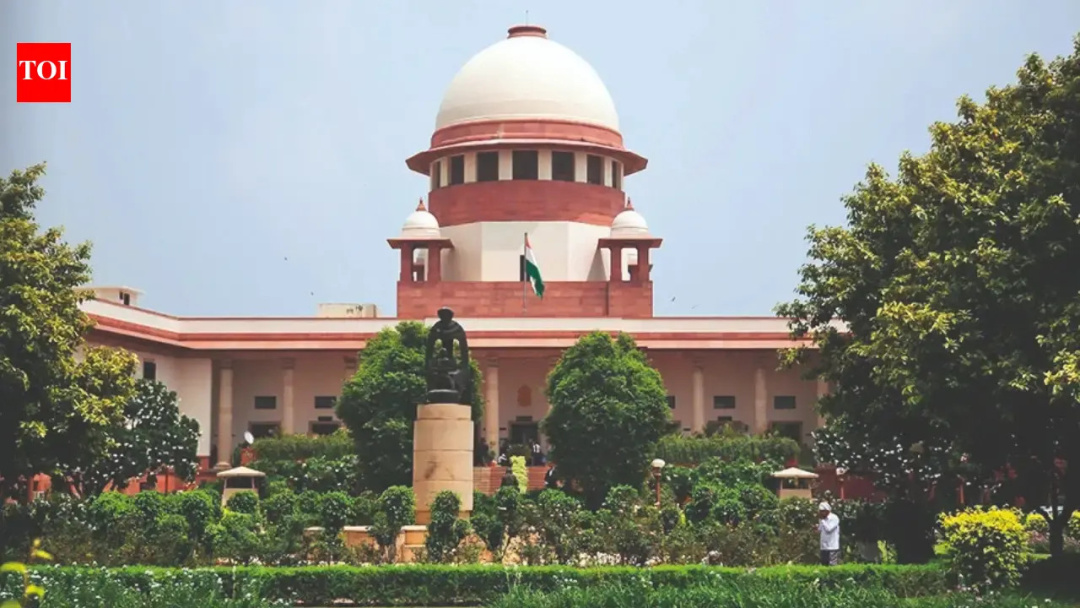
The Supreme Court, led by Chief Justice of India Surya Kant, has permitted the petitioners, who are concerned citizens, to assist the local magistrate during the trial. This decision underscores the court's recognition of the public interest surrounding the alleged theft of temple donations. The court clarified that its ruling does not imply any opinion on the merits of the allegations, maintaining a neutral stance as the case progresses.
Explore on Amazon
Amazon shopping links. As an Amazon Associate I earn from qualifying purchases.
According to Solicitor General Tushar Mehta, representing the Uttar Pradesh government, the alleged embezzlement occurred when certain officials involved in counting the donations purportedly diverted funds for personal gain. These officials are accused of either investing the money elsewhere or depositing it into private bank accounts, raising serious concerns about the integrity of the temple's financial management.
As the case moves forward, the local magistrate will examine the evidence and allegations in accordance with the law. The Supreme Court's decision to allow petitioners to participate in the proceedings is a notable aspect of this case, as it mirrors the rights typically granted to victims in criminal trials. This involvement may provide a layer of transparency and accountability in a situation that has captured the attention of the public and media alike.
Implications for Religious Donation Oversight
The proceedings will now continue under the jurisdiction of the local magistrate, who is tasked with thoroughly investigating the claims made in the chargesheet. The outcome of this case could have significant implications for the management of donations at religious sites and the broader issue of financial accountability in such institutions.
Public Interest and Legal Proceedings
The Supreme Court's involvement highlights the importance of judicial oversight in cases involving large sums of money and public trust. As the trial unfolds, the court will navigate the complexities of the allegations while ensuring that the rights of all parties involved are respected. The decision to allow the petitioners to assist in the trial reflects a commitment to transparency and accountability, particularly in matters concerning religious institutions that hold significant cultural and spiritual value.
As this case progresses, it remains to be seen how the legal system will address the allegations and what consequences may arise for those implicated in the alleged embezzlement. The public's keen interest in the proceedings underscores the broader societal implications of financial misconduct in revered institutions. The court's careful handling of the case will be crucial in maintaining trust in the judicial process and the integrity of religious organizations.