Charity Fraud Investigation Uncovers Alleged Misconduct by Vasiliki Manisioti
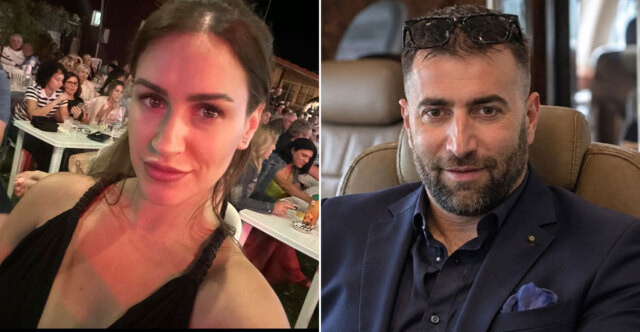
Vasiliki Manisioti, the partner of Konstantinos Firinidis, has been arrested as part of a sweeping investigation into a charity fraud case that has captured public attention in Greece. Firinidis is identified by police as a central figure in an alleged multimillion-euro scam involving the non-profit organization Paidiki Chara, or Child’s Happiness, which solicited donations for seriously ill children.
Manisioti, 35, is accused of being deeply involved in promoting fundraising campaigns and managing several businesses that investigators believe may have been used to divert charitable funds for personal gain. The police case file suggests that donations intended for children facing severe medical conditions were instead funneled into personal bank accounts, financing a lavish lifestyle that Firinidis often showcased on social media.
Explore on Amazon
Amazon shopping links. As an Amazon Associate I earn from qualifying purchases.
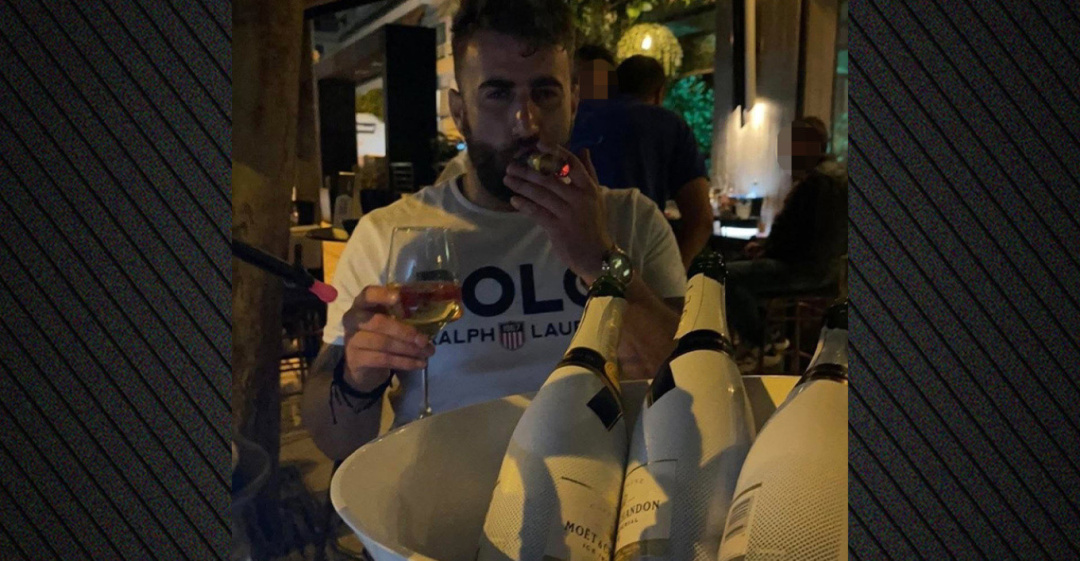
The investigation reveals that Firinidis, 36, frequently posted images of luxury holidays, fine dining, and exclusive events on Instagram, painting a stark contrast to the charity's mission. His online presence included trips to high-profile football matches and luxury resorts, which investigators are now scrutinizing in light of banking records and the financial activities of the charity.
According to the police, Manisioti played a key role in the charity's fundraising strategy, utilizing social media platforms like Facebook and Instagram to share emotional appeals that often featured photographs of sick children and detailed accounts of their medical needs. However, investigators have identified discrepancies in the fundraising campaigns, including multiple appeals for the same child using different photographs and personal details, raising further suspicions about the legitimacy of the charity's operations.
The timeline of events is particularly noteworthy. Manisioti officially left the organization on February 1, 2025, but police are investigating whether this departure was part of a broader strategy to distance those involved in the charity from subsequent financial activities. Furthermore, the couple's divorce, which occurred just days before the establishment of two new companies in which Manisioti and her brother became shareholders, is under scrutiny. Authorities suspect the divorce was a sham, intended to obscure the connections between the charity's leadership and the newly formed businesses.
Connections to Newly Formed Companies
The two companies, MVP MEDIA GROUP E.E. and ELPIS HEALTH CARE MEDICAL COORDINATION E.E., were registered in Thessaloniki and are believed to have been used to legitimize funds obtained through the alleged fraud. Manisioti holds a 99% stake in both companies, with her brother owning the remaining share. Investigators have uncovered numerous fictitious invoices linked to these businesses, suggesting that they were utilized to disguise illicit financial transactions as legitimate business dealings.
The financial investigation, supported by Greece’s Anti-Money Laundering Authority, examined 29 bank accounts and over 246,000 transactions, revealing that more than €5.8 million was credited to accounts associated with Firinidis and the charity from 2018 to 2026. Alarmingly, it appears that a significant portion of the donations intended for sick children was redirected into personal accounts, with investigators noting extravagant expenditures on luxury accommodations and high-end goods.
The case has raised serious questions about the integrity of charitable organizations in Greece, highlighting the need for greater scrutiny and accountability in fundraising practices. As the investigation unfolds, authorities are working to determine the extent of the financial misconduct and the roles played by each suspect in the alleged scheme.
The Scope of the Investigation
With the investigation ongoing, police are focused on clarifying how much of the money raised by the charity reached its intended beneficiaries and how much was allegedly misappropriated. The contrasting lifestyles of those involved in the charity and the stated mission of the organization have drawn public scrutiny, prompting calls for transparency in charitable fundraising. The allegations against Firinidis, Manisioti, and others remain unproven in court, and the investigation continues to reveal new dimensions of this complex case.
As the story develops, the implications for the charity sector in Greece could be profound, potentially leading to reforms aimed at preventing similar frauds in the future. The scrutiny of social media fundraising tactics and the financial practices of charitable organizations may become a focal point in the ongoing dialogue about ethics and accountability in philanthropy.