Subhash Chandra Faces Money Laundering Charges in LICHFL Loan Fraud
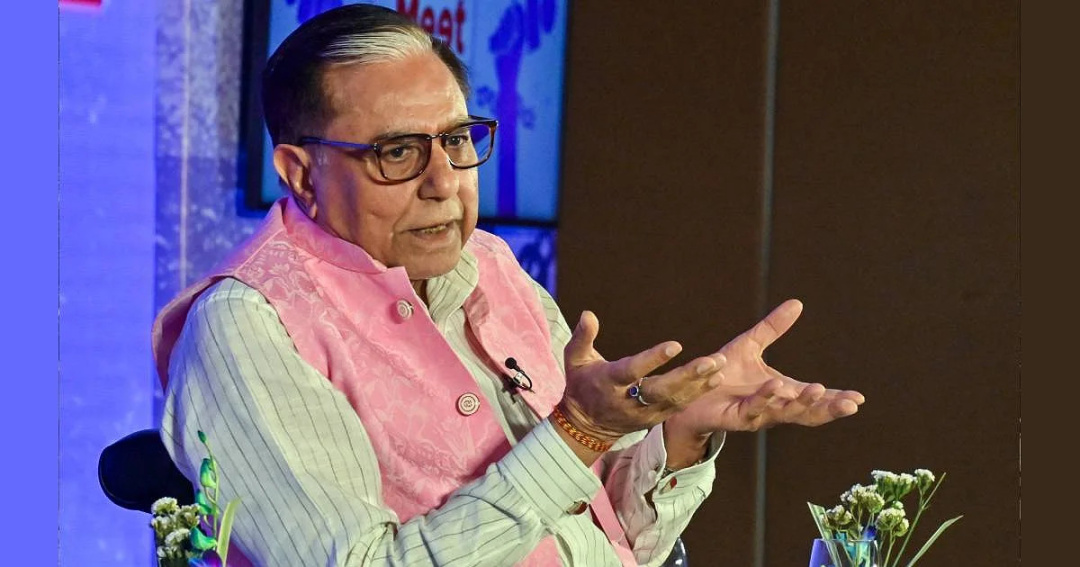
The Enforcement Directorate (ED) has launched a money laundering investigation against Subhash Chandra, a prominent media mogul, in connection with an alleged loan fraud that has reportedly caused a staggering loss of Rs 1,322 crore to Life Insurance Corporation Housing Finance Limited (LICHFL). The allegations suggest that Chandra inflated his net worth in order to secure loans from LICHFL, which he subsequently defaulted on.
According to officials, the case was filed under the Prevention of Money Laundering Act (PMLA), following a First Information Report (FIR) from the Central Bureau of Investigation (CBI). The ED's action indicates a serious escalation in the scrutiny of Chandra's financial dealings, which have raised eyebrows in the corporate world.
Explore on Amazon
Amazon shopping links. As an Amazon Associate I earn from qualifying purchases.
In a statement, a spokesperson for Zee Entertainment Enterprises Ltd, which Chandra founded, clarified that the ED's case pertains to Chandra in his personal capacity and does not impact the company or its operations. The spokesperson emphasized that the matters involved are related solely to Dr. Subhash Chandra and his associated entities.
The origins of the investigation trace back to a complaint filed by LICHFL with the CBI, which alleged that Chandra submitted inflated net-worth certificates to obtain loans amounting to Rs 980 crore. The complaint, which is part of the CBI FIR, claims that the default on these loans has led to the substantial financial loss.
The loans in question include a Rs 500 crore facility sanctioned for business expansion and a Rs 480 crore digital facility secured under a rental-discounting scheme. Both loans were backed by guarantees executed by Chandra himself. LICHFL's complaint asserts that the net-worth certification used to secure these loans was misleading, with Chandra's reported net worth inflated to approximately Rs 59,000 crore.
However, during subsequent proceedings under the Insolvency and Bankruptcy Code, Chandra reportedly denied the inflated net worth stated in the certificates. He claimed that his actual net worth was significantly lower, pegging it at Rs 31.79 crore in 2024 and no more than Rs 40,000 crore in the fiscal year 2017-18.
The allegations against Chandra not only highlight potential financial misconduct but also raise questions about the integrity of the documentation used in securing substantial loans from financial institutions. As the investigation unfolds, it remains to be seen how this case will impact Chandra's business empire and the broader implications for corporate governance in India.
The Financial Fallout
The ramifications of this case extend beyond Chandra's personal finances, as it poses significant challenges for LICHFL and its stakeholders. The lender has been active in seeking recovery from Chandra's personal estate, which is currently embroiled in legal disputes. Recently, LICHFL approached the National Company Law Appellate Tribunal (NCLAT) to contest a repayment plan that would allow creditors to recover only a fraction of their claims against Chandra's estate.
As the legal proceedings continue, the ED's investigation may reveal further insights into the mechanisms of financial deception employed in this case. The unfolding narrative not only underscores the vulnerabilities in the lending processes but also the potential consequences for individuals and institutions involved in financial misrepresentation.
The Unraveling
With the ED's case now in motion, the focus will shift to the evidence presented and the legal strategies employed by both sides. As Chandra prepares to defend himself against these serious allegations, the outcome of this investigation could set precedents for how similar cases are handled in the future. The financial world watches closely, anticipating the repercussions of this high-profile case and the potential for significant changes in regulatory oversight in the financial sector.