A recent study highlights that nearly half of LGBTQ+ individuals aged 13 to 19 in the UK have faced online blackmail, often involving threats of being outed. The NSPCC, in collaboration with the University of Birmingham and Nottingham Trent University, conducted this research to…
As ransomware threats escalate, South Africans are warned to remain vigilant against cybercriminals exploiting phishing scams and identity theft. With the country accounting for a…
Lloyds Banking Group has reported a significant 24% increase in romance scam incidents over the past year, with a notable rise in victims aged 18 to 34. While younger adults are m…
Generative AI is transforming the landscape of identity theft, enabling criminals to create synthetic identities that can deceive banks and government agencies. This article explo…
Gaby's two-year ordeal with a LinkedIn romance scam led her to send nearly $1 million to a scammer posing as a man named Brian Haugen. The scammer built trust over time, returning…
OpenAI has reported the banning of accounts associated with romance scams, Chinese law enforcement, and influence operations, including a smear campaign against Japan's first woma…
Australia's government is advancing a bill to prohibit AI chatbots from simulating emotional intimacy with children, aiming to protect young users from emotional dependence on dig…
In a stunning twist of irony, Meta has declared itself a paragon of political neutrality, expertly managing the fine line between bias and algorithmic mishap. Meanwhile, Brazil’s…
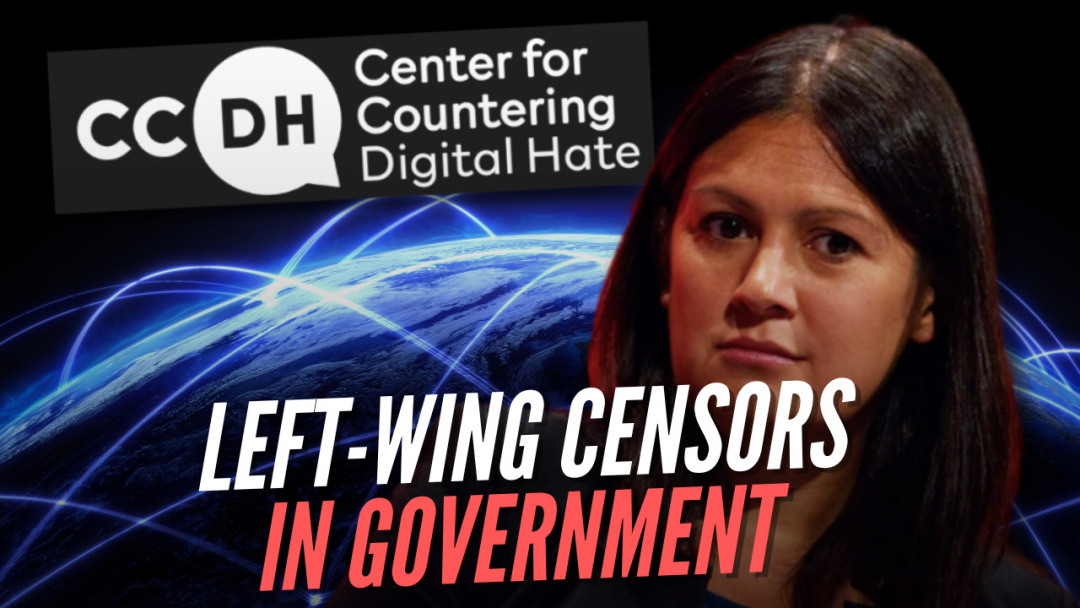
The UK government has consulted with the Centre for Countering Digital Hate, a Labour-affiliated organization, regarding the Online Safety Act. This partnership raises concerns ab…

 BagColor.Black